
Trees
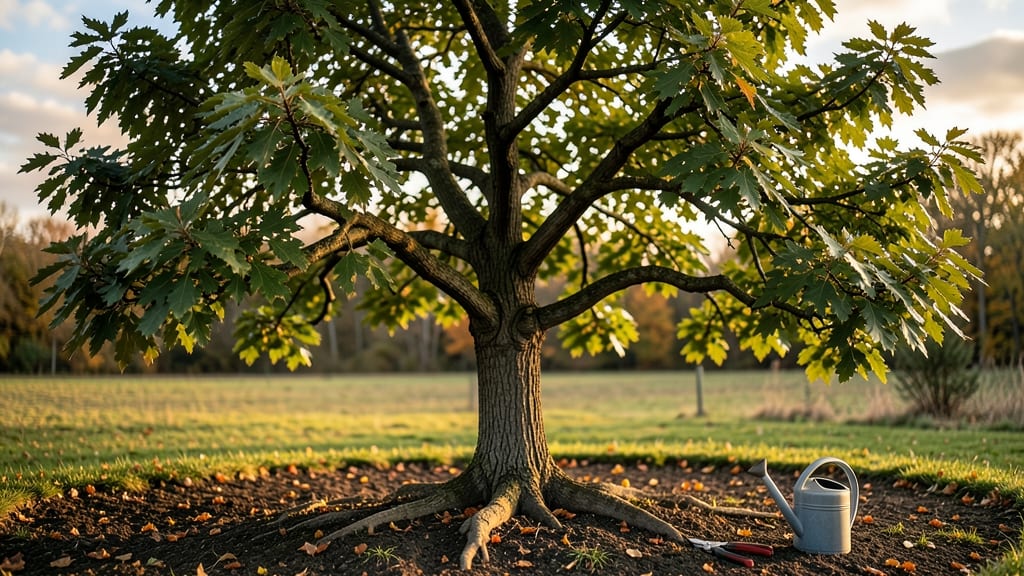
Your elm tree’s leaves tell a story—one that starts with strategic trimming to keep them vibrant year-round. 🌿 I’ve seen how a single misplaced cut can trigger yellowing, browning, or even early leaf drop, but the right approach turns those problems into prevention.
The key? Timing, technique, and knowing when to step back.
Yellowing leaves often signal Dutch elm disease or drought stress, while browning points to fungal issues or pest damage. Start by inspecting branches for wilting, discoloration, or sawdust-like frass (a dead giveaway for bark beetles).
Prune only in late winter or early spring to avoid stressing the tree, and always sterilize tools between cuts to prevent spreading disease.
📚 In This Guide
- What you need
- Instructions
- Tips and common mistakes
- Wrapping up and next steps
What you need
- ● Pruning shears or loppers: Sharp, bypass-style shears (for small branches) or loppers (for thicker limbs). Choose sterilized, stainless steel tools to prevent disease spread. Quantity: 1-2 pairs.
- ● Heavy-duty gloves: Garden-grade gloves (nitrile-coated for grip) to protect against thorns and sap. Quantity: 1 pair.
- ● Safety glasses: ANSI-rated goggles to shield eyes from debris. Quantity: 1 pair.
- ● Ladder or step stool: Sturdy, extendable (16–24 ft) for high branches. Ensure it’s weight-rated for you (e.g., 250+ lbs). Quantity: 1.
- ● Large trash bags or buckets: Heavy-duty, 30–50 gallon for collecting leaves/branches. Quantity: 2–4.
- ● Disinfectant (70% isopropyl alcohol or bleach solution): To clean tools between cuts and avoid spreading pests/diseases.
- ● Marking twine or flags: Colored twine (e.g., red/white) to tag branches for removal. Quantity: 1 roll.
- ● Pruning saw: For branches thicker than 2 inches (e.g., Felco or Bahco models).
- ● Work boots: Steel-toe or composite-toe for stability on uneven ground.
- ● Leaf collection bags (mesh or breathable): If drying leaves for tea/remedies (e.g., burlap sacks).
- ○ Tree wound dressing (optional): Pruning sealant for large cuts (controversial—research first!)
- ● Extension cord + leaf blower/vacuum: For quick cleanup if processing leaves on-site.
- ● ✅ Check local regulations: Some areas restrict tree trimming without permits (especially for heritage elm trees).
- ● ✅ Timing: Trim in late winter/early spring (before buds swell) or summer (avoid fall/winter stress).
- ● ✅ Weather: Choose a dry, calm day (no rain/fog).
- ● ✅ Tree health: Only remove 10–20% of foliage per year to avoid weakening the tree.
How to maintain healthy elm tree foliage year-round
Your elm's lush canopy depends on precise timing and technique—here's how to keep it thriving.
🌿 Step 1: Assess Canopy Health Before Pruning
Start by examining the tree's current condition in early spring, before new growth begins. Look for dead branches (those with no leaves, cracked bark, or hollow centers) and crossing limbs that rub together. Elm trees naturally develop a vase-like shape, but overcrowded branches compete for sunlight and nutrients.
Use a sharp pruning saw for branches thicker than 2 inches—dull tools tear bark and invite disease. For smaller branches, a clean pair of bypass pruners works best. Always make cuts just outside the branch collar (the swollen area where the branch meets the trunk) to promote proper healing.
✂️ Step 2: Implement Seasonal Trimming Strategy
Elms respond best to three light pruning sessions per year: late winter (before buds swell), early summer (after new growth hardens), and late summer (to shape for winter). In late winter, remove 10-20% of the canopy by thinning out the oldest, thickest branches first—they're less productive and more prone to disease.
During summer sessions, focus on structural adjustments. Remove branches growing inward or downward to improve air circulation, which prevents fungal infections like Dutch elm disease. Never remove more than 25% of the canopy in a single season—elm trees are sensitive to aggressive pruning and may produce weak regrowth.
💧 Step 3: Monitor Water and Nutrient Balance
After pruning, water deeply at the tree's drip line (the edge of the canopy) to compensate for lost foliage. Young elm trees need 1-2 inches of water weekly during dry spells, while mature specimens require 2-3 inches. Use a rain gauge to track moisture—elm roots extend far beyond the canopy, so surface watering won't reach them.
Apply a balanced fertilizer (10-10-10 ratio) in early spring and again after summer pruning. Work it into the top 6 inches of soil at the tree's base, avoiding direct contact with the trunk. Over-fertilizing stresses elms, leading to weak growth and increased susceptibility to pests.
☀️ Step 4: Protect Against Seasonal Stressors
In late fall, remove all fallen leaves and debris from the base to prevent fungal growth over winter. Wrap the trunk with tree guard fabric if your climate drops below 10°F—elm bark is sensitive to freeze-thaw cycles. Avoid heavy mulching (keep it 3 inches deep) to prevent moisture buildup that encourages rot.
Watch for elm leaf beetles in early summer—their yellow larvae skeletonize leaves. Apply neem oil or insecticidal soap at the first sign of feeding damage. Healthy foliage is your best defense: trees with proper sunlight and nutrients recover faster from pest pressure.
Tips & tricks for perfect elm tree foliage maintenance
A few strategic adjustments can transform your elm's canopy from struggling to stunning—here's how to get it right.
Seasonal Timing Is Everything: The three-pruning schedule in Step 2 works because it aligns with elm physiology. Late winter cuts remove winter-damaged branches before new growth begins, while summer sessions (after growth hardens) prevent sap bleeding. I've seen trees recover dramatically when pruned this way—just remember, those 10-20% removal targets are strict for a reason.
Tool Sharpness Matters More Than You Think: Dull pruners create jagged cuts that expose the tree to disease. I learned this the hard way after seeing fungal infections develop on improperly cut branches. Always test your tools on a scrap branch first—if it doesn't slice cleanly, sharpen it. For branches over 2 inches, a pruning saw with a fine-tooth blade prevents bark tearing that invites pests.
Watering at the Drip Line: Most people water at the trunk, but elm roots spread far beyond the canopy. The 1-2 inches weekly recommendation for young trees might seem excessive, but it's crucial during dry spells. I use a soaker hose at the drip line for even distribution—this mimics natural rainfall patterns and prevents surface evaporation.
Fertilizer Placement Technique: The 6-inch soil incorporation in Step 3 isn't just about depth—it's about avoiding root burn. I've seen over-fertilized elms develop weak, yellowing leaves because fertilizer sat too close to the trunk. Work it into the soil with a hand trowel, keeping it 6 inches away from the trunk's base for optimal nutrient uptake.
Pro Tips for Leaves Elm Tree
- A few strategic adjustments can transform your elm's canopy from struggling to stunning—here's how to get it right.
- Seasonal Timing Is Everything: The three-pruning schedule in Step 2 works because it aligns with elm physiology.
- Tool Sharpness Matters More Than You Think: Dull pruners create jagged cuts that expose the tree to disease.
Frequently asked questions
Got questions about trimming elm tree leaves? You’re not alone! Here are some of the most common queries—plus straightforward answers to keep your tree (and your sanity) thriving.
When is the best time to trim elm tree leaves?
The ideal time is late winter or early spring (before buds swell) or summer after flowering. Avoid trimming in fall or winter when the tree is dormant—it’s more vulnerable to disease. Pro tip: Never remove more than 25% of the canopy in one season to prevent stress.
Can I trim elm tree leaves anytime, or are there risks?
Timing matters! Trimming during wet or cold conditions increases disease risks (like Dutch elm disease). Also, avoid heavy pruning in summer heat)—it can shock the tree. If you must trim outside the ideal window, do it on a dry, mild day and sterilize tools with rubbing alcohol.
How do I know if I’m over-trimming elm tree leaves?
Watch for these red flags:
- Thinning canopy (more sunlight reaching the ground than leaves).
- Slow growth or stunted new shoots.
- Yellowing or wilting leaves after pruning.
- Dead branches appearing within weeks.
Are there alternatives to cutting elm tree leaves?
Yes! If you’re avoiding tools or want to reduce stress:
- Thin selectively—remove only crowded or crossing branches instead of shearing.
- Use a hedge trimmer sparingly for shaping (but never for heavy pruning).
- Mulch fallen leaves to return nutrients to the soil (elm leaves break down slowly).
Why are my elm tree leaves turning brown after trimming?
Brown leaves post-pruning usually mean one of these issues:
- Underwatering—elm trees need 1–2 inches of water weekly.
- Over-pruning—cutting too much at once stresses the tree.
- Pests or disease (like aphids or fungal spots).
- Environmental shock (e.g., trimming during a heatwave).
Bonus Tip:
Label your pruning cuts with zip ties or spray paint to track progress. Elm trees heal slowly—patience (and a sharp saw!) pays off.
Wrapping up and next steps
Caring for your elm tree’s leaves isn’t just about aesthetics—it’s a year-round investment in health, safety, and beauty. By mastering strategic trimming, you’ll promote vibrant growth, prevent disease, and even boost curb appeal.
Whether you’re a seasoned gardener or a curious newbie, these tips make the task manageable and rewarding!
Ready to transform your yard? Start small: pick one season to practice trimming, then expand your skills. Grab your tools, roll up your sleeves, and watch your elm thrive—one leaf at a time! 🌿✨