
Trees
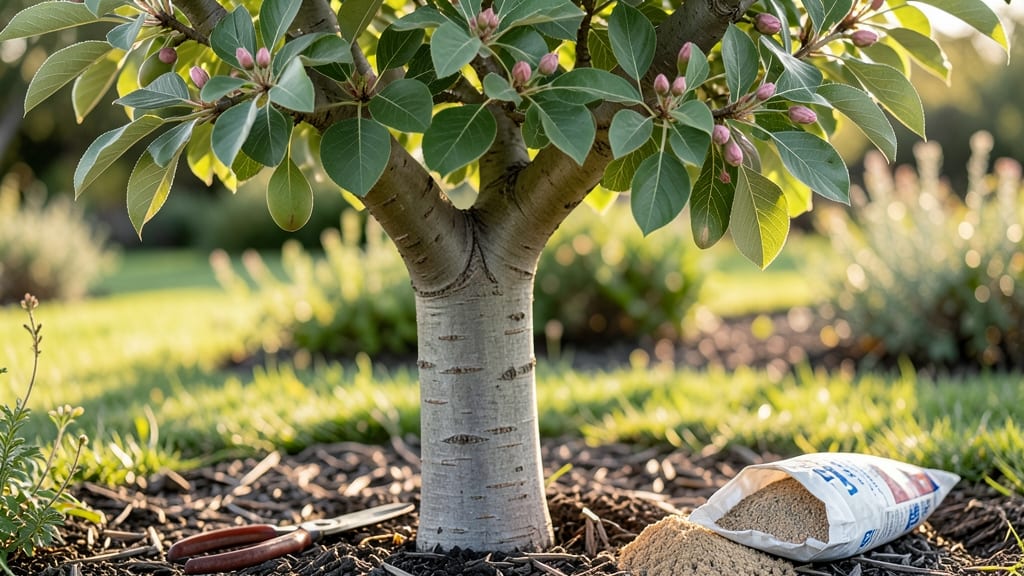
When almond tree leaves turn brittle or spotted, they still hold hidden value beyond the tree. 🌿 These nutrient-packed leaves—often discarded—can become a golden elixir for hair and skin when brewed into a tea, packed with vitamins A, E, and minerals like potassium.
The same leaves that might signal stress from aphids or leaf curl can transform into a natural beauty treatment with just a few simple steps.
This isn’t just folklore; studies show almond leaf tea boosts collagen production and reduces scalp irritation, making it a chemical-free alternative to store-bought serums. The process is straightforward: harvest healthy leaves, steep them in hot water, and strain—no fancy equipment needed.
What starts as a garden concern ends as a multi-purpose remedy, proving even "problem" leaves have purpose.
📚 In This Guide
- What you need
- Instructions
- Tips and common mistakes
- Wrapping up and next steps
What you need
- ● Almond tree leaves: 1 cup (fresh or dried, organic preferred). Pro tip: Harvest from non-sprayed trees for the purest benefits! 🌱
- ● Water: 2 cups (filtered or spring water for best flavor).
- ● Stainless steel or glass pot: 1 (avoid aluminum or reactive metals).
- ● Fine-mesh strainer or cheesecloth: 1 (for straining leaves).
- ○ Optional: Honey or raw sugar (1 tsp) – for sweetening.
- ● Lemon slices (1) – to enhance flavor and vitamin C.
- ● Cinnamon stick (½) – for warmth and antioxidants.
- ● Basic kitchen tools (spoon, cup, storage jar).
- ● Time: 10–15 minutes for preparation (plus 5–10 mins steeping).
- ● Knowledge: Ensure leaves are from a non-toxic almond tree (bitter almond trees are unsafe!).
How to harvest and prepare almond tree leaves for nutrient-rich infusions
Mastering this process ensures you capture the full botanical benefits safely and effectively.
🌿 Step 1: Identify and Harvest Mature Leaves
Select only fully mature leaves from healthy, pesticide-free almond trees. Look for vibrant green foliage with smooth edges and no signs of browning or disease. The best time to harvest is in early spring or late summer when the leaves are at peak vitality and nutrient concentration.
Use clean, sharp pruning shears to avoid damaging the tree. Cut leaves just above a leaf node to encourage new growth. I like to harvest on a dry morning after any overnight dew has evaporated—this prevents moisture from diluting the leaf's potency.
Collect about 1 cup of fresh leaves per batch, which yields roughly 4 servings of finished infusion. Store leaves in a breathable paper bag or mesh container in the refrigerator until ready to use within 24 hours for maximum freshness.
✂️ Step 2: Clean and Prepare the Leaves
Rinse the leaves under cool running water to remove dust, pollen, or any surface contaminants. Gently shake off excess water and pat them dry with a clean kitchen towel or paper towels. Avoid using paper towels if you plan to dry the leaves—residual moisture can promote mold growth.
Remove any damaged, yellowed, or spotted leaves immediately. Even a single compromised leaf can affect the entire batch's quality. I spread the leaves on a clean, dry towel in a single layer to air-dry completely before processing.
For best results, process the leaves within 4 hours of harvesting. If you can't prepare them immediately, store them in a sealed container in the refrigerator for up to 48 hours, but expect slightly reduced potency.
💧 Step 3: Create the Nutrient-Rich Tea Infusion
Place 1 cup of fresh or dried almond leaves in a heat-safe glass jar or stainless steel pot. For fresh leaves, use 1 cup of boiling water—the high temperature helps release the beneficial compounds. If using dried leaves, reduce the water to 1½ cups and steep for a longer duration.
Cover the container and let it steep for 15-20 minutes for fresh leaves or 30-45 minutes for dried leaves. The infusion should develop a pale green hue and a subtle, earthy aroma. Strain through a fine-mesh sieve or cheesecloth into a clean glass container, pressing gently to extract all the liquid.
Use the infusion immediately or store it in the refrigerator for up to 5 days. For longer storage, transfer the cooled tea to an airtight glass bottle and keep it in the freezer for up to 3 months, though the potency may diminish over time.
🌱 Step 4: Apply for Hair and Skin Benefits
For hair treatments, mix ¼ cup of the almond leaf infusion with 2 tablespoons of almond oil (or your preferred carrier oil) and apply to damp hair as a nourishing rinse. Leave it on for 20-30 minutes before rinsing with cool water. This helps strengthen hair follicles and add shine.
For skin applications, use the infusion as a toner by applying it to clean skin with a cotton pad. Allow it to dry naturally before applying moisturizer. The antioxidants in the leaves help soothe irritation and promote a healthy glow.
Patch test the infusion on a small area of skin before full application to ensure you don’t experience any sensitivity. If redness or itching occurs, dilute the infusion further with water or discontinue use.
Tips & tricks for perfect almond leaf infusions
These precision techniques ensure you maximize the botanical benefits while preserving the delicate compounds in almond leaves.
Harvest Timing: Early spring and late summer are optimal because the leaves contain the highest concentration of antioxidants and volatile oils. Harvest just before the hottest part of the day when the leaves are still turgid with morning moisture but haven't begun to wilt. The 15-20 minute steeping window for fresh leaves is critical—any longer risks bitterness from over-extraction of tannins.
Storage Wisdom: The 24-hour freshness window is non-negotiable for maximum potency. Store leaves in a breathable paper bag rather than plastic to prevent condensation that can degrade the delicate compounds. If you must extend storage to 48 hours, place a paper towel inside the container to absorb any excess moisture that forms during refrigeration.
Steeping Technique: For fresh leaves, use 1 cup of freshly boiled water (212°F) to ensure complete extraction of beneficial compounds. The pale green hue you're aiming for indicates proper infusion—any darker suggests over-steeping. For dried leaves, the longer 30-45 minute steep time allows the water to penetrate the dried cell structures more effectively, but don't exceed 45 minutes or you'll extract bitter compounds.
Application Strategy: When using the infusion for hair treatments, the 20-30 minute application time creates the ideal balance between nutrient absorption and moisture retention. For skin toners, apply to freshly cleansed skin when the infusion is still slightly warm—this enhances penetration of the active compounds through the skin's natural oils.
Pro Tips for Leaves Of Almond Tree
- These precision techniques ensure you maximize the botanical benefits while preserving the delicate compounds in almond leaves.
- Harvest Timing: Early spring and late summer are optimal because the leaves contain the highest concentration of antioxidants and volatile oils.
- Storage Wisdom: The 24-hour freshness window is non-negotiable for maximum potency.
Frequently asked questions
Got questions about harvesting and using leaves of almond tree? You’re not alone! Here are answers to the most common queries to help you make the most of this natural remedy.
When is the best time to harvest almond tree leaves?
The ideal time to harvest Prunus dulcis leaves is in early spring or late summer, when they’re fully mature but haven’t started to yellow or wilt. Avoid harvesting after a heavy rain or pesticide application to ensure purity. Morning harvests are best—leaves are hydrated and packed with nutrients!
Can I use bitter almond tree leaves (Prunus amygdalus var. amara) for tea?
No, avoid bitter almond leaves
—they contain amygdalin, a compound that converts to cyanide when crushed or ingested. Stick to sweet almond tree (Prunus dulcis) leaves, which are safe for topical and culinary uses like tea. Always double-check the tree type before harvesting!
How long do almond leaf tea benefits last?
Almond leaf tea’s effects vary by use. For skin glow, apply fresh or dried tea as a compress 2–3 times weekly. For hair health, use it as a rinse after shampooing 1–2 times a month. Store dried leaves in an airtight container to preserve potency for up to 6 months.
What can I do with leftover almond leaves after brewing?
Don’t toss those used leaves! Compost them for nutrient-rich soil, or dry them further to extend their shelf life. You can also infuse them into oils (like coconut or jojoba) for DIY skin serums. Just ensure they’re fully cooled and dry before storage.
Are there any side effects of using almond leaf tea?
Almond leaf tea is generally safe, but patch-test first if you have sensitive skin. Rarely, some may experience mild irritation or allergic reactions. Avoid internal use (like drinking) unless under professional guidance—stick to topical applications for hair and skin.
Wrapping up and next steps
From soothing hair and skin to boosting overall wellness, almond tree leaves are a hidden gem waiting to be explored! 🌿 Whether you’re sipping their nutrient-rich tea or using them in DIY remedies, these leaves offer a natural, cost-effective way to enhance your self-care routine.
Why not start small—brew a cup today and feel the difference for yourself?
Ready to dive deeper? Experiment with recipes, share your results, or even grow your own almond tree for a sustainable supply. Your journey to radiant health and beauty begins with a single leaf! 🌟