
Pruning
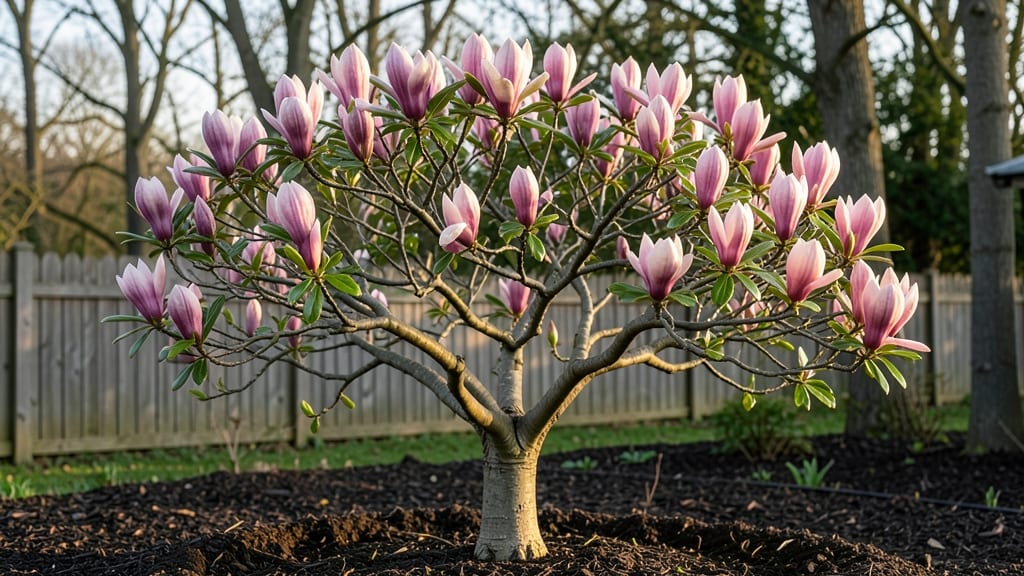
The magnolia pink tree turns your yard into a living canvas with its bold, blush-pink blooms that steal the show from late winter through spring. 🌸 I remember the first time I saw one in full bloom—it looked like someone had splashed a watercolor masterpiece across the landscape.
This isn’t just a pretty face; it’s a tree that grows to 20-30 feet tall, making it perfect as a statement piece in any garden design.
What sets this tree apart is its year-round interest: glossy evergreen leaves in summer, striking bark in winter, and those iconic pink flowers that appear before most other trees even think about blooming.
It thrives in full sun to partial shade, so you can tuck it into almost any spot—whether as a dramatic focal point near your front door or along a border where its height adds vertical drama.
Pair it with azaleas, hydrangeas, or boxwoods for a cottage-garden feel, or let it stand alone in a modern landscape where its clean lines and vibrant color make an impact.
The best part? It barely needs pruning—just a light shape-up after flowering to keep it looking its best with minimal effort.
Once planted, this tree becomes the backbone of your garden’s seasonal transitions. The early blooms feed pollinators, the summer foliage provides shade, and the winter structure adds texture. It’s the kind of tree that grows more beautiful every year—and requires almost no maintenance to get there.
📚 In This Guide
- What you need
- Instructions
- Tips and common mistakes
- Wrapping up and next steps
What you need
- ● Pruning shears: Bypass pruners (sharp, clean, and sterilized with rubbing alcohol to prevent disease). Pro tip: 💡 Avoid dull blades—they crush stems instead of cleanly cutting!
- ● Hand pruners: For smaller branches (4-inch blades).
- ● Loppers: For thicker branches (8–12-inch handles, rated for ¾-inch diameter).
- ● Gloves: Heavy-duty gardening gloves (cut-resistant for safety).
- ○ Disinfectant: 70% isopropyl alcohol or a commercial pruning sealant (optional but recommended).
- ● Pruning saw: Only if branches exceed 2 inches in diameter (avoid overuse—it’s a last resort!).
- ● Extension pole: For hard-to-reach branches (3–6 feet, with a pruner attachment).
- ● Tree wound dressing: Controversial but useful for large cuts (follow up with sterile pruning!).
- ● Notebook & pen: To track pruning dates and notes on growth patterns.
- ● Mulch: Organic mulch (2–3 inches) to retain moisture and protect roots post-pruning.
- ● Timing: Prune after flowering (late spring to early summer) for Magnolia Pink trees.
- ● Weather: Choose a dry, overcast day to avoid stressing the tree.
- ● Safety first: Wear closed-toe shoes and avoid working under wet branches.
Step-by-Step guide to planting and caring for a magnolia pink tree
Here's how to nurture this stunning tree for vibrant blooms year after year.
🌱 Step 1: Choose the Perfect Planting Spot
Magnolia pink trees thrive in partial shade to full sun, but they prefer morning sun and afternoon shade—especially in hotter climates. Look for a spot that gets at least 4-6 hours of sunlight daily, but avoid harsh afternoon sun that can scorch delicate leaves.
Here's the thing—these trees hate soggy roots. Pick a location with well-draining soil and good airflow. If your yard has heavy clay, amend the soil with 2-3 inches of compost mixed into the top 12 inches of soil before planting. The tree will reward you with glossy foliage and stunning blooms if the roots stay happy.
🪴 Step 2: Plant with Care for Long-Term Health
Dig a hole twice as wide as the tree's root ball but only as deep as the container it came in. This ensures the tree sits at the same level it was growing before—burying too deep suffocates roots, while planting too high stresses the tree. Gently remove the tree from its container and loosen any circling roots with your fingers.
Place the tree in the hole and backfill with the native soil, tamping it down lightly as you go. Water deeply to settle the soil and eliminate air pockets. Real talk: don't skip this step. A well-planted tree starts its life with strong roots, so take your time here.
☀️ Step 3: Water and Mulch for Year-Round Beauty
Water your magnolia pink tree deeply once a week during the first growing season, giving it 1-2 gallons depending on the tree's size. After that, water only when the top 2-3 inches of soil feel dry to the touch. Overwatering is the fastest way to kill this tree—it's far better to underwater slightly than drown it.
Spread 2-3 inches of mulch around the base, keeping it 3-4 inches away from the trunk to prevent rot. Use organic mulch like wood chips or shredded bark. This helps retain moisture, regulate soil temperature, and keep weeds at bay. Refresh the mulch annually to maintain its benefits.
✂️ Step 4: Prune Strategically for Healthy Growth
Here's the moment that matters: prune your magnolia pink tree only after it finishes blooming in spring or early summer. Remove any dead, diseased, or crossing branches first—they're easy to spot and should go immediately. Then, shape the tree lightly to open up the canopy and improve airflow.
Never prune in late summer or fall, as this can stimulate new growth that won't harden off before winter. And don't remove more than 25% of the tree's foliage in one season—this stresses the tree and reduces next year's blooms. A little light pruning goes a long way with magnolias.
🌿 Step 5: Fertilize and Protect for Longevity
Feed your magnolia pink tree with a balanced, slow-release fertilizer in early spring, just as new growth begins. Use a 10-10-10 or 20-20-20 formula at half the recommended rate—these trees don't need much, and too much fertilizer can harm them. Water the tree deeply after applying fertilizer to help it absorb into the soil.
Watch for common pests like scale insects or spider mites, which can stress the tree. If you spot them, treat with neem oil or insecticidal soap—these are gentle but effective. A healthy magnolia pink tree is less susceptible to pests, so focus on proper watering, mulching, and pruning first. You'll love the results!
Tips & tricks for perfect magnolia pink tree care
These game-changing insights will help you grow a thriving magnolia pink tree that blooms beautifully year after year.
Soil Preparation Secret: When amending heavy clay soil with the 2-3 inches of compost in Step 1, mix it into the top 12 inches of soil—not just the surface. This creates a proper root zone where moisture and nutrients can reach the tree's roots. Think of it like building a foundation: the deeper you go, the stronger the roots will grow.
Planting Depth Caution: In Step 2, resist the urge to bury the tree deeper than its original container level. The root flare (where roots meet trunk) should sit just above soil level. Burying too deep suffocates the tree, while planting too high stresses it. Use a pencil to mark the depth before planting—this simple trick saves countless mistakes.
Watering Wisdom: The 1-2 gallons of water in Step 3 should go directly to the root zone, not the leaves. Use a watering wand or soaker hose to deliver water slowly at the base. This prevents fungal diseases that often plague magnolia trees. I've seen firsthand how proper watering techniques can mean the difference between a thriving tree and one struggling with leaf spots.
Pruning Precision: When pruning in Step 4, focus on making clean cuts just outside the branch collar (the swollen area where the branch meets the trunk). Avoid leaving stubs, as these can invite disease. And remember: never remove more than 25% of foliage in one season—this is crucial for maintaining next year's spectacular blooms.
Pro Tips for Magnolia Pink Tree
- These game-changing insights will help you grow a thriving magnolia pink tree that blooms beautifully year after year.
- Soil Preparation Secret: When amending heavy clay soil with the 2-3 inches of compost in Step 1, mix it into the top 12 inches of soil—not just the surface.
- Planting Depth Caution: In Step 2, resist the urge to bury the tree deeper than its original container level.
Frequently asked questions
How often should I prune my Magnolia Pink Tree?
Prune your Magnolia 'Pinkie' only when absolutely necessary—like removing dead or crossing branches. Unlike some trees, it thrives with minimal pruning. The best time is late winter or early spring (before buds swell), but avoid heavy cuts to preserve its natural shape. Just a light touch keeps it healthy and blooming!
Why aren’t my Magnolia Pink Tree’s flowers as vibrant as they used to be?
Duller blooms often mean too much shade, over-fertilizing, or poor drainage. Ensure it gets 6+ hours of sunlight and well-draining soil. Skip heavy fertilizers—magnolias prefer organic matter (like compost) over synthetic feeds. If roots are waterlogged, amend soil with sand or gravel for better aeration.
Can a Magnolia Pink Tree survive harsh winters?
Yes! This cold-hardy beauty tolerates USDA Zones 5-9. For extra protection in colder climates (Zone 5), mulch the base with 3-4 inches of organic mulch (like pine straw) and water deeply before the first frost. Avoid pruning in winter—wait until late winter to prevent frost damage to new growth.
What’s a good alternative if I want a pink-flowering tree with even less maintenance?
If you love the Pinkie’s color but want zero-pruning ease, try:
- Japanese Maple ('Bloodgood') – Stunning foliage, minimal pruning, but needs more shade.
- Crabapple ('Pink Pearl') – Bold pink blooms, drought-tolerant, and thrives in full sun.
- Dogwood ('Pink Icing') – Showy spring flowers, but slightly more finicky with pests.
What should I avoid when caring for my Magnolia Pink Tree?
Steer clear of these common mistakes:
- Over-pruning – Heavy cuts stress the tree and reduce blooms.
- Wet feet – Magnolias hate soggy roots; plant on a slight mound if drainage is poor.
- Late-season fertilizing – Stop feeding by mid-summer to encourage winter dormancy.
- Ignoring pests – Watch for scale insects or borers; treat early with horticultural oil.
Wrapping up and next steps
The Magnolia Pink Tree is a stunning, low-maintenance addition to any landscape, offering vibrant blooms and lush foliage with minimal pruning. Its resilience and year-round beauty make it perfect for gardeners who want color without the hassle—just a little care to keep it thriving.
Whether you're a seasoned pruner or a beginner, this tree rewards effortlessly!
Ready to transform your outdoor space? Grab your tools, follow the steps above, and enjoy the pink perfection of your Magnolia Pink Tree for years to come! 🌸✨