
Pruning
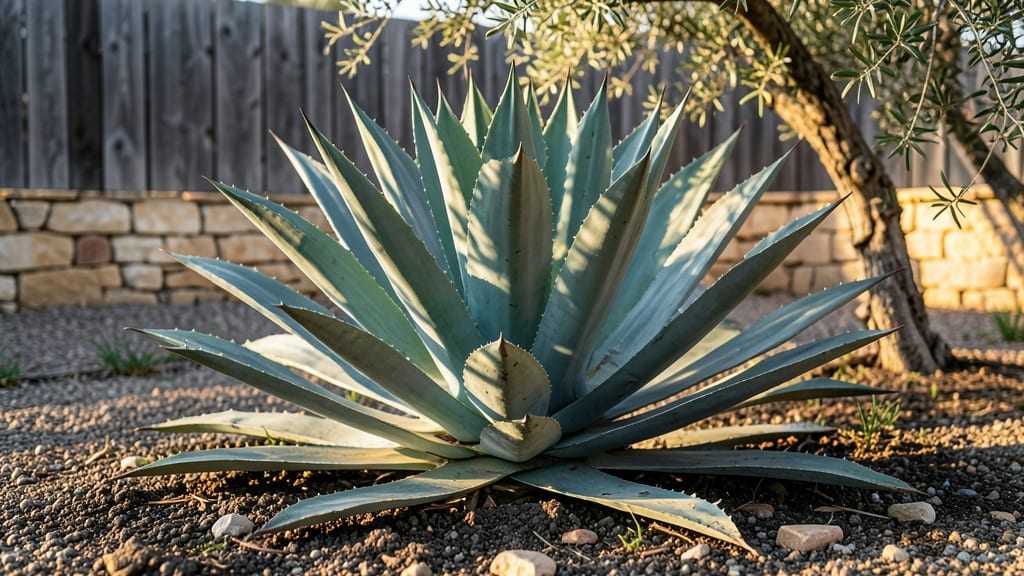
Transforming your desert landscape with a maguey Christmas tree starts with shaping its dramatic silhouette year-round. ✨ This striking Dasylirion wheeleri isn’t just a holiday centerpiece—it’s a living sculpture that thrives in arid climates and demands minimal fuss once you master its pruning rhythm.
The secret lies in strategic trimming that preserves its architectural beauty while encouraging fuller growth. Unlike traditional evergreens, maguey’s rigid fronds need careful cuts to maintain balance—think of it as sculpting a natural fountain.
I’ve shaped mine into everything from a classic tiered tree to a modern, asymmetrical statement piece, all while keeping it healthy in 100-degree heat.
What you’ll achieve is a plant that doubles as both art and function—its sharp, spiky silhouette catches light beautifully at sunset, and its natural shape makes it perfect for pairing with succulents or drought-tolerant perennials.
The best part? With the right cuts, it stays lush and vibrant for decades, becoming the focal point of your outdoor space.
Whether you’re going for rustic charm or contemporary minimalism, this technique adapts to any desert garden style. Let’s get your maguey looking like a showstopper all year, not just during the holidays.
📚 In This Guide
- What you need
- Instructions
- Tips and common mistakes
- Wrapping up and next steps
What you need
- ● Pruning shears: Bypass pruners (sharp, clean, and sterilized with rubbing alcohol to prevent disease). Size: 6–8 inches for medium agave leaves.
- ● Heavy-duty gloves: Leather or thick gardening gloves (maguey leaves have serrated edges—trust us, you’ll need protection!).
- ● Disposable pruning bags: 1–2 large bags (3–5 gallon size) to collect leaf debris and reduce mess.
- ● Hose or water source: A spray nozzle or bucket of water to rinse tools and leaves mid-prune (agave sap can be sticky!).
- ● Rubbing alcohol (70%+) or bleach solution: For sterilizing tools between cuts (1 part bleach to 9 parts water).
- ○ Sharpie or chalk: To mark pruning lines on leaves (optional but helpful for symmetry!).
- ● Loppers: For thicker, woody leaves (if your agave is mature, 5–7 years old or older).
- ● Pruning saw: For stubborn, thick basal growth (rare but possible in giant agave varieties).
- ● Compost bin or mulch: To repurpose trimmed leaves as nutrient-rich mulch.
- ● Safety goggles: If your agave is near structures or you’re pruning in windy conditions (sap and debris can fly!).
- ● Camera or sketchpad: To document your progress—great for tracking seasonal changes!
Step-by-step guide to pruning your maguey Christmas tree
Transform your desert landscape centerpiece with these precision pruning techniques.
✂️ Step 1: Assess Growth Patterns and Pruning Zones
Start by examining your maguey's natural growth habit—look for the central rosette and offset pups emerging from the base. Magueys grow in concentric rings, so prune along these natural lines to maintain structural integrity. The outermost leaves (about 1/3 of the plant's height) are your primary pruning zone—they're mature enough to cut back without damaging the core.
Use sterilized pruning shears to make clean cuts at a 45-degree angle, just above a leaf node. Avoid cutting into the thick, fleshy leaves unless absolutely necessary—they store water and protect the plant. If you see dead or yellowing leaves, remove them first—they'll only weigh down the plant and attract pests.
✂️ Step 2: Shape for Seasonal Balance
Desert landscapes need year-round structure, so adjust your pruning based on seasons. In spring, focus on light shaping—remove only overcrowded leaves to improve airflow. In summer, when growth accelerates, prune aggressively to encourage bushier growth (cut back 1/3 of the tallest leaves).
For a Christmas tree silhouette, aim for a tapered, conical shape. Start by trimming the outer edges of the rosette to create a gradual slope. Avoid cutting more than 20% of the plant's foliage in a single session—magueys are slow to recover from heavy pruning. If you're unsure, less is more: wait until the next season to refine.
🌿 Step 3: Manage Offsets and Encourage New Growth
Maguey pups (offsets) are your plant's way of expanding—never remove them unless you want a single-stem specimen. If you're growing a multi-stemmed maguey, gently separate pups with a clean, sharp knife when they reach 1/3 the size of the mother plant. Replant them in well-draining soil and keep them moist but not soggy for the first 4-6 weeks.
After pruning the main rosette, fertilize lightly with a low-nitrogen, high-phosphorus blend (like 5-10-10) to stimulate root and pup growth. Water deeply once a week for the first month post-pruning—this helps the plant recover without stressing it. You'll notice new leaves emerging from the center within 6-8 weeks, signaling successful regrowth.
☀️ Step 4: Post-Pruning Care for Desert Resilience
Magueys thrive in full sun, but freshly pruned plants need partial shade for 2-3 days to reduce stress. Move them to a sheltered spot (like under a 50% shade cloth) if your climate hits above 100°F. Avoid pruning during extreme heat—the plant uses all its energy to regulate temperature, not regrow.
Monitor for sap oozing at pruning sites—this is normal, but seal cuts with pruning wax if they exceed 1/2 inch wide to prevent rot. If you notice brown edges on remaining leaves, increase humidity slightly (mist lightly in the morning) or move the plant to a slightly shaded area for a week. Healthy magueys should retain their deep green color and produce new leaves within 8-10 weeks of pruning.
⏰ Step 5: Schedule Year-Round Maintenance
Create a pruning calendar tied to your maguey's growth cycle. Light trims every 4-6 weeks keep the shape refined, while major shaping (like holiday-themed cuts) should happen once a year in early spring before new growth starts. If you live in a hot desert zone, prune after monsoon rains (July-August) to give the plant a moisture boost for recovery.
Here's the thing—over-pruning kills magueys. If you cut too aggressively, the plant may stop producing new leaves or develop soft, mushy growth (a sign of stress). Your goal is subtle refinement, not drastic transformation. With consistent care, your maguey will develop a dense, sculptural form that’s the envy of desert landscapes.
Tips & tricks for pruning your maguey Christmas tree
Here's what nobody tells you about keeping your maguey looking its best year-round.
Seasonal Timing is Everything: The instructions mention adjusting pruning based on seasons, but I'll clarify why this matters so much. In spring, focus on removing only overcrowded leaves to improve airflow—this prevents fungal issues that thrive in damp desert conditions. In summer, when growth accelerates, you can be more aggressive, but never exceed the 1/3 trim of tallest leaves mentioned in Step 2. The key is matching your pruning intensity to the plant's natural growth cycle, not just following a calendar.
Tool Precision Prevents Damage: Sterilized pruning shears are non-negotiable, but here's what I learned after ruining a few leaves: Always make cuts at a 45-degree angle just above a leaf node. This creates a larger surface area for faster healing. For wider cuts (over 1/2 inch), seal immediately with pruning wax to prevent rot—this is especially critical in desert climates where evaporation rates are high. I keep a small jar of wax in my gardening shed just for this purpose.
Post-Pruning Recovery Secrets: After pruning, the instructions recommend partial shade for 2-3 days, but I've found this varies dramatically by region. If your climate regularly hits above 100°F, extend the shade period to 5-7 days and monitor for stress signs like brown edges. The 6-8 week regrowth timeline mentioned is accurate, but you can accelerate this by using a 50% shade cloth during the hottest part of the day while still allowing morning sun exposure. This balance helps the plant recover without shocking it.
Holiday-Specific Shaping: For that perfect Christmas tree silhouette, start with the outer edges of the rosette as mentioned, but here's my pro tip: Use a string or twine as a guide. Tie it loosely around the plant at the height you want your "tree top" to end, then trim all leaves above this line. This creates an instant visual reference and ensures your taper is symmetrical. I've used this technique for years—it makes holiday pruning look effortless, even for beginners.
Pro Tips for Maguey Christmas Tree
- Here's what nobody tells you about keeping your maguey looking its best year-round.
- Seasonal Timing is Everything: The instructions mention adjusting pruning based on seasons, but I'll clarify why this matters so much.
- Tool Precision Prevents Damage: Sterilized pruning shears are non-negotiable, but here's what I learned after ruining a few leaves: Always make cuts at a 45-degree angle just above a leaf node.
Frequently asked questions
Got questions about pruning your maguey Christmas tree? You’re not alone! Whether you're a first-time pruner or a seasoned desert landscaper, these answers will help you keep your agave Ferocactus (or similar) looking its best year-round. Let’s dive in!
When is the best time to prune a maguey Christmas tree?
The ideal time to prune your maguey Christmas tree is in late winter or early spring (February–March), just as new growth begins. Avoid pruning during extreme heat or cold—this helps the plant recover faster and reduces stress. If you spot dead or damaged branches year-round, trim them promptly to prevent pests or disease.
How do I know which branches to cut on my maguey?
Focus on dead, diseased, or crossing branches—these compete for sunlight and nutrients. Look for brown, shriveled, or hollow stems (common in older agaves). For shaping, trim back no more than 1/3 of the plant’s height—over-pruning can shock the plant. Use sterilized shears to avoid spreading infections.
Can I prune a maguey Christmas tree in summer?
Pruning in summer is not recommended unless it’s an emergency (e.g., storm damage). The intense desert heat and dry air can slow healing and increase stress. If you must prune, do it early morning or late evening to minimize sun exposure. Water the plant well before and after to aid recovery.
What should I do if my maguey looks sad after pruning?
If your maguey appears wilted or weak post-pruning, it’s likely adjusting to the change. Keep it well-watered (but not soggy) for 2–3 weeks and avoid fertilizing until new growth appears. Yellowing leaves? It might be normal stress—agaves often shed older leaves. If the problem persists, check for root rot or pests.
Are there alternatives to pruning for shaping my maguey?
Yes! If pruning feels too risky, try natural shaping techniques:
- Selective removal: Only trim dead or misplaced branches.
- Support structures: Use stakes to guide sprawling branches.
- Mulching: Add organic mulch to protect roots and retain moisture.
- Patience: Magueys grow slowly—let them mature naturally for a fuller look.
Wrapping up and next steps
Transforming your maguey Christmas tree into a stunning desert centerpiece is all about patience, precision, and passion! 🌵✨ By mastering the art of year-round pruning—whether shaping its iconic rosette, encouraging new growth, or removing dead fronds—you’ll keep your plant thriving while showcasing its natural beauty.
Remember, consistency is key, and even small adjustments can make a big difference over time.
Now that you’re armed with the secrets to pruning success, why not take the next step? Share your progress with fellow desert gardeners, experiment with creative designs, or even research companion plants to create a show-stopping landscape. Your maguey’s potential is endless—go ahead and make it shine! 🌟