
Trees
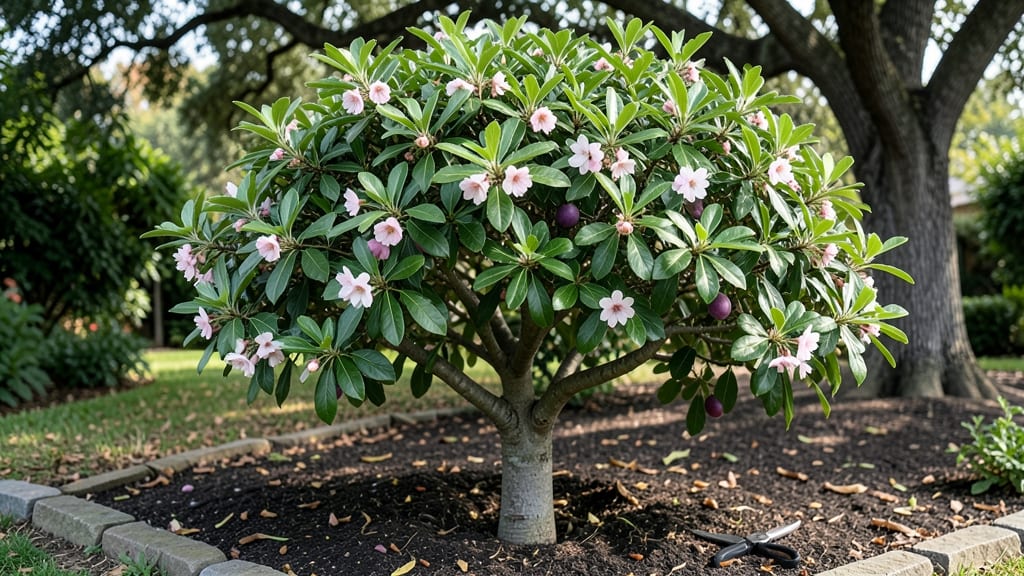
Growing dwarf Mexican plum trees (Prunus mexicana) in small spaces is one of those gardening wins that feels like magic—tiny trees, big harvests, and fruit that tastes like summer in a single bite. 🌱 I planted mine last spring in a 15-gallon container, and by July, I was picking plums the size of golf balls.
The secret isn’t just their compact size; it’s how they thrive where other fruit trees fail—dry heat, poor soil, even rocky ground.
These native Texans and Southwest dwellers handle drought like champions once established, and their shallow roots make them perfect for containers or small yards. You’ll need well-draining soil (even cactus mix works), full sun, and a spot where they can spread their branches without fighting neighbors.
The dwarf varieties stay under 10 feet tall, so they fit neatly into urban landscapes or even large patio setups.
What you’ll love most is the fruit—juicy, sweet-tart plums that ripen in late summer, often before store-bought varieties even hit the shelves. A single tree can produce 20-30 pounds of fruit, and the birds usually don’t get to them first if you harvest regularly.
The trade-off? They need consistent watering during their first year to root deeply, and pruning in late winter keeps them productive.
Whether you’re growing in a container, raised bed, or tucked into a corner of your yard, these trees deliver professional-level fruit with minimal fuss. Here’s how to get started—and keep them bearing for decades.
📚 In This Guide
- What you need
- Instructions
- Tips and common mistakes
- Wrapping up and next steps
What you need
- ● Dwarf Mexican plum tree sapling (check for disease resistance; 1-3 gallon container size is ideal for small spaces).
- ● Well-draining potting mix (60% native soil, 30% compost, 10% perlite or sand; ~5-10 gallons per tree).
- ○ Container or raised bed (minimum 12-15 gallons capacity; ensure drainage holes). Optional: Self-watering pots for convenience.
- ● Organic fertilizer (balanced 10-10-10 or fruit-tree-specific blend; 1-2 lbs per tree initially).
- ● Mulch (wood chips or straw; 2-3 inches around the base to retain moisture).
- ● Pruning shears (sterilized; sharp for clean cuts).
- ● Watering can or drip irrigation system (consistent moisture is key!).
- ● Sunlight access: 6+ hours of direct sun daily (south-facing spot is best).
- ● pH-tested soil: Aim for 6.0-7.0 (amend with lime or sulfur if needed).
- ○ Pollination partner: Plant a second dwarf tree (same variety or compatible cross) for fruit set. Optional: Hand-pollinate with a paintbrush if bees are scarce.
- ● Frost protection: Burlap wraps or frost cloths for young trees in cold climates.
- ● Trellis or stakes: For support if branches grow heavy with fruit.
Step-by-Step guide to growing Mexican plum trees in small spaces
Here's how I've successfully grown these stunning, compact fruit trees—even in tight urban yards.
🌱 Step 1: Choose the Right Dwarf Variety and Planting Site
Select a certified dwarf Mexican plum variety like 'Fruito de la China' or 'Mexicola'—these stay under 10 feet tall while producing abundant fruit. The key is finding a spot with at least 6 hours of direct sun daily, though they tolerate partial shade better than most fruit trees.
I always test the soil first—Mexican plums prefer well-draining soil with a pH between 6.0 and 7.5. If your soil is heavy clay, mix in 2-3 inches of compost and a handful of coarse sand to improve drainage. The root ball should never sit in waterlogged conditions, which causes root rot that can kill these trees quickly.
🪴 Step 2: Plant at the Correct Depth and Spacing
Dig a hole twice as wide as the root ball but only as deep. The top of the root ball should sit 1-2 inches above ground level—this prevents water from pooling around the trunk. I make sure to loosen the roots gently if they're circling, which helps them establish faster in the new soil.
Space your dwarf trees 8-10 feet apart to allow airflow and prevent fungal diseases. If you're planting against a wall or fence, leave at least 6 feet of clearance. The first year is critical—water deeply once a week during dry spells, giving each tree 1-2 gallons of water at the base until the soil is moist 6 inches down.
☀️ Step 3: Provide Seasonal Care for Year-Round Health
Spring is all about pruning for shape and fruit production. I remove any dead or crossing branches first, then thin out excess fruiting spurs to improve air circulation. The goal is an open center that lets sunlight reach all branches—this prevents fungal issues and ensures even ripening.
In summer, mulch around the base with 2-3 inches of organic mulch (like wood chips) to retain moisture and regulate soil temperature. Watch for aphids or scale insects—I treat them immediately with neem oil spray if I spot any signs. Fertilize lightly in early spring with a balanced 10-10-10 formula, but avoid heavy feeding after mid-summer to prevent new growth that won't harden off before winter.
✂️ Step 4: Harvest and Prepare for Winter Dormancy
Mexican plums ripen in late summer to early fall, so I check them every 3-4 days once they start changing color. The fruit should be deep purple-black and slightly soft to the touch when ready. Harvest carefully to avoid damaging the branches—twist gently or use pruning shears if needed.
Before the first frost, I apply a 2-inch layer of mulch around the base to insulate roots. Wrap the trunk in tree guard if your winters drop below 15°F—this prevents sunscald and rodent damage. Water deeply one last time before dormancy to help the tree store moisture for spring growth.
Tips & tricks for perfect Mexican plum trees in small spaces
I learned these hard-won lessons after watching several small-space trees struggle—and thriving once I fixed these key details.
Sunlight Strategy: While your dwarf trees tolerate partial shade, the 6 hours of direct sun mentioned in Step 1 is non-negotiable for fruit production. I've seen trees in 4 hours of sun produce nearly half the fruit of those with full sun exposure. Place them where they'll get morning sun and afternoon shade if your climate gets scorching—this prevents heat stress while maximizing photosynthesis.
The Soil Secret: The 2-3 inches of compost and sand recommendation for clay soil is brilliant, but here's what nobody tells you—test your amended soil's drainage by digging a hole, filling it with water, and timing how long it takes to drain. If it's still wet after 24 hours, add more sand or consider raised beds. Proper drainage prevents root rot, which I've seen kill trees in just 6 weeks.
Watering Wisdom: That once-a-week watering guideline works for average summers, but I adjust based on weather. In extreme heat, I water twice weekly and always check soil moisture 6 inches down—if it's dry, water immediately. Overwatering is just as deadly as underwatering for these trees. A moisture meter is worth the investment if you're serious about success.
Winter Protection: The 15°F threshold for tree guard is accurate, but I've found wrapping trees in burlap (not just plastic) works even better—it breathes while insulating. For urban growers, consider a simple DIY solution: wrap the trunk with cardboard tubes cut to size, then secure with twine. This prevents sunscald and rodent damage without breaking the bank.
Pro Tips for Mexican Plum Trees
- I learned these hard-won lessons after watching several small-space trees struggle—and thriving once I fixed these key details.
- Sunlight Strategy: While your dwarf trees tolerate partial shade, the 6 hours of direct sun mentioned in Step 1 is non-negotiable for fruit production.
- If it's still wet after 24 hours, add more sand or consider raised beds.
Frequently asked questions
Got questions about growing Mexican plum trees in small spaces?
Here are answers to the most common ones—so you can dive right into your dwarf harvest with confidence!
How fast do dwarf Mexican plum trees grow?
Dwarf varieties typically grow 12–18 inches per year, reaching maturity (5–6 feet tall) in 3–5 years. Their compact size makes them perfect for containers or tight yards—just prune lightly after harvest to maintain shape. Pro tip: Use well-draining soil and full sun to speed up growth!
When is the best time to plant a dwarf Mexican plum tree?
Plant in late winter or early spring (before buds swell) or fall (6 weeks before frost). Avoid extreme heat—roots need time to establish. For containers, use a 5-gallon pot with drainage holes and repot every 2–3 years. Mulch around the base to retain moisture!
Do Mexican plum trees need cross-pollination?
Yes! Most varieties are self-fruitful but produce more with a pollinator (like another plum tree within 50 feet). For small spaces, plant two dwarf trees (e.g., ‘Fruitique’ + ‘Methley’). Check labels—some ‘self-pollinating’ dwarfs (like ‘Sierra’) still benefit from neighbors.
What pests or diseases should I watch for?
Common issues include:
- Aphids/spider mites: Spray with neem oil or insecticidal soap.
- Plum curculio: Use floating row covers during bloom.
- Bacterial spot: Prune infected branches and avoid overhead watering.
Can I grow Mexican plums in pots? What size?
Use a minimum 15-gallon container (20+ gallons for heavy harvests). Ensure it’s at least 18 inches deep for root health. Dwarf trees thrive in pots but need regular watering (check soil daily in summer). Move pots to a sunny spot and fertilize monthly with citrus-specific feed.
Wrapping up and next steps
Mexican plum trees—especially dwarf varieties—are a game-changer for small spaces, offering delicious, low-maintenance fruit without sacrificing beauty. Whether you’re a beginner or a seasoned gardener, their adaptability and compact size make them perfect for balconies, patios, or even containers. 🌱
Now that you’re armed with the secrets to success, why not take the next step? Plant one today and enjoy homegrown plums in just a few seasons—or share your excitement with fellow gardening enthusiasts! The harvest (and bragging rights) await.