
Pruning
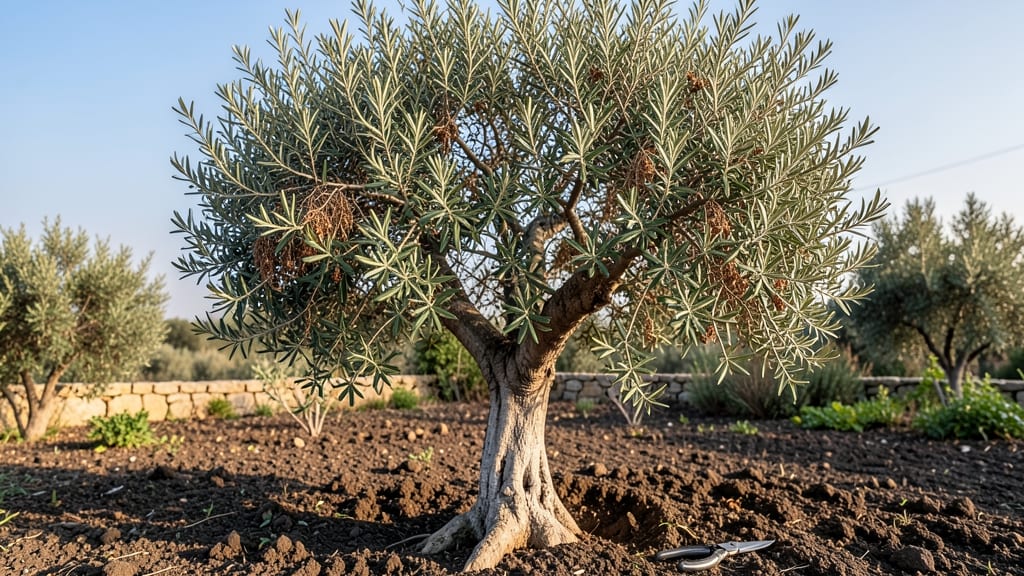
Growing an olive tree in New York isn't just possible—it's a rewarding challenge that transforms your yard into a taste of the Mediterranean. 🌿 I’ve nurtured mine through winters by choosing cold-hardy varieties like ‘Arbequina’ and ‘Frantoio,’ which survive down to 10°F with the right care.
The key isn’t just picking the right tree; it’s understanding how microclimates, soil, and winter protection work together to keep your olive thriving year-round.
Start with well-draining soil—olives hate soggy roots—and plant in a sheltered spot where winter winds won’t scorch tender branches. Container growing is a game-changer for colder zones, letting you move potted trees indoors or under cover when temperatures drop.
My 5-gallon olive spent its first winter on a patio covered with burlap, and it’s now pushing new growth by spring.
You’ll see the payoff in stronger branches, heavier fruit sets, and a tree that outlasts the harshest New York winters. The secret? Pruning in late winter to shape the canopy before new growth starts, and wrapping young trunks to prevent frost cracks.
Even in Zone 6, olives can flourish with these adjustments—just look at the thriving trees at the New York Botanical Garden’s conservatory.
For those worried about frost, don’t skip the mulch blanket in fall or the row covers for young trees. Container growers can even bring their trees inside during deep freezes.
With the right variety and a little strategy, your olive tree won’t just survive—it’ll become the centerpiece of your garden, bearing fruit and beauty for decades.
📚 In This Guide
- What you need
- Instructions
- Tips and common mistakes
- Wrapping up and next steps
What you need
- ● Pruning shears: Bypass-style (for cuts up to ½ inch thick) – 1 pair (sharp and clean!)
- ● Loppers: For thicker branches (½ to 1½ inches) – 1 pair (with a long handle for reach)
- ● Pruning saw: For branches over 1½ inches – 1 (folding or curved blade for precision)
- ● Disinfectant: 70% isopropyl alcohol or pruning sealant – small bottle (to prevent disease spread)
- ● Heavy-duty gloves: Garden gloves (cut-resistant) – 1 pair (olive branches can be thorny!)
- ● Ladder or step stool: Sturdy and tall enough to reach the canopy – 1 (safety first!)
- ● Trash bags: For collecting pruned branches – 2-3 (biodegradable preferred)
- ○ Notebook & pen: To sketch pruning plan or track cuts – 1 (optional but helpful!)
- ● Extension pole saw: For high branches without a ladder – 1 (saves time and effort!)
- ● Pruning paint/sealant: For large cuts (over ½ inch) – small tube (speeds up healing)
- ● Camera: To document before/after progress – smartphone works!
- ● Mulch: Organic mulch (2-3 inches) for post-pruning care – bag or pile nearby
Step-by-step guide to pruning olive trees in New York's dormant season
Here's how to sculpt your olive tree for resilience—without sacrificing next year's harvest.
🌿 Step 1: Assess the Tree Structure Before Cutting
Wait until late winter when the tree is fully dormant and temperatures hover around 20-30°F at night. Start by examining the canopy from all sides—look for dead, crossing, or inward-growing branches that compete for sunlight. These are your first targets. I always sketch a rough diagram of the tree's main branches to visualize the ideal shape before making any cuts.
Focus on removing branches that are thinner than a pencil or show signs of disease (blackened bark, oozing sap). Healthy branches have smooth bark and a firm structure. If you're unsure, make a small test cut—if green fluid appears, the branch is still alive. Remember, olive trees form suckers aggressively, so you'll need to prune these too during the process.
✂️ Step 2: Make Precision Cuts Using the Right Tools
Use clean, sharp pruning shears for branches under ½ inch thick and a pruning saw for anything thicker. Disinfect your tools with 70% rubbing alcohol between cuts to prevent spreading disease. Always cut just outside the branch collar—the swollen area where the branch meets the trunk or larger branch. This ensures proper healing and prevents unsightly stubs.
Make your cuts at a 45-degree angle to allow water to run off, but never cut flush to the trunk. For larger branches, remove one-third of the branch length at a time over three years to avoid shocking the tree. If you're pruning a young tree, aim to open the center to 60% sunlight penetration—olive trees need full light to produce fruit.
☀️ Step 3: Shape for Airflow and Light Penetration
Step back and visualize the tree's ideal shape—a balanced, open canopy with a strong central leader. Remove suckers (shoots growing from the base or trunk) immediately, as they drain energy from fruit production. For mature trees, thin out 20-30% of the foliage to improve airflow, which reduces fungal diseases like peacock spot common in New York's humid summers.
Prune younger branches first, then move to older wood. This prevents excessive bleeding and helps the tree allocate energy efficiently. Avoid cutting more than one-third of the tree's foliage in a single season—olive trees are resilient but not invincible. After pruning, rake up and dispose of all fallen debris to prevent pests from overwintering in your yard.
🪴 Step 4: Post-Pruning Care for Recovery
Water the tree deeply after pruning to help it recover, especially if you've removed a significant portion of the canopy. Apply a 2-inch layer of mulch around the base (but not touching the trunk) to retain moisture and regulate soil temperature. This is particularly important in New York's unpredictable spring weather, where sudden freezes can stress newly pruned trees.
Monitor the tree for new growth in early spring—this is your sign that the pruning was successful. If you notice yellowing leaves or stunted growth, the tree may be stressed. In this case, avoid further pruning until the following dormant season. Olive trees in New York also benefit from a balanced fertilizer applied in early spring to replenish nutrients lost during pruning.
Tips & tricks for pruning olive trees in New York's dormant season
Here's what I've learned after years of working with olive trees in New York's challenging climate—these tricks will help you avoid common mistakes and get the best results.
Timing is Everything: Those 20-30°F nighttime temperatures are your golden window for pruning. If you prune too early, the tree might still be semi-dormant, and if you wait too late, buds will start swelling. I've found that mid-February works best in most of upstate New York, but always check your local weather—New York's microclimates can vary dramatically even within short distances. The goal is to finish pruning at least 2-3 weeks before the last expected frost.
The Branch Collar Technique: This is where most people go wrong. When you cut just outside the branch collar—the swollen area where the branch meets the trunk—you're actually helping the wound heal faster. I've seen too many pruning jobs leave ugly stubs that become entry points for disease. For thicker branches, make your cut at a 45-degree angle about 1/8 inch outside the collar. The angle helps water run off, and the small gap prevents water from pooling where it could rot.
Visualizing the Canopy: Before making any cuts, I always sketch a rough diagram of my tree's structure. This helps me visualize how the branches will interact after pruning. Look for the "invisible lines"—these are the branches that are growing toward the center of the tree. These need to go first, as they'll compete with each other for sunlight and nutrients. For mature trees, aim to create an open vase shape that allows sunlight to reach the center. This isn't just about looks—it's about maximizing fruit production.
New York-Specific Disease Prevention: Our humid summers make olive trees particularly susceptible to peacock spot fungus. After pruning, I always apply a thin layer of copper fungicide to fresh cuts as a preventative measure. This is especially important if you're working with mature trees where airflow might be compromised. Also, remove all fallen leaves and debris—these can harbor overwintering pests that will become problems when spring arrives.
Pro Tips for Olive Tree New York
- Here's what I've learned after years of working with olive trees in New York's challenging climate—these tricks will help you avoid common mistakes and get the best results.
- Timing is Everything: Those 20-30°F nighttime temperatures are your golden window for pruning.
- The Branch Collar Technique: This is where most people go wrong.
Frequently asked questions
Got questions about pruning your olive tree in New York’s unique climate?
Here are answers to the most common concerns—from timing to tools and troubleshooting—to help you shape a healthier, more resilient canopy.
When is the best time to prune olive trees in New York?
The ideal window is late winter to early spring (February–March), while the tree is dormant but before new growth begins. This minimizes stress and disease risk. Avoid pruning in fall or during extreme cold snaps—NY’s unpredictable winters can complicate healing. Pro tip: Check local frost dates to time it right!
Can I prune olive trees in winter if they’re already damaged?
Yes! Light pruning to remove dead, broken, or diseased branches can be done anytime, even in winter. However, avoid heavy structural cuts—wait for spring to shape the tree. Focus on cleaning up first, then plan your full pruning strategy. Sterilize tools with rubbing alcohol to prevent spreading pathogens.
What tools do I need beyond a basic pruning saw?
For NY’s olive trees, consider these upgrades:
- Bypass pruners (for clean cuts on smaller branches).
- Loppers (2–4” cuts on thicker limbs).
- Pole saw (for high branches—olive trees can grow tall!).
- Disinfectant spray (to prevent bacterial/fungal spread between cuts).
How much should I cut back? Will I kill my tree?
Never remove more than 25–30% of the canopy in one season—olive trees are resilient but not invincible. Focus on:
- Opening the center for airflow (reduces humidity-related diseases).
- Removing crossing or inward-growing branches.
- Avoiding “lion’s tailing” (over-pruning top growth).
What if my olive tree gets pests after pruning?
Pruning exposes trees to pests like scale or spider mites—common in NY’s climate. Act fast:
- Inspect cuts for sawdust-like frass (pest droppings).
- Spray with neem oil or insecticidal soap (organic options).
- Encourage beneficial insects (ladybugs, lacewings) by planting companion flowers.
Wrapping up and next steps
Pruning your olive tree in New York’s dormant season is your secret weapon for a healthier, more productive canopy—and now you’ve got the blueprint! 🌿 By timing cuts, sharpening your tools, and mastering techniques like open-center shaping, you’re setting your tree up for years of lush growth and bountiful harvests.
Remember, patience and precision pay off, so take your time and celebrate each step.
Ready to roll up your sleeves? Mark your calendar for late winter or early spring—when your tree is still dormant but the first buds are peeking—and grab those pruners!
Start small, observe your tree’s response, and soon, you’ll be the proud gardener of a thriving New York olive tree. Happy pruning!