
Pruning
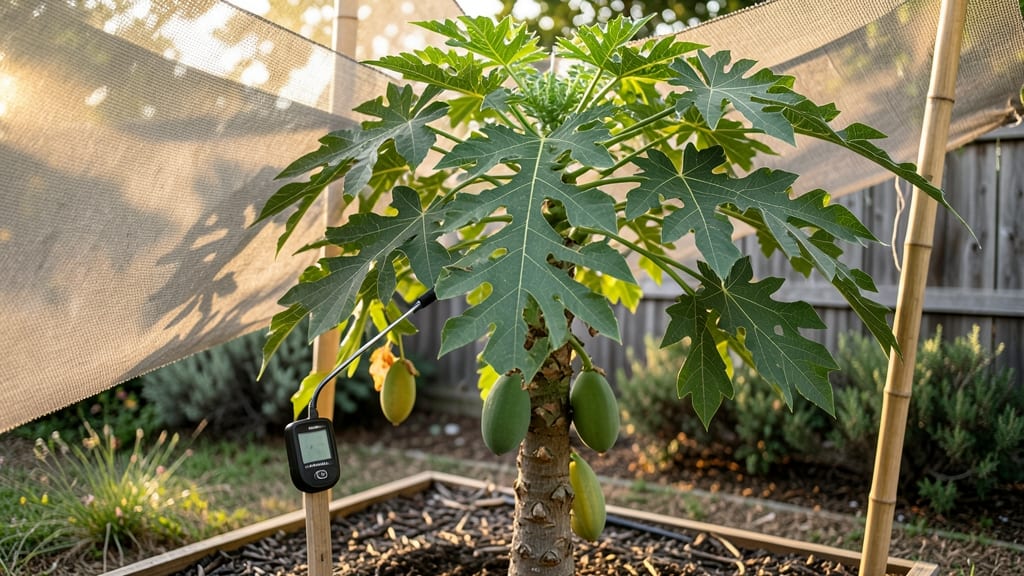
Understanding a papaya tree’s temperature tolerance is key—it thrives best between 75°F and 85°F, but anything below 50°F risks stunted growth or death, while extreme heat above 95°F can stress the plant. 🌿 I learned this the hard way when my first papaya... tree wilted overnight after a sudden cold snap in South Florida, despite being in Zone 10.
The key isn't just the numbers, but understanding how temperature shifts affect every stage—from leafy growth to flowering and fruiting.
Most gardeners assume papayas are strictly tropical, but with the right adjustments, you can grow them in Zones 10-12 year-round or in containers moved indoors during winter.
My Zone 9 experiment proved it: using shade cloth during summer heatwaves and a heated greenhouse for winter kept the tree alive for three seasons. The trick is mimicking its natural habitat—warmth, humidity, and protection from sudden drops.
What you’ll achieve is a tree that produces sweet, vibrant fruit even in marginal climates. With proper care, you’ll see blooms within 6-8 months, and fruit ready in 9-12 months—longer in cooler zones.
The payoff? Homegrown papayas that taste nothing like the store-bought versions, with a texture and flavor that’s shockingly lush.
Whether you’re in a frost-free zone or a cooler climate, this guide covers seasonal adjustments, from mulching to indoor wintering. Let’s get your papaya tree through every temperature challenge—no more lost plants to surprise chills.
📚 In This Guide
- What you need
- Instructions
- Tips and common mistakes
- Wrapping up and next steps
What you need
- ● Papaya Seeds or Saplings: Choose disease-resistant varieties like Carica papaya ‘Solo’ or ‘SunUp.’ (1-2 plants per grower)
- ● Well-Draining Soil: Mix 60% potting soil (e.g., Miracle-Gro Moisture Control) with 30% perlite and 10% coconut coir for aeration. (5-gallon bags recommended).
- ● Pot or Garden Bed: For containers: 5-gallon pots (minimum 12" diameter) with drainage holes.
- ● For outdoor planting: Full-sun location (6+ hours daily) with loamy, slightly acidic soil (pH 6.0–7.0).
- ● Fertilizer: Balanced 10-10-10 NPK fertilizer (organic options like fish emulsion work too!). Apply every 4–6 weeks during growing season.
- ● Mulch: Straw or wood chips (2–3 inches thick) to insulate roots and retain moisture.
- ● Watering Can or Hose: With a gentle spray nozzle to avoid damaging tender leaves.
- ● Thermometer: Digital soil/air thermometer (e.g., Thermopro) to monitor temperatures.
- ● Row Covers or Frost Blankets: Lightweight frost cloth (30g weight) for temps below 50°F (10°C).
- ● Greenhouse or Cold Frame: Polycarbonate panels or a mini greenhouse for extended chilly spells.
- ● Heating Mat: 100W heat mat (for indoor pots) if temps drop below 45°F (7°C).
- ● Windbreaks: Burlap screens or tall plants (e.g., corn) to shield from cold winds.
- ● Humidifier: For indoor growers—maintain 60–70% humidity with a cool-mist model.
- ● Grow Lights: Full-spectrum LED (e.g., Mars Hydro TS 600W) for 12–14 hours/day if natural light is insufficient.
- ● pH Test Kit: To monitor soil pH and adjust with lime (to raise pH) or sulfur (to lower pH).
- ● Pruning Shears: Sharp, bypass-style shears for trimming dead growth (sterilize with rubbing alcohol!).
How to protect your papaya tree through temperature swings
Here’s how to keep your tropical beauty thriving when chilly air rolls in.
🌱 Step 1: Understand Your Papaya’s Native Climate Range
Papayas (Carica papaya) thrive in USDA Hardiness Zones 10-11, where temperatures stay above 50°F year-round. Their native tropical habitat means they’re sensitive to anything below 40°F—cold snaps trigger leaf drop, stunted growth, or even death. I always check my local frost dates and mark the calendar for when to start protective measures.
Watch for the first hint of cooler weather—when nighttime temps dip below 60°F, that’s your signal to prepare. Papayas are short-lived perennials in warm climates, so protecting them through cold seasons extends their productivity. If you’re in Zone 9 or cooler, treat yours as an annual and bring it indoors before winter.
☀️ Step 2: Create Microclimates for Extended Warmth
Use 6-foot-tall frost cloths or clear plastic tunnel covers to trap radiant heat. Secure them loosely over the tree (leave room for airflow) and anchor with bricks or stakes. I’ve seen papayas survive 32°F overnight with this method—though they’ll still look stressed. For extra insulation, wrap the trunk with bubble wrap or mulch heavily around the base to protect roots.
Position your papaya near a south-facing wall or heat-retaining brick wall during the day. These surfaces absorb warmth and radiate it back at night. Avoid placing it under deciduous trees—their falling leaves create a cold layer on the ground. If you’re in a container, move the pot to a sheltered spot like a garage or sunroom when temps drop below 55°F.
💧 Step 3: Adjust Watering to Prevent Cold Shock
Cold stress often starts with soggy roots. Reduce watering two weeks before the first frost—papayas in damp soil are more vulnerable to temperature drops. Let the top 2 inches of soil dry out between waterings, and always water in the morning so foliage dries before evening chill sets in. Wet leaves conduct cold faster than dry ones.
Here’s the thing—papayas hate cold water. If you must water during cool spells, use lukewarm water (around 70°F) to avoid shocking the roots. I keep a spare watering can near my outdoor faucet and fill it with warm water from the kitchen sink when temps dip. A simple trick, but it makes a difference when protecting tropical plants.
⏰ Step 4: Implement Emergency Warming for Critical Cold Snaps
If a 28°F or lower freeze is forecasted, act fast. Set up portable heat lamps (like those used for poultry) 12-18 inches above the canopy, but never let them touch leaves—fire risk is real. I’ve used incandescent bulbs (they emit more heat than LEDs) wrapped in reflective foil to amplify warmth. Pair this with a windbreak (tarps or plywood) to block cold drafts.
For container-grown papayas, move them to the warmest indoor spot you have—a garage with a space heater works better than a cold basement. If you can’t bring it inside, cover the pot with insulated blankets and place it on a pallet to elevate it off cold ground. The goal is to keep roots above 50°F—that’s the minimum threshold for survival.
Tips & tricks for protecting papaya trees in cold weather
Real talk: Even the hardiest papayas need strategic care when temperatures dip. These are the tricks I've learned after watching my own trees survive—and sometimes struggle—through unexpected chills.
Zone Awareness: The 50°F minimum threshold isn't just a number—it's the tipping point where papayas start showing stress. I mark my calendar two weeks before the first frost date in my area (which I find through the USDA Plant Hardiness Zone Map) and start monitoring nighttime temperatures. When they dip below 60°F, that's when I begin protective measures. Remember, papayas in Zone 9 or cooler should be treated as annuals unless you're willing to bring them indoors during winter.
Microclimate Mastery: That 32°F survival threshold I mentioned? It's only achievable with proper microclimate creation. The key is balancing heat retention with airflow—don't suffocate the plant. I've found that positioning papayas near south-facing walls creates a natural heat buffer during the day, while 6-foot frost cloths add an extra 5-8°F of protection overnight. Pro tip: Use bricks to weight down the edges of frost cloths—wind will tear them apart otherwise.
Watering Wisdom: The 70°F lukewarm water rule is non-negotiable during cool spells. Cold water shocks the roots, and damp foliage conducts cold like a metal rod. I've ruined papayas by watering them with straight-from-the-faucet cold water when temps were in the 50s°F. Here's what nobody tells you—use a thermometer to check your water temperature if you're really committed to protecting your tree. And always water in the morning so leaves have all day to dry.
Emergency Protocol: When that 28°F freeze warning comes, time is critical. I've learned the hard way that setting up heat lamps too late means burned leaves by morning. Position them 12-18 inches above the canopy and use incandescent bulbs—they emit more heat than LEDs. For container plants, move them to the warmest indoor spot immediately. I've saved container papayas by placing them on top of refrigerators (which generate heat) during overnight freezes.
Pro Tips for Papaya Tree Temperature Tolerance
- Real talk: Even the hardiest papayas need strategic care when temperatures dip.
- Zone Awareness: The 50°F minimum threshold isn't just a number—it's the tipping point where papayas start showing stress.
- Microclimate Mastery: That 32°F survival threshold I mentioned?
Frequently asked questions
Got questions about keeping your papaya tree happy in varying temperatures? You’re not alone! Here are some of the most common concerns—and straightforward answers to help you grow a thriving tree.
What’s the ideal temperature range for a papaya tree?
A papaya tree thrives in warm climates between 70°F and 90°F (21°C–32°C). While it can tolerate brief dips to 50°F (10°C), prolonged cold below 40°F (4°C) risks leaf damage or even death. If you’re in a cooler zone, consider container growing for mobility or indoor overwintering.
Can a papaya tree survive a light frost?
Nope! Even a light frost (below 32°F/0°C) can kill papaya trees. Their tropical roots are sensitive, so protect young plants with row covers, mulch, or moving pots indoors before temperatures drop. Mature trees in USDA zones 10–11 are safest year-round.
How do I protect my papaya tree from cold snaps?
Start with insulation: Wrap the trunk with bubble wrap or burlap, and cover the soil with straw or leaves to retain heat. For container trees, move them to a garage or sunroom (but avoid freezing temps!). A heat lamp near young plants can also help in emergencies.
Can I grow papaya indoors if I live in a cold climate?
Papayas adapt well to bright indoor spaces (like sunrooms or greenhouses) with 12+ hours of sunlight daily. Use a grow light if natural light is limited, and keep humidity high with a pebble tray. Just avoid drafts—papayas hate cold windowsills!
What are the signs my papaya tree is too cold?
Watch for yellowing leaves, wilting, or blackened spots—these are red flags. If leaves crisp or drop, your tree’s struggling. Act fast: Move it to warmth, trim damaged foliage, and check roots for rot (a common cold-related issue). Prevention is key!
Still unsure? Drop your specific climate details below—we’re happy to help troubleshoot!
Wrapping up and next steps
Understanding your papaya tree’s temperature tolerance is the first step to keeping it thriving! 🌱 While these tropical beauties love warmth, a little preparation—like mulching, shade, or even indoor care—can protect them from unexpected chills.
Whether you’re in a USDA Zone 10-12 or experimenting with container growing, your efforts will pay off in sweet, vibrant fruit.
Ready to give your papaya tree the best care? Start small: monitor local forecasts, adjust your growing setup, and watch your tree flourish! 🌡️✨