
Pruning
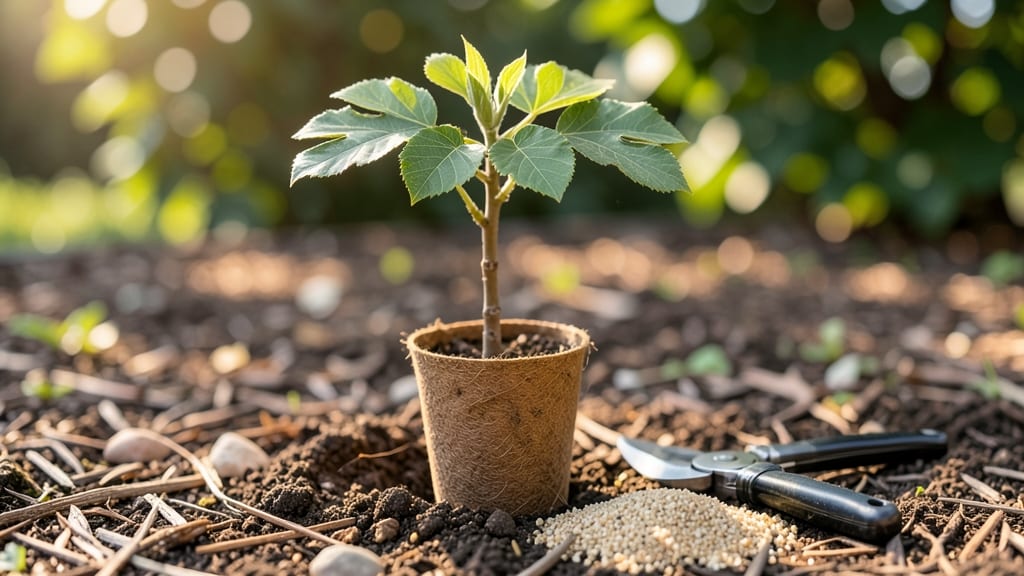
Growing pecan tree sprouts from seed is the most rewarding way to start your own orchard—just don’t expect instant shade trees. 🌱 The key to healthy growth begins with proper soil prep and patience, since pecan seeds can take 6-12 months to sprout under ideal conditions.
I’ve learned that rushing the process leads to weak, leggy seedlings that struggle to establish roots.
You’ll need well-draining soil mixed with compost, a sunny spot with at least 6 hours of direct light daily, and consistent moisture without waterlogging.
Pecan trees thrive in warm climates but can start indoors in Zone 7 and above—just move them outside after the last frost when they’re sturdy enough to handle cooler nights. The first few leaves will be tiny and delicate, so protect them from strong winds.
By the time your sprouts reach 12 inches tall, you’ll notice thicker stems and the first signs of true pecan leaves—those lobed, toothy shapes that distinguish them from other nut trees.
With proper care, you’ll have a 10-foot tree in 3-5 years, though full nut production takes 5-7 years of dedicated growing. The real payoff comes when you’re harvesting your own pecans decades later.
Common pitfalls include overwatering (which causes root rot) or planting too deep (which stunts growth). If your sprouts yellow or wilt, check for compacted soil or pests like aphids.
The good news? Once established, pecan trees are drought-tolerant and require minimal care beyond annual pruning. Here’s how to keep them thriving from the very first sprout.
📚 In This Guide
- What you need
- Instructions
- Tips and common mistakes
- Wrapping up and next steps
What you need
- ● Pecan tree seeds: 5–10 fresh, high-quality pecan seeds (preferably from a local pecan tree for better adaptation).
- ● Potting soil: 1–2 bags (10–15 lbs each) of well-draining, slightly acidic potting mix (pH 5.5–6.5).
- ● Containers: 3–5 small pots (4–6 inches in diameter) with drainage holes or a seed-starting tray.
- ● Grow lights or sunny windowsill: Access to 6+ hours of indirect sunlight daily or a full-spectrum LED grow light.
- ● Spray bottle: For gentle watering and maintaining humidity.
- ● Plastic wrap or humidity dome: To create a mini greenhouse effect.
- ● Pruning shears: Sharp, clean pair for future trimming (sterilize with rubbing alcohol).
- ● Fertilizer: Balanced, water-soluble fertilizer (5-10-5 ratio) for young sprouts.
- ● Seed stratification kit (if seeds aren’t pre-chilled) – mimics winter conditions for faster germination.
- ● Soil moisture meter – ensures optimal hydration without overwatering.
- ● Epsom salt (magnesium sulfate) – boosts nutrient uptake during early growth.
- ● Pecan tree growth charts – tracks milestones like leaf development and root length.
- ● Outdoor hardening-off tray – prepares sprouts for transplanting after indoor growth.
How to cultivate strong pecan tree sprouts from seed
Here's the method I've perfected over years of growing vigorous pecan seedlings—no shortcuts, just reliable results.
🌱 Step 1: Stratify Nuts for Maximum Germination
First, collect fresh pecans and remove any that show signs of damage or mold. Place them in a sealed container with slightly damp sand or vermiculite, then refrigerate for 90-120 days at 35-40°F. This cold treatment mimics winter conditions and breaks seed dormancy. I like to check them monthly—if any nuts develop mold, remove them immediately to prevent contamination.
After stratification, soak the nuts in warm water for 12-24 hours to soften the shell slightly. This step dramatically improves germination rates. You'll know they're ready when the water remains clear—cloudy water means the nuts need more time. Once soaked, plant them 2 inches deep in a well-draining mix of 50% potting soil and 50% perlite.
🪴 Step 2: Choose Containers and Prepare Growing Medium
Use individual 4-inch pots for each nut to prevent overcrowding, which leads to weak, tangled roots. Fill each pot with a sterile seed-starting mix—never garden soil, as it compacts too easily and can harbor pathogens. I add a handful of compost to each pot for extra nutrients, but avoid overdoing it, as too much organic matter can cause the mix to stay too wet.
Keep the soil consistently moist but not soggy. Pecan seedlings are particularly sensitive to root rot, so ensure your containers have drainage holes. After planting, place the pots in a humidity dome or cover them loosely with plastic wrap to retain moisture. This creates the ideal environment for germination, which typically occurs in 4-8 weeks, depending on your climate.
☀️ Step 3: Provide Ideal Light and Temperature Conditions
Once the sprouts emerge, move them to a location with bright, indirect light. A south-facing window works well, but avoid direct afternoon sun, which can scorch tender new leaves. If natural light is insufficient, supplement with a grow light positioned 6-12 inches above the seedlings. You’ll notice healthy growth when the first true leaves (not the initial seed leaves) appear—these should be dark green and firm.
Maintain soil temperatures between 70-80°F for optimal growth. If your home runs cooler, consider using a seedling heat mat to keep the roots warm. Over time, gradually acclimate the seedlings to outdoor conditions by placing them outside for 1-2 hours daily, increasing exposure by 30 minutes each day until they can stay out all day. This process, called hardening off, takes about 2 weeks and ensures the seedlings thrive once transplanted.
💧 Step 4: Water and Fertilize for Strong Seedling Development
Water the seedlings gently but thoroughly whenever the top inch of soil feels dry. Overwatering is the most common mistake—it causes root rot and stunted growth. I like to use a spray bottle for the first few weeks to avoid disturbing the delicate soil around the roots. Once the seedlings are established, switch to bottom-watering by placing the pots in a tray of water for 10-15 minutes, allowing the roots to absorb moisture naturally.
Start fertilizing 4-6 weeks after germination with a balanced, water-soluble fertilizer diluted to half strength. Pecan seedlings are light feeders, so too much fertilizer can burn their roots. Apply fertilizer every 2-4 weeks during the growing season, and always water the soil before and after applying it to prevent salt buildup. You’ll see strong, vigorous growth when the seedlings develop thick stems and lush foliage.
Tips & tricks for perfect pecan tree sprouts
These insider tricks will help you grow the strongest, healthiest pecan seedlings possible—without the guesswork.
Stratification Secret: Don't rush the 90-120 day cold treatment—this is non-negotiable for breaking pecan seed dormancy. I've tried shorter periods, and germination rates plummet dramatically. Use a refrigerator's crisper drawer for consistent 35-40°F temperatures, and check monthly for mold. A small fan on low setting in the container prevents moisture buildup that causes mold growth.
Soaking Test: The clear-water test after 12-24 hours soaking is your best quality indicator. Cloudy water means the nuts need more time—don't force planting. I've found that pecans with thicker shells often need the full 24 hours, while thinner-shelled ones may be ready in 12. Tap the nuts gently—if they sound hollow, they're ready to plant.
Lighting Strategy: Once your sprouts emerge, position them within 6-12 inches of your grow light for 12-14 hours daily. I use LED grow lights on a timer to automate this. Watch for leaves turning yellow—this is the first sign of light deficiency. True leaves should be dark green and firm, not pale or wilted. Rotate pots weekly to prevent lopsided growth toward the light source.
Hardening Off: The gradual 2-week hardening process is where most seedlings fail. Start with just 1-2 hours outside on mild days, then increase by 30 minutes daily. I've seen seedlings collapse overnight when moved too quickly. On cloudy days, extend outdoor time—direct sun during this period can scorch tender leaves. Always bring them back indoors before nightfall.
Pro Tips for Pecan Tree Sprouts
- These insider tricks will help you grow the strongest, healthiest pecan seedlings possible—without the guesswork.
- Stratification Secret: Don't rush the 90-120 day cold treatment—this is non-negotiable for breaking pecan seed dormancy.
- Soaking Test: The clear-water test after 12-24 hours soaking is your best quality indicator.
Frequently asked questions
Got questions about growing pecan tree sprouts?
You’re not alone! Here are answers to the most common concerns—from timing to troubleshooting—so you can nurture strong, thriving young trees with confidence.
When is the best time to plant pecan tree sprouts?
Plant pecan sprouts in early spring (after the last frost) or late fall (6-8 weeks before the first frost). Avoid planting in extreme heat or cold, as young roots are sensitive. If your climate has mild winters, spring is ideal—just ensure the soil is workable and not waterlogged.
How deep should I plant pecan tree sprouts?
Dig a hole 2-3 times wider than the root ball but only as deep as the container (or the root flare if bare-root). Planting too deep can suffocate roots, while shallow planting may expose them to temperature swings. Loosen the soil at the bottom to encourage root spread.
How often should I water pecan tree sprouts?
Water deeply 2-3 times per week for the first year, ensuring the soil stays moist but not soggy. Young pecan trees need consistent hydration, especially during dry spells. Mulch around the base (2-3 inches deep) to retain moisture and regulate soil temperature.
Why are my pecan tree sprouts turning yellow or wilting?
Yellowing leaves often signal overwatering or poor drainage, while wilting can mean underwatering or root stress. Check the soil moisture and ensure the tree isn’t planted too deep. Pests (like aphids) or fungal issues (like powdery mildew) can also cause problems—inspect leaves and treat with neem oil if needed.
Can I grow pecan trees from store-bought nuts?
Yes, but success rates are low! Pecan trees grown from nuts may take 10+ years to produce nuts and won’t match the quality of grafted varieties. For faster, more reliable growth, opt for nursery-grown sprouts or grafted trees. If experimenting, plant nuts in pots first to test viability.
Wrapping up and next steps
Growing pecan tree sprouts into thriving, productive trees is a rewarding journey that combines patience, care, and a little know-how.
By following the right steps—from selecting healthy sprouts to proper pruning and soil prep—you’ll set the stage for strong, vibrant growth. Now’s your chance to roll up your sleeves and nurture these future giants! 🌱
Ready to take the next step? Start small:
- Plant your first sprout this season and track its progress.
- Join local gardening groups for tips and support.
- Explore advanced techniques like grafting as your trees mature.