
Pruning
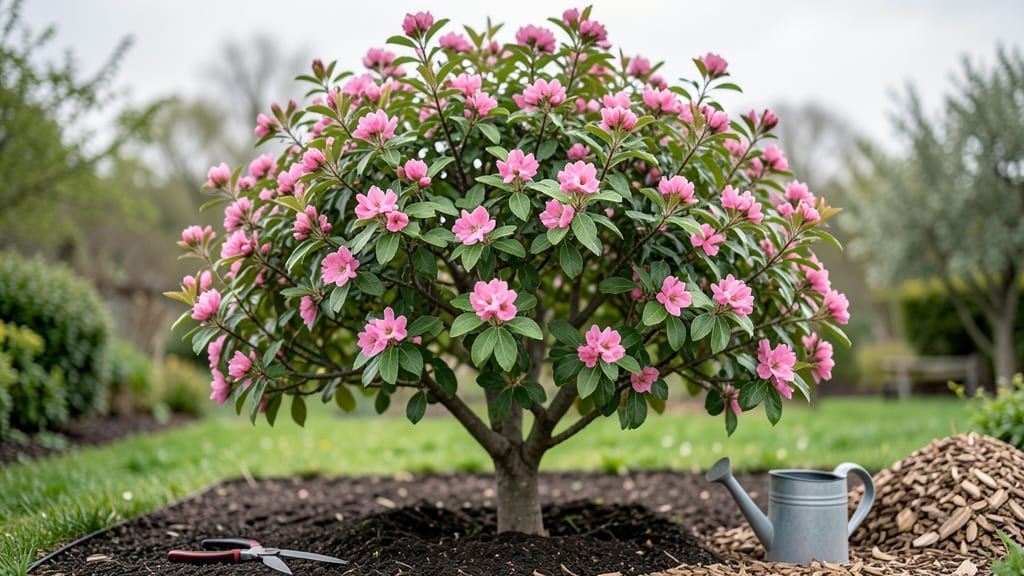
The pink flowering crabapple tree transforms any yard into a living watercolor painting with its showstopping blooms and four-season charm. 🌸 I planted mine last spring, and neighbors still ask what "magic" I used—it’s just the right tree in the right spot.
Unlike high-maintenance ornamentals, this tree thrives with minimal fuss while delivering bold color, delicate petals, and even edible fruit for birds. What makes it a designer’s dream?
The spring blossoms last weeks, the summer foliage stays lush, and the autumn fruit adds texture before winter’s bare branches become a winter interest feature. Pair it with dwarf conifers for contrast or azaleas for layered color—it anchors any landscape without stealing the show from other plants.
You’ll love how it softens hard lines while adding height and structure. The pink blooms reflect sunlight beautifully, and the dark green leaves provide a rich backdrop for perennials.
Even in small yards, its compact size (typically 15–25 feet) makes it versatile—plant it as a focal point or line a driveway for a romantic entrance. The best part? No pruning drama—just an occasional shape-up in late winter.
This tree does the work for you while keeping your garden looking effortlessly polished all year.
📚 In This Guide
- What you need
- Instructions
- Tips and common mistakes
- Wrapping up and next steps
What you need
- ● Ready to give your pink flowering crabapple tree the TLC it deserves? Here’s everything you’ll need to tackle pruning like a pro—whether you’re a seasoned gardener or just starting out! 🌸✂️
- ● Pro tip: 💡 If your tree is young (<3 years old), skip the saw and focus on hand pruners—smaller branches mean less mess and more precision!
Step-by-Step guide to planting and caring for a pink flowering crabapple tree
Here's how to establish a stunning pink flowering crabapple that thrives with minimal fuss.
🌱 Step 1: Choose and Prepare the Planting Site
Select a location with full sun exposure—at least 6-8 hours of direct sunlight daily. The tree adapts to various soil types but performs best in well-draining, slightly acidic soil with a pH between 5.0 and 6.5. Avoid low-lying areas where water pools, as soggy roots invite disease.
Here's the thing—pink flowering crabapples have shallow roots, so dig a hole twice as wide as the root ball but no deeper. Loosen the sides of the hole with a shovel to encourage root spread. If your soil is heavy clay, mix in 2-3 inches of compost into the bottom of the hole to improve drainage and aeration.
🌿 Step 2: Plant with Proper Spacing and Support
Position the tree so the top of the root ball sits 1-2 inches above ground level. This prevents soil from settling and smothering the trunk. Spread the roots gently outward, ensuring they aren't circling or bent. Backfill with native soil, tamping lightly every 6 inches to eliminate air pockets without compacting the roots.
For the first year, stake the tree only if necessary—these trees are naturally sturdy. If you do stake, use two stakes positioned 18-24 inches apart and attach with soft ties that won't girdle the trunk. Water deeply immediately after planting to settle the soil and remove any air gaps around the roots.
☀️ Step 3: Water and Mulch for Initial Establishment
Water the tree deeply 2-3 times per week for the first 6-8 weeks, providing about 1-2 gallons of water per irrigation. You'll know you're doing it right when water drains through to 12 inches below the soil surface. After that, reduce to once a week unless rainfall provides 1 inch of moisture.
Apply a 3-inch layer of organic mulch (like shredded bark) around the base, keeping it 6 inches away from the trunk to prevent rot. Mulch conserves moisture, regulates soil temperature, and suppresses weeds—just refresh it annually as it decomposes. Avoid piling mulch against the trunk; this creates a moist environment that invites pests and disease.
✂️ Step 4: Prune Strategically for Year-Round Health
Prune your pink flowering crabapple in late winter or early spring, just before buds swell. Remove any dead, diseased, or crossing branches first—these compete for energy and can spread problems. Cut back to a healthy lateral branch or bud, making the cut at a 45-degree angle just above the bud to encourage proper healing.
Real talk: These trees rarely need heavy pruning. Focus on shaping rather than thinning. Aim to open the center of the tree for airflow, which reduces disease risk. Never remove more than 25% of the canopy in one season, as this stresses the tree and can limit flowering. After pruning, sterilize your tools with rubbing alcohol to prevent spreading pathogens between cuts.
Tips & tricks for perfectly establishing a pink flowering crabapple tree
Took me years of trial and error to master these tricks—your tree will thank you for these simple adjustments.
Soil Prep Secret: Before planting, test your soil's pH with a simple kit from your local garden center. If your soil measures above 6.5, amend it with sulfur or peat moss to lower the pH gradually over a few months. I learned this the hard way after my first tree struggled in alkaline soil—now my second tree blooms like crazy every spring. The 2-3 inches of compost in heavy clay soil isn't just about drainage; it also introduces beneficial microbes that help young roots establish faster.
Planting Depth Visual: When positioning your tree in Step 2, use the root flare (where the roots meet the trunk) as your guide. The top of the root ball should sit just above this point—about 1-2 inches above ground level. I mark this spot with a pencil before planting to ensure perfect alignment. This small detail prevents soil from settling and smothering the trunk, which can cause rot and stunt growth. Think of it as creating a natural "waist" for your tree.
Watering Technique: For those first 6-8 weeks, I use a simple method to check proper watering: stick a long screwdriver into the soil after watering. It should slide in easily for the first 12 inches—this confirms you're hydrating the root zone. The 2-3 times per week guideline works best when you water deeply each time, rather than light sprinkles that only wet the surface. I set a timer for 30 minutes when watering to ensure consistent moisture penetration.
Mulch Maintenance: That 3-inch layer of mulch isn't just decorative—it's a living part of your tree's care routine. Refresh it annually in late winter, just before pruning season, to maintain its protective qualities. I always rake out old mulch completely before adding fresh, creating a clean barrier that prevents disease. The key is keeping it 6 inches away from the trunk; this small gap prevents moisture buildup that attracts pests and fungi. Think of it as creating a donut-shaped protection zone around your tree.
Pro Tips for Pink Flowering Crabapple Tree
- Took me years of trial and error to master these tricks—your tree will thank you for these simple adjustments.
- Soil Prep Secret: Before planting, test your soil's pH with a simple kit from your local garden center.
- Planting Depth Visual: When positioning your tree in Step 2, use the root flare (where the roots meet the trunk) as your guide.
Frequently asked questions
Got questions about your pink flowering crabapple tree? You’re not alone! Here are answers to the most common queries—from pruning tips to seasonal care—so you can keep your tree thriving with confidence.
When is the best time to prune a pink flowering crabapple tree?
The ideal time to prune is late winter or early spring (before buds break), but you can also do light pruning in summer to shape the tree. Avoid heavy pruning in fall, as it may encourage new growth that won’t harden off before winter. Pro tip: Remove dead, diseased, or crossing branches first to maintain airflow and health.
Do pink flowering crabapples produce edible fruit?
While the fruit is technically edible, it’s not recommended for human consumption—it’s small, tart, and often bitter. Birds and wildlife love them, though! If you’re concerned about mess, choose a pollination-sterile cultivar (like ‘Royalty’ or ‘Dolgo’) to skip the fruit entirely.
Why are the leaves turning brown or yellow?
Brown/yellow leaves usually signal fungal disease (like apple scab), pests (aphids/mites), or environmental stress. Start by checking the undersides of leaves for pests. For fungal issues, apply a copper fungicide in early spring. Improve drainage and mulch to reduce stress. Warning: Avoid overwatering—crabapples hate soggy roots!
Can I grow a pink flowering crabapple in a container?
Yes, but it’s challenging—these trees grow 20–30 feet tall! For containers, opt for a dwarf variety (like ‘Snowdrift’) and use a large pot (3+ feet deep) with well-draining soil. Repot every 2–3 years and move it outdoors in spring/summer. Note: Root-bound trees struggle to flower abundantly.
How do I prevent my tree from getting too leggy?
Leggy growth happens from over-pruning the top or poor light. To fix it:
- Prune selectively—cut back 1/3 of the tallest branches to encourage bushier growth.
- Ensure it gets 6+ hours of sunlight daily.
- Fertilize lightly in early spring with balanced 10-10-10.
Wrapping up and next steps
The pink flowering crabapple tree is a dream come true for gardeners who crave low-maintenance beauty with high rewards! 🌸 Its vibrant blooms, lush foliage, and minimal pruning needs make it a standout choice for year-round charm.
Whether you’re a seasoned pruner or a beginner, this tree delivers effortless elegance—just a few strategic cuts can keep it thriving for decades.
Ready to transform your landscape? Start by selecting the perfect spot—one with sunlight and space to grow—and grab your tools. With a little patience and care, your pink crabapple will reward you with seasonal splendor for years to come!