
Pruning
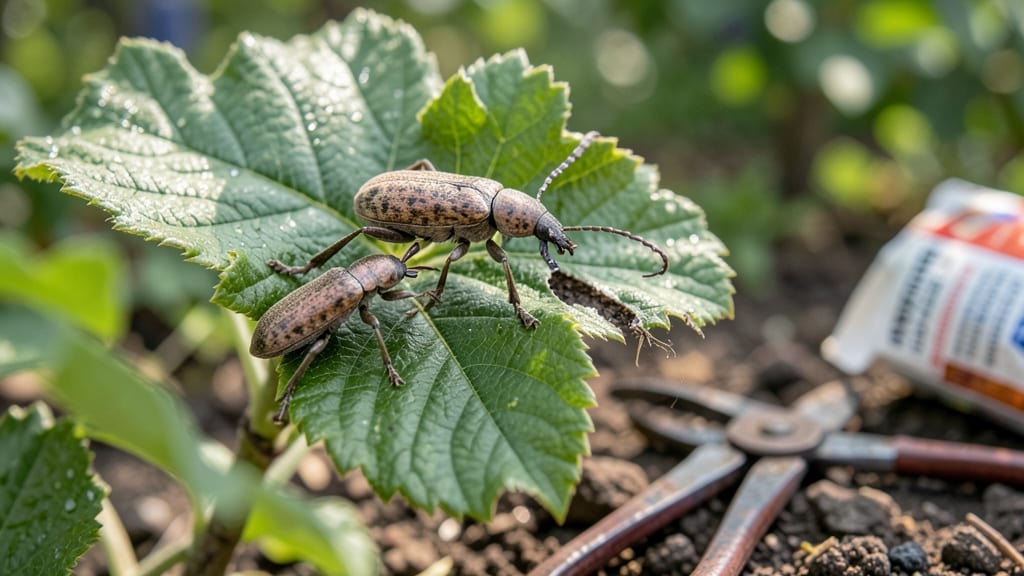
Plum trees get hit harder by insects than most fruit trees, and those tiny invaders can turn your harvest into a disaster if you don’t act fast. 🌿 I’ve watched entire crops ruined by pests that look harmless until it’s too late—then you’re left with chewed leaves, sticky sap, and fruit that falls before it ripens.
The good news? Most of these pests follow predictable patterns, so once you know what to look for, you can stop them before they cause real damage.
Here’s the thing—most gardeners wait until they see obvious damage, but by then it’s often too late. The key is early detection: checking leaves for tiny eggs, watching for sawdust-like frass (insect poop), or spotting webbing between branches.
I’ve found that a 10x magnifying glass and a flashlight are my best tools for spotting pests before they spread. A quick weekly inspection in spring and summer can save your entire tree.
You’ll learn to recognize the 10 worst offenders—from Japanese beetles to plum curculio—and how to eliminate them without harsh chemicals. Organic methods like neem oil sprays, beneficial nematodes, and pruning out infested branches work just as well as (or better than) store-bought pesticides.
The best part? Once you master these techniques, your plum tree will produce healthier fruit, stronger growth, and fewer headaches every season.
This isn’t just about fixing problems—it’s about preventing them before they start. We’ll cover seasonal monitoring schedules, companion plants that repel pests, and when to prune for maximum pest control.
Whether you’re dealing with a young sapling or a mature tree, these strategies will keep your plum tree thriving year after year.
📚 In This Guide
- What you need
- Instructions
- Tips and common mistakes
- Wrapping up and next steps
What you need
- ● Pruning shears – Sharp, bypass-style shears (8-10 inch blades) for trimming infested branches.
- ● Gloves – Heavy-duty, chemical-resistant gloves (nitrile or leather) to protect your hands.
- ● Insecticide spray – Choose a broad-spectrum insecticide labeled for plum trees (e.g., neem oil, pyrethrin, or carbaryl). Follow label instructions for dilution.
- ● Hose with nozzle – A high-pressure nozzle for rinsing off pests or diluting sprays.
- ● Ladder or step stool – For reaching higher branches safely (ensure it’s stable and rated for your weight).
- ● Plastic bags or buckets – For collecting pruned branches or fallen pests (1-2 gallon-sized bags or a 5-gallon bucket).
- ○ Disposable sprayer or backpack sprayer – A 2-4 gallon capacity for even coverage (optional but helpful for large trees).
- ● Hand lens or magnifying glass – To inspect insects closely (10x magnification recommended).
- ● Field guide or app – For identifying pests (e.g., iNaturalist or a plum tree pest ID book).
- ● Safety goggles – To protect your eyes when handling sprays or pruning near the face.
- ● Mask (N95 or dust mask) – For organic dust or chemical fumes (especially when using powdered insecticides).
- ● Beneficial nematodes – For targeting soil-dwelling pests like grubs (apply during cool, damp conditions).
- ● Reflective tape or flags – To mark treated areas and avoid over-spraying.
- ○ Tree wound dressing – For sealing pruning cuts (optional; some gardeners skip this).
- ● Camera or phone with macro mode – To document pests before/after treatment.
How to inspect and treat plum tree pests effectively
Here's how I tackle the most destructive critters—so your tree thrives instead of fights for survival.
🌿 Step 1: Identify Common Pests by Visual Clues
Start by examining leaves, bark, and fruit for telltale signs. Plum curculio adults leave half-inch slits in fruit skins, while Japanese beetles chew irregular notches along leaf edges. Aphids create sticky honeydew trails on branches, and borers reveal sawdust-like frass near entry holes.
Shake branches over a white sheet to spot crawling pests like spider mites or scale insects. I always check the undersides of leaves first—this is where mites and aphids hide in dense colonies. Use a 10x hand lens to inspect bark crevices for tiny eggs or larvae that aren't visible to the naked eye.
🌱 Step 2: Apply Targeted Organic Controls
For soft-bodied pests like aphids and mites, I spray a neem oil solution (1 tablespoon per quart of water) in the early morning when bees aren't active. Apply until leaves glisten—this ensures full coverage of hidden pests. Reapply every 7-10 days until infestations disappear.
For borers, inject beneficial nematodes into entry holes using a turkey baster. The nematodes seek out and kill larvae within the wood. I time this treatment in late spring when soil temperatures reach 60°F—below that, the nematodes become inactive. For Japanese beetles, handpick adults into soapy water during peak feeding hours (10 AM to 2 PM).
☀️ Step 3: Implement Preventative Barrier Treatments
Wrap the tree trunk with tree wrap in early spring to deter borers and sapsuckers. Secure it tightly but leave a 1-inch gap at the base to prevent moisture buildup. I also apply kaolin clay spray (1 tablespoon per gallon of water) every 2 weeks during peak pest seasons—this creates a protective film that confuses and repels many insects.
Prune out heavily infested branches immediately, sterilizing your pruners with rubbing alcohol between cuts. Dispose of pruned material in sealed bags—never compost it. Focus on removing branches with 50% or more damage, as partial pruning can stress the tree further.
✂️ Step 4: Monitor and Maintain Long-Term Health
Inspect your plum tree weekly during growing seasons, paying special attention to new growth areas where pests often concentrate. Keep the base of the tree clear of grass and weeds—these harbor pests and compete for moisture. I also encourage beneficial insects like lady beetles and parasitic wasps by planting nearby dill, fennel, or yarrow.
After major treatments, I fertilize with balanced organic fertilizer (10-10-10 ratio) to help the tree recover. Water deeply at the base once weekly during dry spells, ensuring the soil remains moist but not waterlogged. Healthy trees naturally resist many pests—this is the best long-term defense.
Tips & tricks for plum tree pest management
Real talk: Even the most vigilant gardeners miss early signs of infestation. Here's how I've learned to spot problems before they spiral—and how to fix them right.
Early Detection: In Step 1, when you're checking for half-inch slits from plum curculios, also look for tiny white eggs laid in clusters on the undersides of leaves. These hatch into larvae that devour fruit from the inside. I've caught infestations early by using a flashlight at dusk to inspect leaves—pests are most active then and easier to spot.
Timing is Everything: The 7-10 day reapplication window for neem oil in Step 2 is critical, but don't just follow the calendar—watch your tree. If you see new aphid clusters before the 7 days are up, treat immediately. I keep a small spray bottle of diluted neem oil (1 tablespoon per quart) ready for spot treatments between scheduled applications.
Nematode Application: When injecting beneficial nematodes for borers in Step 2, don't rush the process. The 60°F soil temperature requirement is non-negotiable, but I've found that waiting until soil hits 65°F gives the nematodes an extra boost of activity. Use a turkey baster to inject about 1 teaspoon of the nematode solution into each entry hole—this ensures proper coverage without wasting product.
Pruning Strategy: In Step 3, when removing heavily infested branches, I've learned to prioritize branches with fruit over those without. While both should be removed, fruit-bearing branches often harbor more pests. Sterilize your pruners between cuts with rubbing alcohol, but also wipe down the branch collar with a disinfectant cloth to prevent spreading any hidden pathogens.
Pro Tips for Plum Tree Insects
- Real talk: Even the most vigilant gardeners miss early signs of infestation.
- Early Detection: In Step 1, when you're checking for half-inch slits from plum curculios, also look for tiny white eggs laid in clusters on the undersides of leaves.
- Timing is Everything: The 7-10 day reapplication window for neem oil in Step 2 is critical, but don't just follow the calendar—watch your tree.
Frequently asked questions
Got questions about plum tree insects?
You’re not alone! Here are some of the most common concerns—plus quick, actionable answers to keep your tree thriving.
What are the most common insects that attack plum trees?
Plum trees face threats from pests like Japanese beetles, plum curculio, aphids, borers, and spider mites. Each targets different parts—leaves, fruit, or bark—so early identification is key. Check for chewed leaves, sticky residue (honeydew), or tiny holes in fruit.
When is the best time to treat plum tree insects?
Timing matters! Treat plum curculio and Japanese beetles in late spring to early summer when they’re most active. For aphids or mites, act at the first sign of webbing or discoloration. Borer prevention? Prune in dormant season (winter) to remove entry points.
Are there natural or organic ways to control plum tree insects?
Try neem oil (spray on leaves), insecticidal soap, or beneficial nematodes for grubs. Row covers deter beetles, and pruning removes infested branches. For severe cases, horticultural oil in dormant season smothers overwintering pests.
What should I do if my plum tree fruit is already damaged?
Don’t panic! Remove heavily damaged fruit to stop pest spread. For plum curculio or borers, dispose of infested fruit in sealed bags. Focus on protecting next year’s crop with preventive sprays and healthy tree care (watering, mulching, and balanced fertilizer).
How do I know if my plum tree is beyond saving?
If 50%+ of branches are dead, the tree is severely girdled by borers, or fungus (like silver leaf) has taken over, it may be time to remove and replace. Otherwise, aggressive pruning + treatment can often revive a struggling tree. When in doubt, consult a local arborist!
Wrapping up and next steps
Protecting your plum tree from pests doesn’t have to be overwhelming—just stay vigilant and act quickly! 🌳 By identifying the 10 most harmful insects and using the right tools (like neem oil, insecticidal soap, or pruning shears), you can keep your tree thriving. Remember: early detection is key!
Ready to take action? Start by inspecting your tree weekly and applying preventive measures today. Your plum tree—and future harvests—will thank you! 🍑✨