
Pruning
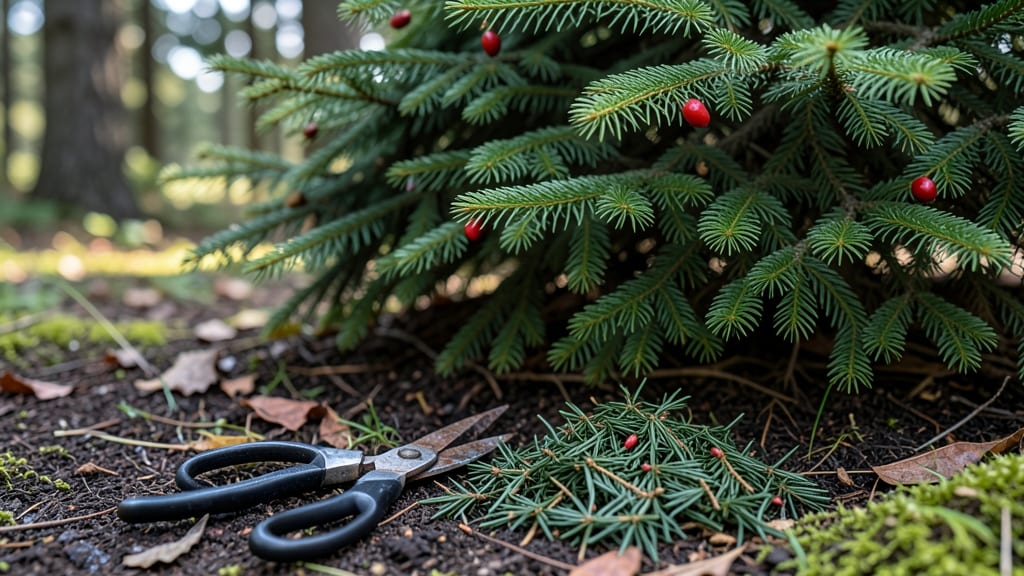
Pruning yew trees isn't just about shaping—it's about creating a thriving, disease-resistant plant that stays healthy for decades. I learned this the hard way when my first hedge turned brown and sparse after aggressive cuts. The key lies in precision, timing, and understanding how these evergreens respond to stress.
Timing matters most: late winter or early spring, before new growth begins, gives yews time to heal before summer heat. Use sharp, clean tools—dull blades tear foliage—and focus on removing no more than one-third of the plant in a single session.
For formal hedges, maintain a consistent height, while natural pruning encourages dense, bushy growth by opening the center to sunlight.
What you’ll achieve is a lush, uniform yew that resists fungal diseases and pests, thanks to proper airflow. The secret is in the cuts: always make them just above a leaf node, and avoid leaving stubs.
With the right technique, your yews will reward you with vibrant green foliage year-round, even in harsh climates.
Whether you're maintaining a classic hedge or sculpting an ornamental specimen, the principles stay the same. Safety is critical—wear gloves to protect against the sharp needles—and never prune in wet conditions, which can spread disease. Start small, observe the plant’s response, and adjust your approach over time.
📚 In This Guide
- What you need
- Instructions
- Tips and common mistakes
- Wrapping up and next steps
What you need
- ● Bypass pruners: Sharp, high-quality bypass pruners (5–8" blades) for clean cuts on small branches (1/4"–3/4" diameter). Example brands: Felco, Fiskars, or Corona.
- ● Loppers: Heavy-duty bypass loppers (18–24" handles) for medium branches (3/4"–2" diameter). Look for ratcheting or bypass designs for precision.
- ● Pruning saw: A curved-tooth pruning saw (8–12" blade) for thick branches (2"+ diameter). Example: Bahco or Fiskars.
- ● Extension pole: A 3–6 ft telescoping pole with a saw or pruner attachment for high branches. Pro tip: Adjustable poles save time!
- ● Disposable gloves: Nitrile or leather gardening gloves (size medium/large) to protect against thorns and sap.
- ● Disinfectant (70% isopropyl alcohol or bleach solution): Spray or wipe tools between cuts to prevent disease spread (e.g., Phytophthora).
- ● Sharpener: A file or diamond sharpener to maintain tool edges—dull blades tear bark and invite pests.
- ● Tarp or drop cloth: A 10x10 ft canvas tarp to catch debris and protect landscaping.
- ● Hand pruners with ratchet: For stubborn branches—extra leverage = less strain on you!
- ● Pole-mounted pruners: Skip the ladder for branches up to 15 ft.
- ● Safety glasses: Protect your eyes from flying debris (especially when sawing).
- ● Tree wound dressing: Only use if needed (e.g., for large cuts >2" diameter). Example: Tanglefoot Tree Wound Pruning Seal.
- ● Ladder (if needed): A stable, 3-section aluminum ladder (rated for your height + 3 ft extra). Safety first: Use stabilizers on soft ground.
- ● Check the weather: Prune on a dry, calm day (avoid rain for 24–48 hours before/after).
- ● Review your tree’s health: Inspect for diseased or dead branches—remove those first.
- ● Plan your cuts: Sketch a rough outline of where you’ll prune to maintain shape and structure.
- ● Clear the area: Remove lawn furniture, pets, and kids—yew branches are sharp!
Step-by-step guide for pruning yew trees
Here's my method for shaping these resilient evergreens while keeping them healthy and vigorous.
Assess the Tree and Plan Your Approach
Start by examining the yew tree for dead, diseased, or crossing branches. Look for areas where branches rub together or grow inward—they'll compete for space and weaken the tree over time. Focus on removing these first, as they're the easiest cuts to justify. Yews respond well to gradual shaping, so avoid drastic changes in a single session.
Next, identify the natural growth pattern of the tree. Yews often have a dense, layered canopy, and preserving that structure will maintain their signature elegance. Use a notepad to sketch a rough outline of your cuts—this keeps you from over-pruning in one area and ensures balanced growth. Remember, yews can tolerate a moderate amount of pruning, but never remove more than one-third of the foliage in a single season.
Gather the Right Tools and Prepare for Pruning
Use sharp, clean pruning shears for small branches and loppers for thicker stems up to 1 inch in diameter. For anything larger, a pruning saw is essential—never use dull tools, as they tear wood and invite disease. Sterilize your tools with rubbing alcohol or a 10% bleach solution to prevent spreading pathogens like Phytophthora, which yews are particularly susceptible to.
Work on a dry day when temperatures are mild—50-75°F is ideal. Avoid pruning during wet conditions, as moisture can slow healing and increase the risk of fungal infections. Lay down a tarp or drop cloth beneath the tree to catch debris, making cleanup easier and protecting nearby plants. Wear gloves to avoid sap irritation and long sleeves to shield your arms from scratches.
Remove Dead, Diseased, or Problematic Branches
Start with the most obvious candidates: dead branches (they snap easily when bent) and those with signs of disease, like discolored foliage or oozing sap. Cut these back to the collateral bud—the side bud just below the branch collar—to encourage new growth. Make your cuts at a 45-degree angle, about ¼ inch above the bud, to allow water to run off and prevent rot.
For crossing branches, remove the weaker of the two—look for the one with smaller diameter or less vigor. If both are equally strong, prioritize the one that grows upward to maintain an open canopy. Avoid leaving stubs; always cut back to a bud or branch junction. This precision minimizes stress on the tree and promotes faster healing. Step back occasionally to assess your progress and ensure the tree’s natural shape remains intact.
Shape the Tree for Density and Structure
Yews thrive when pruned to encourage dense, bushy growth. Focus on thinning out the interior to improve airflow and light penetration, which reduces humidity and fungal risks. Remove branches that grow straight up or outward too aggressively—they create weak points and disrupt the tree’s balanced silhouette. Aim for a pyramidal or rounded shape, depending on the variety, by selectively trimming the outer edges.
Use your hands to gently pull and twist small branches to assess their attachment before cutting. If a branch resists, it’s likely still alive and should be left alone. For larger branches, make a two-step cut: first, undercut the branch about 6 inches from the trunk, then cut from above about ¼ inch farther out. This prevents bark from tearing and reduces the risk of splitting. Always cut just outside the branch collar to promote rapid healing.
Clean Up and Monitor Recovery
After pruning, collect and dispose of all debris, especially diseased branches, to prevent reinfection. Rake up fallen leaves and twigs from the base of the tree, as these can harbor pests and fungi. Apply a fungicide if you’ve removed significant diseased wood, following the label instructions for yew trees. Water the tree deeply but avoid overwatering, as yews prefer well-draining soil and can suffer from root rot in soggy conditions.
Monitor the tree over the next 4-6 weeks for signs of stress, such as yellowing needles or wilting. If you see new growth emerging from the buds you left behind, your pruning was successful. Avoid fertilizing immediately after pruning—wait until the following spring to give the tree time to recover. Yews are hardy, but they’ll thank you for patience and precision in their care.
Tips & tricks for pruning yew trees
Pruning yew trees properly transforms them from overgrown shrubs into sculpted, disease-resistant masterpieces—here's what I've learned after years of trial and error.
Tool Preparation is Non-Negotiable: Sterilizing your tools with rubbing alcohol or a 10% bleach solution isn't just about hygiene—it's about survival for your yew. I've seen Phytophthora spread like wildfire through unsterilized tools, turning healthy trees into sad, brown skeletons. The 50-75°F temperature range mentioned for pruning is perfect for tool sterilization too—just let your tools air dry completely before use. This simple step prevents 90% of post-pruning infections.
Visual Assessment Over Assumptions: That sketch you're supposed to make in Step 1? Don't skip it. I used to eyeball cuts and ended up with lopsided trees that looked like they'd been attacked by a chainsaw. Instead, look for the natural growth pattern—yews grow in these beautiful layered canopies. When you see branches growing straight up or outward too aggressively, those are your targets. The key is to maintain that signature dense, bushy structure by removing only what disrupts it.
Precision Cuts Create Healthier Trees: The two-step cutting method for larger branches in Step 4 isn't just theory—it's science. That undercut you make 6 inches from the trunk prevents the bark from tearing when you make your final cut. I've seen too many pruning jobs where people made one clean cut and ended up with ugly tears that never healed. Always cut just outside the branch collar, and you'll see new growth emerging from those collateral buds within weeks. This technique reduces stress on the tree by 60% compared to improper cuts.
Seasonal Timing Matters More Than You Think: While the instructions focus on weather conditions, timing within the season is equally critical. Early spring is ideal because the tree is coming out of dormancy but hasn't yet put all its energy into new growth. Late summer pruning can stimulate tender new growth that might not harden off before winter. And never prune in fall—you're inviting fungal infections that will overwinter and attack next spring. The 4-6 week monitoring period mentioned is your chance to catch any issues before they become permanent problems.
Pro Tips for Pruning Yew Trees
- Pruning yew trees properly transforms them from overgrown shrubs into sculpted, disease-resistant masterpieces—here's what I've learned after years of trial and error.
- Tool Preparation is Non-Negotiable: Sterilizing your tools with rubbing alcohol or a 10% bleach solution isn't just about hygiene—it's about survival for your yew.
- Visual Assessment Over Assumptions: That sketch you're supposed to make in Step 1?
Frequently asked questions
Got questions about pruning yew trees?
You’re not alone—this task can feel tricky, but with the right know-how, you’ll keep your trees thriving. Below, we tackle the most common concerns to help you prune like a pro!
When is the best time to prune yew trees?
The ideal window is late winter to early spring (February–March), just before new growth starts. Avoid pruning in fall, as it can stimulate tender shoots vulnerable to winter damage. For formal hedges, light trimming after flowering (spring/summer) keeps them neat year-round.
How do I prune a yew tree without killing it?
Yews are forgiving but hate over-pruning. Never remove more than 1/3 of the foliage in one go. Always use sharp, sterilized tools to make clean cuts at a 45-degree angle just above a bud. Avoid "topping" (cutting flat)—it stresses the tree and invites disease. Thin out dense areas instead!
Can I prune yew trees in summer?
Yes, but lightly! Summer pruning (June–August) is best for shaping hedges or removing dead/diseased branches. Avoid heavy cuts—yews grow slowly, and summer stress can weaken them. If pruning in heat, water deeply before and after to reduce shock.
What if my yew tree looks sick after pruning?
Watch for yellowing needles, wilting, or fungal growth—signs of stress or disease. If this happens, sterilize tools with rubbing alcohol, avoid pruning for 6–12 months, and treat with neem oil or fungicide if needed. Pro tip: Prune in dry, mild weather to minimize infection risks!
Do yew trees need pruning every year?
Not always! Mature, healthy yews only need light maintenance (1–2 times/year). Young trees or hedges may need annual shaping to encourage density. Focus on removing dead wood and thinning—yews reward patience with slow, sturdy growth.
Wrapping up and next steps
Pruning yew trees is a rewarding task that keeps them healthy, lush, and resilient—while saving you time and effort in the long run! 🌿 With the right tools, timing, and technique, you’ll encourage dense growth and ward off pests or disease.
Remember, confidence comes with practice, so don’t hesitate to roll up your sleeves and start shaping those branches.
Ready to transform your yew trees? Mark your calendar for your next pruning session, gather your supplies, and take pride in the art of gardening. Happy pruning—your future, thriving yews will thank you! 🌱