
Pruning
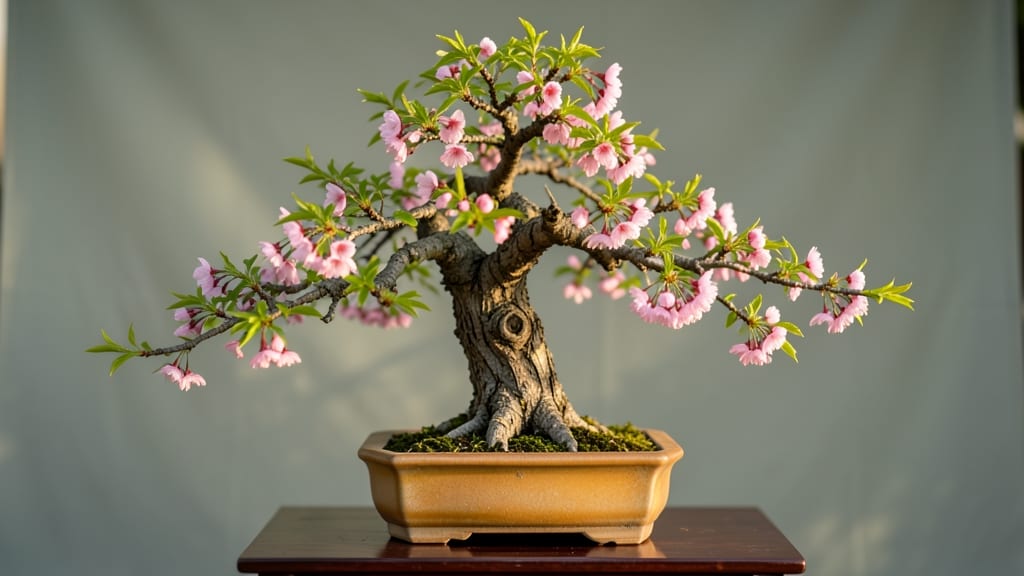
Creating a sakura tree bonsai that bursts with delicate pink blossoms feels like bottling springtime in a pot. 🌸 The secret lies in patient pruning and seasonal timing—what works for a full-sized cherry tree doesn’t translate to a miniature masterpiece.
I’ve spent years refining my approach, and the difference between a leggy, sparse bonsai and one covered in flowers comes down to when and how you trim.
The right variety matters—Prunus serrulata ‘Kanzan’ or ‘Shidare’ are beginner-friendly choices that reward careful pruning with dramatic blooms. You’ll need well-draining soil, a shallow tray for watering, and the discipline to trim back new growth after each flush of flowers.
Winter protection is critical: wrap the pot in burlap and move it to a sheltered spot before temperatures drop below 15°F.
By summer, you’ll see the payoff: a tree that looks like it’s been growing for decades, with a canopy so lush it seems impossible for something so small.
The key is balancing aggressive pruning after blooming with gentle shaping in spring—never remove more than a third of the foliage at once. Even experienced growers struggle with root pruning, but I’ll show you how to do it without shocking the tree.
This method works for both indoor winter displays and outdoor spring showcases. The first year is about establishing structure; by year three, you’ll have a bonsai that draws admiring glances and fills your home with the scent of cherry blossoms. Let’s get started—your miniature sakura is waiting.
📚 In This Guide
- What you need
- Instructions
- Tips and common mistakes
- Wrapping up and next steps
What you need
- ● Sakura Tree Seedling or Young Tree: Choose a Prunus serrulata (Japanese cherry) sapling, 3–5 years old, with a sturdy trunk (1–2 inches in diameter).
- ● Bonsai Pot: 1 shallow, well-draining pot (10–12 inches wide) with drainage holes. Terracotta or ceramic is ideal.
- ● Bonsai Soil Mix: 1 bag (5–10 lbs) of akadama, pumice, and lava rock (ratio: 50% akadama, 30% pumice, 20% lava rock).
- ● Pruning Tools: 1 pair of concave bonsai shears (for branch cuts).
- ● 1 sharp bonsai knife (for root pruning and fine trimming).
- ● 1 wire cutter (for removing training wires).
- ● Aluminum or Copper Wires: 2–3mm gauge, 1–2 rolls (for shaping branches).
- ● Root Hook: 1 stainless-steel root hook (for loosening roots during repotting).
- ● Mulch: 1 bag of organic mulch (e.g., pine bark fines) for moisture retention.
- ● Humidity Tray: 1 plastic tray with pebbles (to maintain moisture-loving sakura roots).
- ● Fertilizer: 1 bottle of balanced bonsai fertilizer (e.g., 10-10-10 NPK) or organic cherry tree fertilizer.
- ● Grafting Tools: If propagating from cuttings, add a grafting knife and sealing wax.
- ● Decorative Elements: Miniature rocks, moss, or a bonsai display stand for that wabi-sabi aesthetic.
Step-by-step seasonal trimming for sakura tree bonsai
Mastering this delicate art transforms your bonsai into a living cherry blossom masterpiece.
🌱 Step 1: Prepare Tools and Timing for Spring Pruning
Spring is when your sakura tree bonsai awakens, and precise timing matters most. Begin pruning just after the last frost, when new growth starts but before buds fully swell. I use sharp bonsai shears and a sterilized concave cutter—dull tools crush branches and invite disease. Clean your tools with rubbing alcohol before touching any branch; sakura bark is delicate and prone to infection.
Here's the thing—you're not just trimming branches. You're sculpting the bloom canopy. Observe how light filters through the branches; your goal is to maintain an open, airy structure that allows sunlight to reach inner buds. I like to make a small test cut on a secondary branch first to check the wood's resilience—if it snaps cleanly, you're ready to proceed.
✂️ Step 2: Remove Winter Damage and Shape the Canopy
Start by removing any dead or crossing branches at their base. Sakura trees grow vigorously, and crowded branches compete for nutrients, weakening the bloom quality. I target branches thinner than a pencil first—these rarely produce meaningful flowers and can be pruned back to the nearest outward-facing bud. Make cuts at a 45-degree angle just above the bud to encourage new growth in the right direction.
Next, focus on the canopy's silhouette. Sakura bonsai thrive with a natural, slightly irregular shape that mimics their wild counterparts. Step back frequently—about 6 feet away—to assess the overall form. If one side looks heavier, selectively trim branches there to restore balance. Remember, you're not creating symmetry; you're enhancing the tree's natural elegance. The goal is 30-40% reduction in overall foliage during spring pruning.
☀️ Step 3: Summer Maintenance for Healthy Bloom Buds
Summer is about nurturing, not drastic cuts. Monitor your bonsai weekly for new growth, particularly on branches you pruned in spring. When you see new leaves emerge that are half the size of mature ones, it's time for a light pinch-back. Use your fingers to gently remove the top ¼ inch of the newest growth—this encourages bushier, more compact branching that supports heavier bloom loads.
Here's where it gets technical: watch for flower buds forming in late summer. These appear as small, rounded swellings along the branches. Never prune these off—each bud represents next year's blossoms. If you accidentally cut one, don't panic; sakura trees are resilient. Simply focus on protecting the remaining buds by ensuring your bonsai gets at least 6 hours of morning sun daily and consistent moisture without waterlogging.
⏰ Step 4: Autumn Preparation for Winter Dormancy
As temperatures drop below 50°F at night, your sakura bonsai begins its dormant phase. This is when you'll perform your final trimming of the year. Reduce foliage by another 20-30%, focusing on branches that grew excessively during summer. The key is to create space between branches—this improves air circulation and prevents fungal diseases that thrive in damp, crowded canopies.
I always finish autumn pruning by applying a light layer of bonsai soil around the base to insulate roots. Here's a pro tip: wrap the trunk and major branches with burlap or tree wrap to protect against winter winds and freezing temperatures. Sakura bark is sensitive to cold damage, and even a single hard frost can scar the trunk permanently. Place your bonsai in a location that shields it from north and west winds—these directions bring the coldest, driest air.
🌿 Step 5: Post-Bloom Care After Spring Flowers Fade
After your sakura tree finishes blooming, resist the urge to prune immediately. Wait until all flowers have fallen and new leaf growth appears—usually 4-6 weeks after peak bloom. This timing ensures you don't accidentally remove next year's flower buds hidden among the new foliage. When you're ready, perform a light structural pruning, focusing on branches that grew too long or thick during the bloom season.
Real talk: this is where many bonsai enthusiasts make their biggest mistake. They over-prune after flowering, thinking it will encourage more blooms. But sakura trees need their energy reserves to develop flower buds for the following year. I limit post-bloom pruning to no more than 15% of the canopy and avoid cutting back into old wood—new growth should always come from the current season's branches.
Tips & tricks for perfect sakura tree bonsai trimming
Transforming your sakura bonsai into a flourishing bloom masterpiece requires precision—and these key insights will help you avoid common pitfalls while elevating your technique.
Timing is Everything: The window between last frost and bud swelling is your golden opportunity. I've learned the hard way that pruning too early (before new growth appears) stresses the tree, while waiting too long risks removing next year's flower buds. Check for swollen buds by gently pressing the bark—if it yields slightly, you're still safe to trim. The key is to work when the tree is actively growing but hasn't yet committed to flowering.
The 45-Degree Rule: Every cut should be made at a precise 45-degree angle just above an outward-facing bud. This isn't just about aesthetics—it's about directing the tree's energy. I use a small protractor on my shears to ensure consistency. The angle creates a natural water runoff path, preventing rot, while positioning the bud to grow in the direction you want. For branches thicker than a pencil, make the cut slightly larger to accommodate the bud's growth potential.
Seasonal Reduction Targets: Spring calls for a bold 30-40% foliage reduction to shape the canopy, while autumn's 20-30% trim focuses on air circulation. I track these percentages by counting branches before and after pruning—it's shocking how quickly numbers add up! Remember, sakura trees bloom on old wood, so preserve last year's branches while removing only the new, vigorous growth that would compete for nutrients.
Winter Protection Secrets: Beyond wrapping with burlap, I've found that placing a small heat mat (set to low) near the base during extreme cold snaps prevents root damage. For indoor bonsai, position your tree near an east-facing window where morning sun warms the bark gradually. The critical 50°F threshold isn't just about nighttime temps—it's about consistent temperature stability that prevents shock to the delicate cambium layer.
Pro Tips for Sakura Tree Bonsai
- Transforming your sakura bonsai into a flourishing bloom masterpiece requires precision—and these key insights will help you avoid common pitfalls while elevating your technique.
- Timing is Everything: The window between last frost and bud swelling is your golden opportunity.
- The 45-Degree Rule: Every cut should be made at a precise 45-degree angle just above an outward-facing bud.
Frequently asked questions
about sakura tree bonsai pruning—because even the most delicate blooms deserve clarity!How often should I prune my sakura bonsai for blooms?
Prune your sakura bonsai twice a year: lightly after flowering (late spring) to shape growth, and heavily in late summer (July-August) to encourage next year’s buds. Avoid pruning during dormancy (winter) or bloom season—this disrupts flower formation!
Can I use regular pruning shears, or do I need special tools?
Regular bypass pruners work for most cuts, but invest in concave-tip shears (for branch collars) and a fine-tip branch cutter for tiny branches (<1/8"). Sharpness is key—dull tools crush branches, inviting disease. Disinfect blades with rubbing alcohol between cuts!
What if my sakura bonsai isn’t blooming? How can I fix it?
Bloom failure often stems from lack of dormancy or over-fertilizing. Try this:
- Chill treatment: Place outdoors in winter (if zone-hardy) or refrigerate pot for 6–8 weeks at 35–45°F.
- Reduce nitrogen: Switch to a high-phosphorus fertilizer (like 5-10-5) in late summer.
- Patience: Young trees (<5 years) may need 2–3 years to bloom.
Are there sakura bonsai alternatives with easier care?
Yes! If sakura’s delicate nature feels overwhelming, try these blooming bonsai with similar aesthetics but lower maintenance:
- Japanese Maple (Acer palmatum): Vibrant fall colors, forgiving pruning.
- Cherry Blossom (Prunus serrulata ‘Kanzan’): Hardier than sakura, prolific blooms.
- Crabapple (Malus spp.): Disease-resistant, compact, and fruit-bearing.
Why are my sakura bonsai leaves turning yellow?
Yellow leaves usually signal overwatering, nutrient deficiency, or root stress. Check these:
- Watering: Let soil dry 50% between waterings—sakura hates soggy roots.
- Repotting: If roots circle the pot, repot in spring with fresh akadama mix.
- Pests: Inspect for spider mites (tiny webs) or scale—treat with neem oil if found.
Wrapping up and next steps
Cultivating a sakura tree bonsai with a stunning bloom canopy is a rewarding journey that blends artistry and patience. By mastering seasonal trimming—especially during dormancy and post-bloom—you’ll shape delicate branches while preserving the tree’s health and beauty. 🌸 Remember, consistency and gentle hands are key!
Ready to take the next step? Start by observing your bonsai’s growth patterns and documenting each season’s progress in a small journal. Over time, you’ll refine your technique and create a masterpiece that flourishes year after year.