
Pruning
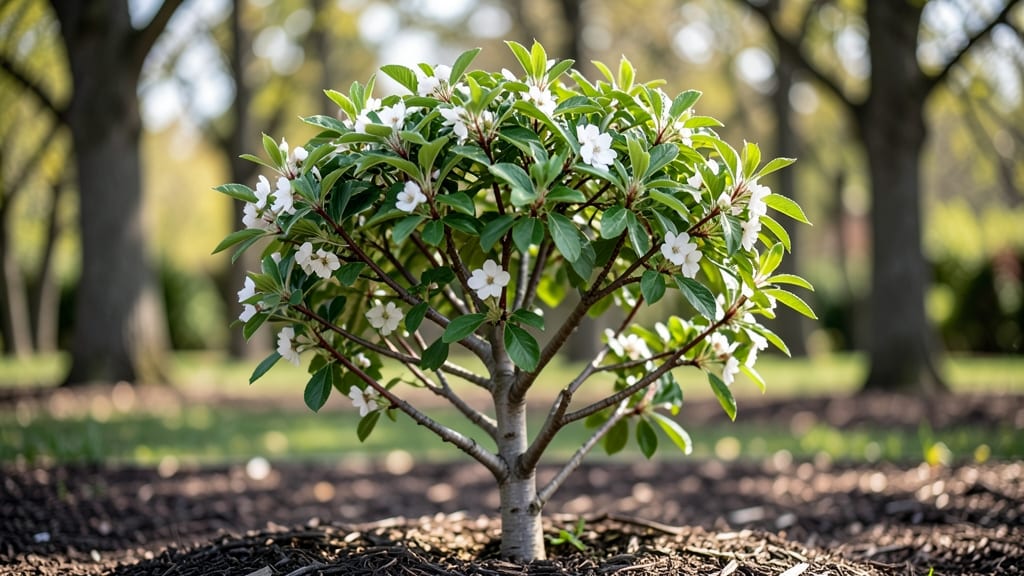
Growing a sweetheart cherry tree starts with a single, bold choice: a small tree that packs big flavor and stunning spring blooms into a compact package. 🌸 I planted mine last spring, and now it’s already outpacing larger varieties in both fruit production and ornamental value—all while staying neatly contained in a 10-foot space.
The secret isn’t just the tree itself, but how you train it from the beginning for both beauty and bounty.
Sweetheart cherries thrive in full sun and well-draining soil, but the real magic happens with pruning. Unlike traditional cherry trees, this variety responds beautifully to shaping, letting you control both its size and fruit load.
Start with basic cuts to open the center, then refine throughout the year—spring for shape, summer for growth control, and winter for cleanup. With the right approach, you’ll harvest pint-sized, heart-shaped cherries that taste sweeter than anything from the grocery store.
What makes this tree special is its dual purpose: in spring, it bursts with delicate pink blossoms, and by summer, you’re picking fruit that’s perfect for snacking or baking.
The key is consistency—water deeply once a week during dry spells, fertilize lightly in early spring, and prune strategically to encourage both flowers and fruit. Within three years, you’ll have a tree that’s as productive as it is pretty, with minimal fuss.
Whether you’re growing in a backyard, along a fence, or even in a large container, this tree adapts beautifully. Just remember: the more you prune in its early years, the easier it stays manageable later.
Ready to grow a tree that gives back in both beauty and flavor? Let’s get started with the basics.
📚 In This Guide
- What you need
- Instructions
- Tips and common mistakes
- Wrapping up and next steps
What you need
- ● Pruning shears: Sharp, bypass-style shears (for clean cuts on small branches). Size: 6–8 inches.
- ● Loppers: For thicker branches (up to 2 inches in diameter). Look for: Ratcheting or bypass blades for precision.
- ○ Pruning saw: Optional but handy for branches over 2 inches thick. Type: Curved-tooth saw for wood.
- ● Gloves: Heavy-duty, cut-resistant gloves to protect against thorns and rough bark.
- ● Disinfectant: 70% isopropyl alcohol or a pruning sealant (to prevent disease spread).
- ○ Extension pole: Optional for high branches (10–15 feet). Tip: Choose one with a ratcheting handle for stability.
- ● Marking twine or flags: To tag branches for removal (bright-colored twine or plastic flags work great).
- ● Bucket or tarp: For collecting debris (a 5-gallon bucket or heavy-duty tarp is ideal).
- ● Weather check: Prune on a dry, cloudy day (avoid wind or rain). Best time: Late winter/early spring (dormant season).
- ● Safety glasses: Protect your eyes from debris (especially when using a saw).
- ● Sturdy ladder: If needed (ensure it’s rated for your height and has non-slip feet).
- ● First-aid kit: Just in case! Include bandages and antiseptic wipes.
- ○ Tree map or sketch: Optional but brilliant—draw a quick diagram of your tree’s structure before pruning to stay organized.
How to prune a sweetheart cherry tree for maximum fruit and beauty
Here's the method I use to keep my tree producing sweet, abundant cherries while shaping it into a stunning focal point.
✂️ Step 1: Prune in Late Winter for Structure
Timing is everything with cherry trees—wait until late winter or early spring when the tree is still dormant, but just before buds swell. This is when the tree can heal fastest and you'll see the natural framework clearly. I grab my pruning shears and start by removing any dead, diseased, or crossing branches first—these are the obvious culprits that rob energy from fruit production.
Look for branches growing inward or rubbing against each other. These compete for sunlight and space, leading to smaller fruit and weaker wood. Cut these back to the trunk or a strong outward-growing branch. The goal is to create an open center that lets light and air circulate—this prevents fungal diseases that can ruin your harvest.
🌿 Step 2: Thin Out Overcrowded Branches
Now focus on thinning the canopy. Sweetheart cherries thrive when they get plenty of sunlight, so you'll want to remove about 20-25% of the total branches to improve airflow and fruit quality. Start at the outer edges and work your way inward, removing smaller branches that aren't producing well or are growing too close together.
Here's the thing—I always leave at least 3-4 strong branches on each scaffold limb (the main structural branches). These will bear the bulk of your fruit. You'll notice the tree's natural shape emerges as you prune. If a branch is too long, cut it back to a lateral bud that faces outward. This encourages bushier growth and better fruit distribution.
☀️ Step 3: Summer Pruning for Fruit Quality
About 6-8 weeks after flowering, do a light pruning to remove any suckers (those aggressive shoots growing from the base or along branches) and any branches that grew too vigorously after spring's flush. These suckers drain energy from your fruit production, so don't let them take over.
This is also when I check for water sprouts—those fast-growing, vertical shoots with no leaves. These never produce fruit and make the tree look messy. Simply cut them back to a lateral branch or bud. The key here is to keep the tree's energy focused on developing quality fruit rather than unnecessary growth.
⏰ Step 4: Light Winter Pruning for Shape
In mid-winter, do a quick check for any branches that grew out of balance during the previous season. You might find some that are too long or growing in awkward directions. Cut these back to maintain the tree's natural shape and keep it from becoming top-heavy with fruit.
I also look for any dead wood that might have formed during the year. Cherry trees are prone to silver leaf disease, which can kill branches, so remove any suspicious-looking wood immediately. This helps prevent the disease from spreading to healthy parts of the tree. A little maintenance now saves a lot of heartache later.
Tips & tricks for perfect sweetheart cherry tree pruning
Here’s what I’ve learned after years of shaping my own cherry tree—these tricks make all the difference between a healthy harvest and a struggle.
The Right Time is Everything: Late winter pruning (just before buds swell) gives your tree the best chance to heal quickly. I’ve seen too many gardeners prune too early or too late—both can stress the tree. If you miss the window, wait until early spring when buds are just starting to show. The goal is to let the tree heal before new growth begins.
Branch Selection Strategy: When thinning that 20-25% of branches in Step 2, prioritize removing branches that grow inward or cross over others. These compete for sunlight and nutrients, which directly impacts fruit size and quality. I like to work from the outside in—this opens up the center for better airflow and sunlight penetration. Think of it like creating a dome that lets light reach every branch.
Summer Pruning Secrets: That 6-8 week mark after flowering is critical for fruit quality. I’ve found water sprouts and suckers are sneaky—they look harmless but steal energy from your cherries. Cut them back to a lateral bud or branch, and you’ll notice a difference in fruit size by harvest time. The key is to keep the tree’s energy focused where it matters most.
Tool Maintenance Matters: Your pruning shears should be sharp and clean. Dull blades tear wood instead of making clean cuts, which invites disease. I sterilize my shears with rubbing alcohol between cuts on diseased branches. A little maintenance on your tools means a healthier tree—and fewer headaches during pruning season.
Pro Tips for Sweetheart Cherry Tree
- Here’s what I’ve learned after years of shaping my own cherry tree—these tricks make all the difference between a healthy harvest and a struggle.
- The Right Time is Everything: Late winter pruning (just before buds swell) gives your tree the best chance to heal quickly.
- Branch Selection Strategy: When thinning that 20-25% of branches in Step 2, prioritize removing branches that grow inward or cross over others.
Frequently asked questions
Got questions about nurturing your sweetheart cherry tree? You’re not alone! Whether you’re a pruning pro or just starting, these answers will help you keep your tree thriving year-round.
When is the best time to prune a sweetheart cherry tree for maximum fruit production?
Prune your sweetheart cherry tree during late winter or early spring (before buds swell but after severe cold snaps). Avoid pruning in fall—it can stimulate late growth vulnerable to frost damage. Light summer pruning (after harvest) helps air circulation but focus on winter for structural shaping. Pro tip: Sanitize tools with rubbing alcohol to prevent disease!
How long does it take for a sweetheart cherry tree to bear fruit after planting?
Patience is key! Sweetheart cherry trees typically take 3–5 years to bear fruit after planting, depending on climate and care. Young trees focus on root/leaf growth first. Ensure full sun (6+ hours/day), well-draining soil, and consistent watering to speed up fruiting. Bonus: Dwarf varieties may fruit sooner (2–3 years).
Why are my sweetheart cherries cracking open before ripening?
Cherry cracking (a.k.a. “splitting”) happens when trees get too much water after a dry spell or during rapid growth. To prevent it:
- Water deeply but consistently—avoid heavy rains post-drought.
- Mulch around the base to regulate soil moisture.
- Prune to reduce canopy density for even drying.
Can I grow a sweetheart cherry tree in a container? What size pot do I need?
Yes! Sweetheart cherries thrive in containers but need large pots (15–20 gallons) with drainage holes. Use lightweight potting mix and repot every 2–3 years. Place in full sun and water frequently (containers dry out faster). Note: Expect smaller fruit yields than in-ground trees. Dwarf varieties adapt best!
What’s a good alternative if my sweetheart cherry tree isn’t thriving?
If your tree struggles with disease, pests, or poor fruit set, consider these low-maintenance alternatives:
- Stella® cherry: Crack-resistant, self-pollinating, and disease-tolerant.
- Montmorency tart cherry: Hardy and great for pies/juice.
- Dwarf sour cherry: Compact, ideal for small yards.
Wrapping up and next steps
Growing a sweetheart cherry tree is a rewarding journey that combines patience, skill, and a deep appreciation for nature’s beauty. By mastering the art of strategic pruning—whether for spring blooms, summer fruit, or year-round structure—you’ll unlock a tree that thrives and delights for decades.
Remember, every cut is a step toward a healthier, more abundant tree, so embrace the process with confidence!
Ready to transform your sweetheart cherry tree into a stunning centerpiece? Start small: grab your tools, review your seasonal pruning calendar, and take on one task at a time. Before you know it, you’ll be savoring sweet cherries and admiring blossoms that turn heads in your neighborhood! 🌸✂️