
Pruning
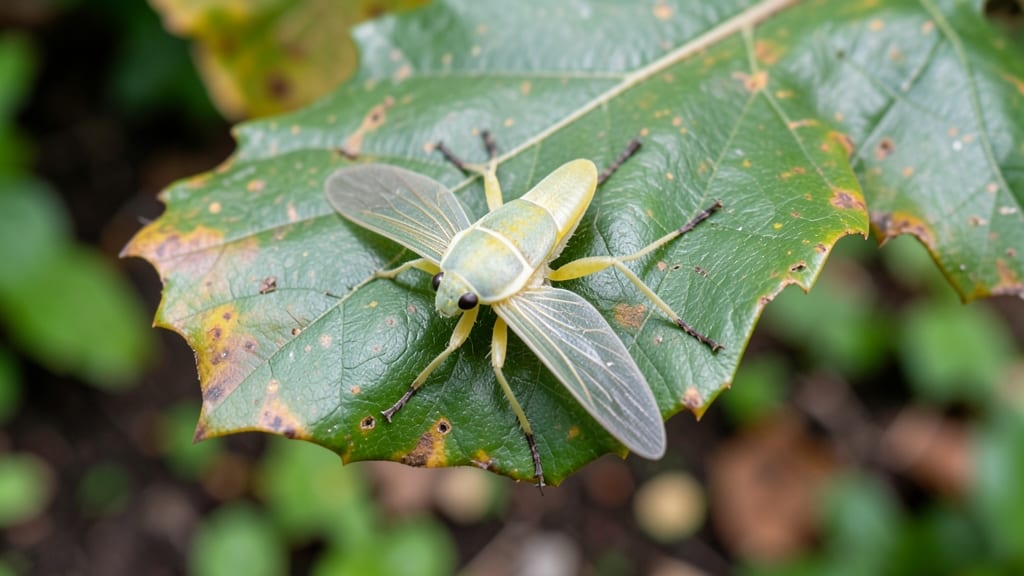
Browse these tree insects pictures to spot the culprits behind the tiny holes in your leaves or the sticky sap on the bark. Those aren’t just random blemishes—they’re signals from tree insects that could weaken or kill your trees if ignored.
I’ve spent years tracking down these pests, and the first step to saving your trees is knowing what you’re up against. A single image can reveal everything: the shape of the damage, the size of the insect, even the season when they strike hardest.
This isn’t about memorizing entomology textbooks—just recognizing the most common troublemakers like aphids, bark beetles, or tent caterpillars. Each leaves a distinct signature: curled leaves, sawdust-like frass, or webbing that looks like a ghostly shroud.
Once you spot these signs, you’ll know whether to prune, spray, or call in reinforcements (like ladybugs or birds). The key is acting fast before the damage spreads beyond repair.
You’ll walk away with a mental checklist for your next tree inspection: check the undersides of leaves, examine the bark for tunnels, and watch for sudden leaf drop. No more guessing games—just clear visual cues that tell you exactly what’s attacking your trees.
And the best part? Most of these pests can be managed without harsh chemicals if you catch them early.
Whether you’re dealing with a single infestation or want to prevent future attacks, this guide gives you the tools to protect your trees year-round. No more waiting until your oak looks like Swiss cheese—spot the problem, name the pest, and take action before it’s too late.
📚 In This Guide
- What you need
- Instructions
- Tips and common mistakes
- Wrapping up and next steps
What you need
- ● Smartphone or digital camera: A modern device with at least 10MP resolution (e.g., iPhone 12+, Samsung Galaxy S21+, or any DSLR with macro capabilities).
- ● Macro lens or close-up attachment: For 1:1 magnification (e.g., blank">Olymbus 45mm Macro Lens or a blank">smartphone clip-on macro lens like the Xenvo Pro).
- ● Tripod or stabilizer: A lightweight mini tripod (e.g., blank">JOBY GorillaPod) for steady shots.
- ● Hand lens (magnifying glass): 10x magnification for up-close inspection (e.g., blank">National Geographic Magnifying Glass).
- ○ UV flashlight (optional but helpful): Reveals invisible insect trails (e.g., blank">UV LED Flashlight).
- ● Notebook or digital note-taking app: For logging pest details (e.g., size, color, location, damage type).
- ● Ruler or measuring tape: To record insect size (inches/cm) for accurate ID.
- ● Field guide or insect ID app: Printed guide: The Tree Doctor’s Bible or BugGuide (free online resource).
- ● Apps: blank">iNaturalist, blank">PictureInsect, or blank">Google Lens (for instant ID).
- ● Small containers or bags: 2-3 resealable plastic bags (for collecting samples safely).
- ● Glove set: Nitrile gloves (for handling insects and protecting skin).
- ● Pruning shears: Bypass pruners (e.g., blank">Fiskars X26) for trimming infested branches.
- ● Safety gear: Safety goggles (e.g., blank">DeWalt Safety Glasses).
- ● Long sleeves & pants (to avoid bites/stings).
- ● Pest control options (if eradication is needed): Organic: blank">Neem oil spray, blank">soapy water (1 tsp dish soap + 1 quart water).
- ● Chemical (last resort): Systemic insecticide (follow label instructions!).
Step-by-Step guide to spotting and handling common tree pests
Here's how to recognize and address the most troublesome invaders before they damage your trees.
🌿 Step 1: Inspect Leaves for Visual Clues
Start by examining the undersides of leaves—this is where many pests hide. Look for tiny, crawling insects like aphids (clustered, pear-shaped bugs) or spider mites (almost invisible but leave webbing). Hold leaves up to a bright light to spot tiny eggs or larvae clinging to the surface.
Check for holes, chewed edges, or discoloration—these are classic signs of caterpillars or beetles. If you see sticky residue on leaves or branches, it’s likely from sap-sucking insects like scale or mealybugs. I always inspect at least 4 different branches per tree for a full picture.
🌿 Step 2: Examine Bark and Trunk for Damage
Run your fingers along the bark to feel for rough textures or tiny tunnels—these are signs of boring insects like bark beetles or woodborers. Look for sawdust-like frass (insect waste) at the base of the tree or near cracks in the bark.
If you spot small, round exit holes (about 1/8 inch wide), it’s a strong sign of wood-boring larvae. These pests weaken the tree’s structure over time, so early detection is key. I tap the trunk lightly with a stick—if you hear hollow sounds, the tree may already be compromised.
💧 Step 3: Check for Sap or Oozing Signs
Sap oozing from bark or branches is a red flag for aphids, scale, or other sap-sucking insects. These pests inject toxins that cause the tree to produce sticky honeydew. Wipe a finger across the bark—if it leaves a residue, pests are likely present.
If you see black sooty mold growing on the honeydew, it’s a secondary problem that blocks sunlight and weakens the tree further. This usually means the infestation has been ongoing for weeks. I recommend treating the tree immediately if you spot either of these signs.
✂️ Step 4: Prune Infested Branches Promptly
Use clean, sharp pruning shears to remove heavily infested branches—cut 6 inches below any visible damage or pest clusters. Seal the cuts with pruning paint to prevent disease entry. Bag the cut branches and dispose of them in sealed trash to avoid spreading pests.
For large trees, focus on removing branches with the worst infestations first. This reduces the overall pest population and gives the tree a fighting chance. I always sterilize my tools with rubbing alcohol between cuts to prevent cross-contamination.
🪴 Step 5: Apply Targeted Treatments
For soft-bodied pests like aphids or mites, a strong spray of water can dislodge them. Follow up with neem oil or insecticidal soap for a natural solution. Apply in the early morning or late evening to avoid harming beneficial insects.
For boring insects, inject a borax-based treatment directly into the holes using a nail and a small brush. For severe infestations, consult a local arborist about systemic insecticides that the tree absorbs through its leaves.
Tips & tricks for identifying and eradicating tree pests
Here’s what I’ve learned from years of battling tree pests—these tricks make the difference between catching problems early and losing your trees.
Visual Inspection Technique: In Step 1, when checking leaves, bring a small magnifying glass or use your phone’s camera with a 10x zoom feature. Many pests, like spider mites or tiny eggs, are nearly invisible to the naked eye. I’ve caught early infestations this way that would have gone unnoticed otherwise. Focus on the undersides of leaves and new growth where pests often cluster first.
Bark Texture Test: During Step 2, don’t just look at the bark—run your fingers along it. Healthy bark feels smooth and firm, while infested bark often has rough patches or tiny holes. If you feel sawdust-like frass, that’s a clear sign of wood-boring insects. I’ve saved trees by catching these early, before the damage became structural.
Honeydew Confirmation: In Step 3, if you see sticky residue, do the finger test: wipe your finger across the bark or leaves. If it leaves a sticky film, that’s honeydew—a sure sign of sap-sucking pests. This sticky substance also attracts ants, which can worsen the problem by protecting the pests. I always treat immediately after confirming honeydew.
Pruning Best Practices: When pruning in Step 4, cut at a 45-degree angle just outside the branch collar (the swollen area where the branch meets the trunk). This promotes faster healing. Also, sterilize your tools between cuts—even a small amount of sap or pest residue can spread infestations to healthy branches. I keep a small bottle of rubbing alcohol in my tool pouch for this exact purpose.
Pro Tips for Tree Insects Pictures
- Here’s what I’ve learned from years of battling tree pests—these tricks make the difference between catching problems early and losing your trees.
- Visual Inspection Technique: In Step 1, when checking leaves, bring a small magnifying glass or use your phone’s camera with a 10x zoom feature.
- Bark Texture Test: During Step 2, don’t just look at the bark—run your fingers along it.
Frequently asked questions
Got questions about tree insects? You’re not alone! Here are some of the most common concerns—and quick, practical answers to help you tackle them like a pro.
How do I tell if my tree has insects vs. disease?
Insect damage often looks like chewed leaves, holes, or sawdust-like frass (insect droppings). Diseases, however, may cause discolored spots, oozing sap, or fungal growths. Check for moving pests (like borers or aphids) with a flashlight or magnifying glass. If unsure, snap a clear picture and compare it to online databases like Invasive Species.
When is the best time to treat tree insects?
Timing depends on the pest! For most insects, early spring or late fall (when they’re most vulnerable) works best. Sawfly larvae or tent caterpillars? Act in May or June before they spin webs. Always treat after the insects emerge but before they cause major damage. Pro tip: Monitor your trees weekly—early action saves your tree!
Are there natural ways to get rid of tree insects?
Start with horticultural oil or insecticidal soap for soft-bodied pests like aphids. For borers, try beneficial nematodes or parasitic wasps. Prune and remove heavily infested branches (dispose of them in sealed bags). Prevention tip: Keep trees healthy with proper watering and mulching— Strong trees resist pests better!
What should I do if my tree is already dying from insects?
If the tree is severely weakened (wilting, no leaves, or dead branches), act fast:
- Isolate the tree to prevent spreading pests.
- Call an arborist for a professional assessment—some trees may need pruning, systemic treatments, or removal.
- Avoid DIY chemicals if the tree is beyond saving; they won’t revive it.
How can I take good pictures to identify tree insects?
Clear photos help experts (or AI tools) ID pests accurately. Use these tips:
- Zoom in on damage, eggs, or insects themselves.
- Capture both the pest and the tree’s reaction (e.g., holes + frass).
- Shoot in natural light (no flash) and include a coin or ruler for scale.
- Upload to iNaturalist or PestID for expert matches.
Wrapping up and next steps
From leaf-eating caterpillars to sap-sucking aphids, recognizing tree pests early can save your greenery—and your wallet! 🌳🐛 With the right tree insects pictures as your guide, you’re now equipped to spot, identify, and tackle infestations like a pro.
Remember: prevention is key, but swift action makes all the difference.
Ready to take it further? Grab your magnifying glass and inspect your yard this weekend—then share your finds (or victories!) with fellow gardeners. 🌟 Need help with a tricky pest? Book a consultation with a local arborist for a hands-on diagnosis!