
Planting
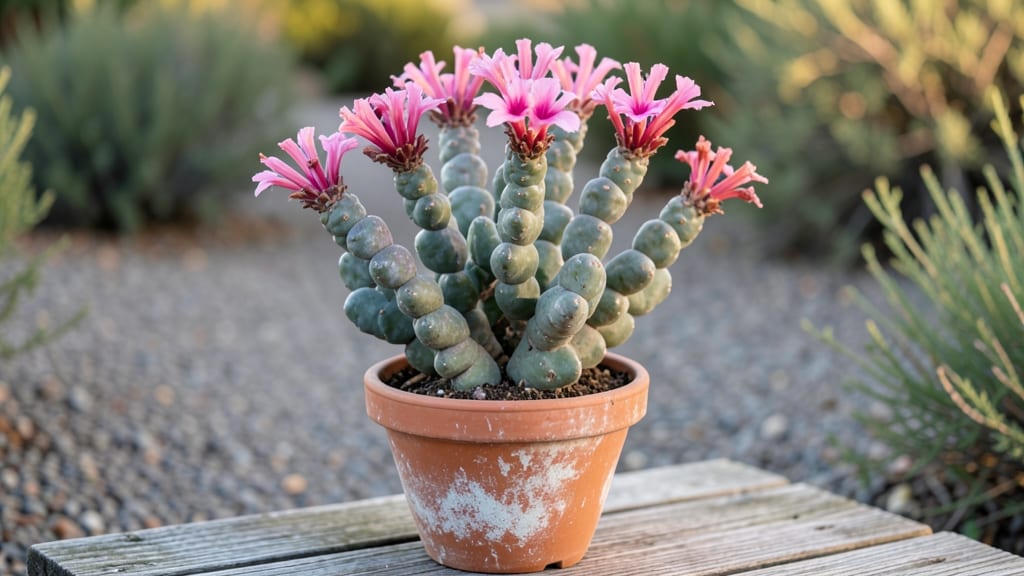
The tree of life plant (Portulacaria afra) thrives where others struggle—dry air, low light, and neglect. I’ve kept mine alive for years, even through winter when most houseplants give up. This succulent’s thick, glossy leaves store water like a built-in reservoir, making it the ultimate low-maintenance survivor.
Light is the key: bright, indirect sunlight keeps it lush, but it tolerates fluorescent lighting for indoor spots. Well-draining soil prevents rot, and watering just once a week (or less) keeps it happy.
The best part? It grows fast—12 inches tall in a year if you give it room. My plant now reaches the ceiling, and it’s still going strong.
You’ll end up with a vibrant green statement plant that purifies air and thrives indoors or outdoors. Prune it back in spring to encourage bushier growth, and watch it bounce back from any mishaps. Even my black thumb can’t kill this one.
Works in containers, hanging baskets, or as a small tree—adaptable to any space. Ready to grow yours? Let’s get started with the basics.
📚 In This Guide
- What you need
- Instructions
- Tips and common mistakes
- Wrapping up and next steps
What you need
- ● Tree of Life Plant: 1 healthy nursery-grown specimen (4"-6" pot size recommended for beginners).
- ● Well-draining soil mix: 60% cactus/succulent soil + 30% perlite + 10% coarse sand (or pumice). Pro tip: Avoid moisture-retentive blends!
- ○ Pot: 1 terracotta or ceramic pot (6"-8" diameter) with drainage holes. Optional: Upgrade to a decorative cachepot later!
- ● Gravel or pebbles: Small stones for a 1"-2" drainage layer at the pot’s base.
- ● Watering can: 1 with a narrow spout for precise hydration.
- ○ Humidity tray (optional): For occasional misting during dry spells.
- ● Fertilizer: 1 balanced liquid fertilizer (5-10-5 NPK) or slow-release granules.
- ● Pruning shears: Small, sharp pair for trimming dead growth.
- ○ Gloves (optional): To protect hands from mild sap irritation.
- ● Light: Bright, direct sunlight (6+ hours daily). South/west-facing windows or grow lights work best.
- ● Temperature: Warmth-loving! Keep between 65°F–85°F (18°C–30°C). Avoid drafts or AC vents.
- ● Patience: Slow grower—expect minimal changes for the first year!
- ● Knowledge: Research its toxic sap (keep away from pets/kids).
Step-by-step guide to cultivating a thriving Tree of Life plant
Here’s how to nurture this drought-resistant beauty into a stunning, long-lived centerpiece.
Select and Prepare the Right Container
The Tree of Life (Portulacaria afra) thrives in well-draining containers with at least 12 inches of depth for mature roots. I use unglazed terra cotta pots—they wick away excess moisture and prevent root rot, which this plant hates. Choose a container with multiple drainage holes to ensure water escapes freely.
Fill the bottom 2 inches with coarse gravel or perlite to create a drainage layer. This prevents soil compaction and mimics the rocky, arid conditions of its native habitat. Avoid garden soil—it retains too much moisture and suffocates roots. Instead, mix equal parts cactus/succulent mix with pumice for aeration.
Plant and Position for Optimal Light
Remove the Tree of Life from its nursery pot and gently loosen the roots if they’re circling. Place it in the prepared container, ensuring the top of the root ball sits just below the rim—this prevents water from pooling during irrigation. Press the surrounding soil lightly to secure the plant without compacting it.
Position your Tree of Life in bright, indirect light for the first 7–10 days to acclimate. Afterward, move it to a south- or west-facing window where it receives 6+ hours of direct sunlight daily. If indoors, supplement with a grow light placed 12–18 inches away for 12–14 hours per day. Leggy growth or pale leaves signal insufficient light—adjust immediately.
Water Deeply but Infrequently
Wait until the top 2 inches of soil feel completely dry before watering—this plant stores moisture in its thick stems, so overwatering is the fastest way to kill it. When you water, soak the soil thoroughly until water drains freely from the bottom. Empty the saucer afterward to prevent root rot.
Reduce watering in winter months to every 3–4 weeks, as growth slows dramatically. Yellowing leaves or mushy stems are red flags—cut back immediately and let the soil dry out completely. A moisture meter is worth its weight in gold here; it removes guesswork and keeps your Tree of Life happy.
Fertilize Sparingly for Healthy Growth
Feed your Tree of Life once in spring and once in summer with a balanced, water-soluble fertilizer diluted to half-strength. Over-fertilizing leads to weak, leggy growth and salt buildup in the soil. I use a 20-20-20 blend but switch to a low-phosphorus formula if I notice excessive leafy growth at the expense of compact stems.
After fertilizing, water deeply to rinse excess nutrients from the soil. Avoid fertilizing in fall or winter, as the plant enters dormancy. If you notice brown leaf tips or crispy edges, flush the soil with plain water to leach out accumulated salts—a common issue with frequent feeding.
Prune and Encourage Bushy Growth
Pinch back the top set of leaves in early spring to encourage branching. This mimics natural pruning and prevents the plant from growing too leggy. Use clean, sharp pruners to make 45-degree cuts just above a leaf node—this promotes denser foliage and a fuller shape.
Remove any yellow or damaged leaves throughout the year to redirect energy to healthy growth. If your Tree of Life outgrows its container, repot in spring using the same well-draining mix. Prune back one-third of the longest stems during repotting to stimulate new growth and prevent root-bound stress.
Tips & tricks for perfect Tree of Life plant care
Real talk: The secret to a thriving Tree of Life isn't just following the steps—it's understanding the little details that make all the difference. Here's what nobody tells you about keeping this resilient plant looking its absolute best.
Container Depth Matters: While the instructions specify a container with at least 12 inches of depth, I've found that for mature plants, going deeper—up to 16 inches—gives those extensive roots the room they need to establish properly. This is especially important if you're growing your Tree of Life as a bonsai-style specimen, where root development directly impacts the plant's stability and aesthetic. The extra depth prevents root binding that can stunt growth and make pruning more difficult later.
Light Transition Strategy: The 7-10 day acclimation period in bright indirect light is crucial, but here's what I do differently: I gradually increase direct sunlight exposure by moving the plant closer to the window by 2 inches each day. This mimics natural seasonal changes and prevents the shock of sudden full sun that can cause leaf scorch. For indoor growers, I recommend placing the plant on a rotating stand so all sides receive equal light exposure throughout the day.
Soil Mix Science: The equal parts cactus/succulent mix with pumice is a great start, but I add a secret ingredient: a handful of charcoal granules mixed into the top inch of soil. This helps prevent bacterial growth from overwatering and gives the soil a slightly alkaline pH that the Tree of Life prefers. The charcoal also helps neutralize any fertilizer salts that might accumulate over time, which is particularly important if you're growing in a container where nutrients don't get leached away naturally.
Winter Care Hack: While the instructions suggest reducing watering to every 3-4 weeks in winter, I've found that checking soil moisture with a moisture meter at the 3-inch depth (not just the top 2 inches) gives a more accurate picture of when your plant truly needs water. The Tree of Life's thick stems can store moisture for longer periods than you might expect, and checking deeper prevents both overwatering and underwatering during its dormant phase. I also move my plants to a slightly cooler location (around 55-60°F) during winter to better simulate their natural habitat's seasonal changes.
Pro Tips for Tree Of Life Plant
- Real talk: The secret to a thriving Tree of Life isn't just following the steps—it's understanding the little details that make all the difference.
- This is especially important if you're growing your Tree of Life as a bonsai-style specimen, where root development directly impacts the plant's stability and aesthetic.
- This mimics natural seasonal changes and prevents the shock of sudden full sun that can cause leaf scorch.
Frequently asked questions
Got questions about nurturing your Crassula ovata (aka Tree of Life plant)?
You’re not alone! Here are answers to the most common queries to keep your succulent thriving year-round.
How often should I water my Tree of Life plant?
Water your Tree of Life plant only when the soil is completely dry—usually every 2-3 weeks in summer and once a month or less in winter. Overwatering is the #1 killer! Stick your finger 1-2 inches into the soil; if it’s damp, wait. Pro tip: Ensure the pot has drainage holes to prevent root rot.
Can Tree of Life plants survive winter indoors?
These hardy plants thrive indoors year-round. Keep them in a spot with bright, indirect light (like an east or south-facing window) and reduce watering in winter. Avoid drafts or sudden temperature swings—ideal temps: 60-75°F. A sunny windowsill is perfect!
Why is my Tree of Life plant dropping leaves?
Leaf drop is usually a sign of overwatering or underwatering. Check the soil moisture first! If the leaves are wrinkled, it’s thirsty; if yellow or mushy, it’s drowning. Adjust your watering schedule and ensure proper drainage. Bonus: Low light can also cause stress—rotate the plant occasionally for even growth.
How do I propagate my Tree of Life plant?
Propagating is easy! Snip a healthy stem below a leaf node, let it callus for 1-2 days, then place it in well-draining soil or water (change water every few days). Roots should form in 2-4 weeks. For best results, use a cactus/succulent mix and avoid overwatering the cutting.
Are Tree of Life plants toxic to pets?
Yes, they’re mildly toxic to cats and dogs if ingested. The sap can cause oral irritation, vomiting, or diarrhea. Keep your plant out of reach, and monitor pets if they show interest. Opt for pet-safe alternatives like Haworthia or Sansevieria if you have curious furry friends.
Wrapping up and next steps
The Tree of Life Plant isn’t just a stunning addition to your home—it’s a symbol of resilience and beauty that thrives with the right care. Whether you’re a seasoned plant parent or a beginner, mastering its year-round needs will reward you with vibrant, lush growth that lasts for decades. 🌿
Ready to take the next step? Start by monitoring your plant’s progress and adjusting care as needed—watch those leaves shine brighter with every season! For deeper insights, explore advanced propagation techniques or join plant communities to swap tips and inspiration.
Your green thumb is growing—keep nurturing it! 🌱