
Trees
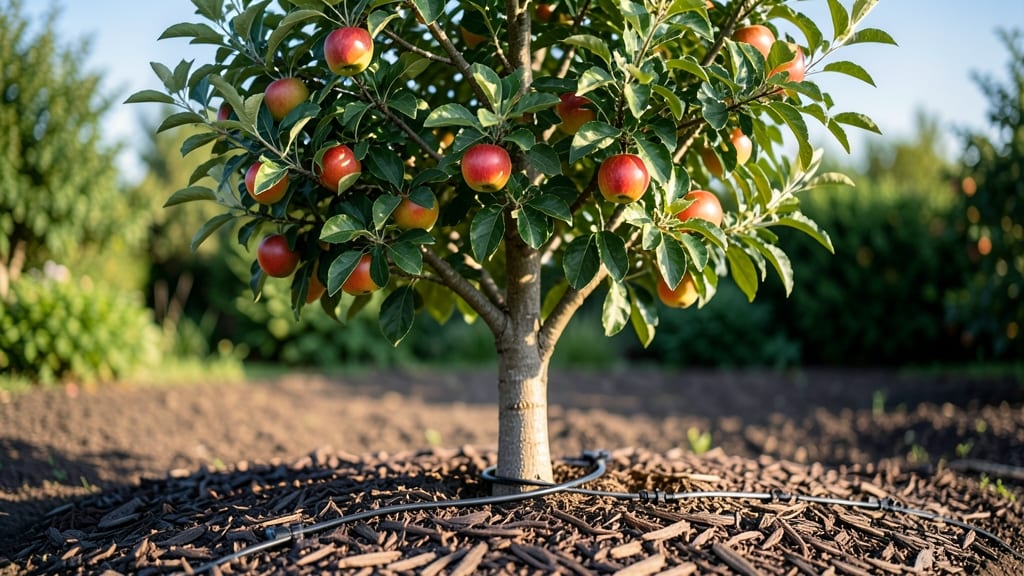
Planting fruit trees in Zone 7a means you can grow peaches, plums, and apples that ripen just as summer peaks—no more waiting for fall to enjoy fresh fruit. 🌱 The secret isn’t just picking the right varieties (like ‘Elberta’ peaches or ‘Stanley’ plums) but understanding how to protect them from late frosts and summer heat.
My first peach tree nearly died from a March freeze, but after adjusting planting location and adding frost cloth, it’s now the star of my yard.
You’ll need well-draining soil with a pH between 6.0 and 7.0, full sun (at least 6-8 hours daily), and consistent moisture—especially during the first two years. The best time to plant is late winter or early spring, when the ground is workable but frosts have passed.
Mulching with wood chips helps retain moisture and keeps roots cool in summer’s heat.
By summer’s end, you’ll be harvesting fruit that tastes sweeter than anything from the store, with trees that live for decades if pruned correctly. The key is thinning fruit early to avoid overloading branches and spraying for pests (like aphids or peach leaf curl) before they take hold.
With the right care, your trees will reward you with harvests for years.
This works for both backyard orchards and small urban spaces—just choose dwarf varieties if room is limited. Let’s get those trees growing strong!
📚 In This Guide
- What you need
- Instructions
- Tips and common mistakes
- Wrapping up and next steps
What you need
- ● Zone 7A-hardy fruit tree varieties: Choose from apple, peach, pear, cherry, plum, fig, or persimmon (bare-root or container-grown). 2–5 trees (for cross-pollination, if needed).
- ● High-quality soil: 50–100 lbs of compost or well-draining potting mix (amend native soil if clay-heavy).
- ● Organic mulch: 3–4 cubic yards of wood chips, straw, or pine bark (retains moisture, suppresses weeds).
- ● Slow-release fertilizer: 10–20 lbs of balanced 10-10-10 or fruit-tree-specific blend (apply in early spring).
- ○ Drip irrigation system: 50–100 ft of soaker hose or micro-sprinklers (automated timers optional but helpful).
- ● Tree supports: 2–4 stakes per tree (4–6 ft tall) + tree ties (for young, flexible branches).
- ● Hand trowel (for planting roots).
- ● Pruning shears (bypass-style, sharp and sanitized).
- ● Shovel & spade (for digging holes 3x wider than root ball).
- ● Wheelbarrow (for moving soil/mulch).
- ● Gloves & safety goggles (protection from thorns/soil).
- ● pH test kit (ideal range: 6.0–7.0 for most fruit trees).
- ● Lime or sulfur (to adjust soil pH if needed).
- ● Frost cloth (for young trees in late spring/early fall).
- ● Bird netting (to protect fruit from pests like starlings).
- ● Soil moisture meter (monitors water needs year-round).
- ● Tree fruit spray (organic copper fungicide or neem oil for disease prevention).
- ● Post-hole digger (for deeper planting in heavy clay).
Step-by-step instructions for planting and caring for Zone 7A fruit trees
Here’s how to plant and nurture fruit trees that thrive in your climate—no guesswork, just science.
🌱 Step 1: Choose the Right Varieties and Plant at the Perfect Time
Zone 7A’s mild winters let you grow apples, peaches, pears, and figs—but pick varieties bred for your region. Avoid late-blooming fruit like cherries; they risk frost damage. Early spring, when soil reaches 50°F and stays there for a week, is ideal. I always check the USDA frost date for my area to time planting perfectly.
Dig a hole twice as wide as the tree’s root ball but only as deep. Loosen the roots slightly if they’re circling—this encourages them to spread outward. Here’s the thing: don’t bury the graft union (the bulge near the base). It should sit 2-3 inches above soil level to prevent rot.
🪴 Step 2: Amend Soil and Plant for Long-Term Health
Mix 3 inches of compost into the bottom of the hole—this improves drainage and feeds roots as they establish. Zone 7A soil can compact easily, so I add a handful of perlite to the backfill mix to keep it loose. Fill the hole halfway, water deeply, then let the soil settle before adding the tree.
Place the tree in the hole, spread roots evenly, and backfill with the amended soil. Tap gently to remove air pockets but don’t pack it down. Water again until the soil is 2 inches deep damp. Mulch with 3 inches of wood chips in a 3-foot diameter ring around the tree, keeping mulch 6 inches away from the trunk to prevent rot.
☀️ Step 3: Water Deeply and Protect Young Trees
Water twice weekly for the first month, then taper to once weekly once leaves appear. Deep watering—1-2 gallons per tree—encourages roots to grow downward. You’ll know you’re doing it right when the soil feels damp 6 inches down after watering. Overwatering here causes root rot, which is a silent killer.
Install a tree guard or fence to shield young trees from deer and rabbits—Zone 7A’s mild winters mean critters stay hungry longer. Prune any broken branches immediately, but wait to shape the tree until spring. Real talk: I’ve lost three young peach trees to deer; don’t skip this step.
✂️ Step 4: Prune and Fertilize for Maximum Fruit Production
Prune in late winter (just before buds swell) to remove dead, crossing, or inward-growing branches. Open the center of the tree to let sunlight and air reach the core. I use sharp pruning shears and sterilize them with rubbing alcohol between cuts to prevent disease spread. Aim to keep the tree’s shape open and vase-like for easy harvesting.
Fertilize in early spring with a balanced 10-10-10 formula, applying ½ pound per inch of trunk diameter. Spread it 6 inches from the trunk and water it in. Avoid high-nitrogen fertilizers—they promote leafy growth at the expense of fruit. Watch for new leaf flush after 4-6 weeks; that’s your signal it’s working.
🌿 Step 5: Monitor for Pests and Seasonal Adjustments
Check for aphids, scale, or borers every 2 weeks in spring and summer. A strong spray of water often dislodges aphids, but for scale, I use neem oil (mix 1 tablespoon per gallon of water). Zone 7A’s humidity loves pests, so don’t wait until you see damage—act at the first sign of trouble.
In fall, apply a 3-inch layer of mulch and water deeply before the first frost. This protects roots from temperature swings. Thin fruit in late spring to 6-8 inches apart—this ensures larger, sweeter fruit. You’ll see fewer but bigger fruits, and the tree’s energy won’t be wasted on too many small ones.
Tips & tricks for perfect Zone 7A fruit trees
Here's what nobody tells you about making your Zone 7A fruit trees thrive—these are the secrets that'll keep them producing for decades.
Soil Temperature Timing: That 50°F soil temperature isn't just a starting point—it's your green light. Use a soil thermometer to confirm this temperature consistently for a week before planting. I've planted too early when soil was still cool, and the roots struggled to establish. The difference between success and failure often comes down to this single, seemingly insignificant check.
Root Ball Preparation: When you remove your tree from the container, gently loosen the root ball if you see circling roots. This encourages outward growth rather than a tangled mass. I learned this the hard way after watching a peach tree's roots circle back on themselves, creating a perfect home for pests. Use your fingers to tease apart any roots that are growing in tight loops—it takes just a few minutes and makes all the difference in long-term health.
Watering Depth Check: The 2 inches deep dampness test after watering is more important than you might think. Stick your finger down to check—if it feels dry at that depth, water again. Zone 7A's mild winters can fool you into thinking trees need less water, but consistent deep watering is what builds strong root systems. I've seen trees wither because they looked "wet enough" at the surface but were actually parched below.
Mulch Placement: That 6-inch gap between mulch and trunk isn't arbitrary—it prevents moisture buildup that causes rot. Use a ruler to measure this distance when applying your 3-inch layer of wood chips. I've had to replace mulch too close to the trunk after seeing dark, mushy spots where rot had set in. Think of it as creating a donut shape around your tree rather than a solid ring.
Pro Tips for Zone 7a Fruit Trees
- Here's what nobody tells you about making your Zone 7A fruit trees thrive—these are the secrets that'll keep them producing for decades.
- Soil Temperature Timing: That 50°F soil temperature isn't just a starting point—it's your green light.
- Root Ball Preparation: When you remove your tree from the container, gently loosen the root ball if you see circling roots.
Frequently asked questions
What are the best fruit trees for Zone 7A climates?
Zone 7A’s mild winters and hot summers suit apple, peach, pear, fig, and plum trees best. Choose low-chill varieties (like ‘Elberta’ peaches or ‘Honeycrisp’ apples) to thrive without winter damage. Dwarf varieties are ideal for small spaces!
When is the best time to plant fruit trees in Zone 7A?
Plant in late fall or early spring (November–March) for optimal root establishment. Avoid extreme heat or frost. Bare-root trees can go in winter, while container-grown trees prefer cooler spring soil. Water deeply after planting!
How do I protect my Zone 7A fruit trees from pests?
Monitor for aphids, borers, and fruit flies. Use neem oil or insecticidal soap for early treatment. Prune regularly to improve airflow, and mulch to deter rodents. Bird netting can save ripe fruit!
Will fruit trees survive Zone 7A winters without extra care?
Most hardy varieties (like ‘Luscious’ apple or ‘Redhaven’ peach) handle Zone 7A winters fine. Still, mulch heavily and water in late fall to prevent root freeze. Young trees may need winter wraps for protection.
Can I grow fruit trees in containers in Zone 7A?
Yes! Dwarf varieties (e.g., ‘Bonanza’ apple) thrive in 5-gallon+ containers with well-draining soil. Use large pots and move them to sunny, sheltered spots in winter. Fertilize monthly during growing season!
Wrapping up and next steps
Growing zone 7a fruit trees is a rewarding journey that blends science, patience, and a touch of green-thumb magic! 🌱 With the right variety—like disease-resistant apples, peaches, or figs—proper soil prep, and smart seasonal care, you’ll enjoy bountiful harvests for years to come.
Remember, consistency is key: from pruning in winter to mulching in summer, each step builds resilience and flavor.
Ready to take the next step? Start by sketching your orchard layout, then order your trees from a trusted nursery. Need inspiration? Check out our recommended zone 7a varieties or join local gardening groups for tips from fellow growers. Your future fruit basket is waiting—let’s get planting! 🍎✨