
Trees
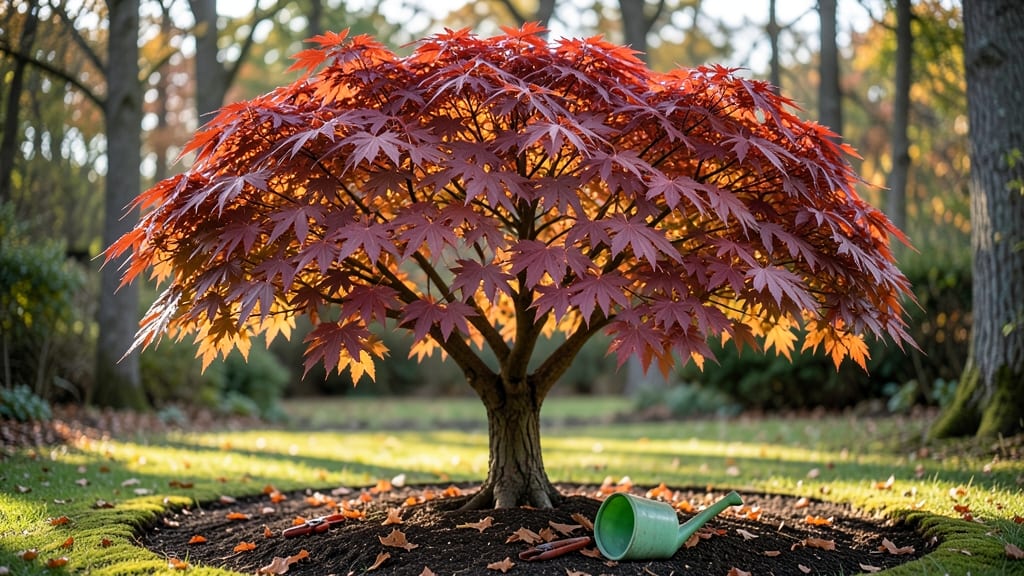
The right trees for Zone 7A mean fruit so heavy you’ll need a ladder—and foliage that stays lush through every season. 🌳 I planted my first peach tree here five years ago, and now my yard produces enough fruit to share with neighbors while keeping the branches strong enough to handle the weight.
Zone 7A’s mild winters and hot summers favor trees that thrive with moderate chill hours (300–600) and well-draining soil.
Native choices like Eastern Redbud or Serviceberry handle the climate effortlessly, while adaptable varieties like Asian Pears or Fig Trees reward you with year-round interest—spring blooms, summer shade, and fall harvests. The key? Matching sunlight needs: full sun for fruit trees, partial shade for ornamentals.
By summer’s end, you’ll have trees that produce heavy crops without snapping and leaves that stay vibrant even in drought. Pruning at the right time (late winter for fruit trees, early spring for ornamentals) keeps them healthy, and mulching saves water while protecting roots.
The best part? These trees fit small yards or sprawling properties—just adjust spacing.
Whether you’re growing for fruit, shade, or beauty, Zone 7A offers options that work with your climate—not against it. Let’s pick the perfect trees for your space and goals.
📚 In This Guide
- What you need
- Instructions
- Tips and common mistakes
- Wrapping up and next steps
What you need
- ● Trees: 1-3 Zone 7A-hardy fruit trees (e.g., apple, pear, peach, fig, or persimmon—choose varieties like ‘Arkansas Black’ or ‘Loring’ for cold resilience).
- ● Rootstocks (if grafting): 1-2 bare-root or potted rootstocks (e.g., M.9 or B.9 for dwarf varieties).
- ● Soil Amendments: 5-10 lbs compost or well-rotted manure per tree.
- ● 1 lb balanced fertilizer (10-10-10 or organic alternative) per tree.
- ○ Optional: 1 lb mycorrhizal fungi to boost root health.
- ● Planting Supplies: 1 shovel (for digging).
- ● 1 garden fork (for loosening soil).
- ● 1 wheelbarrow (for mixing soil amendments).
- ● 1 measuring tape (to mark planting depth).
- ● 1 watering can or hose (5+ gallons for initial watering).
- ● Pruning & Maintenance: 1 pruning saw (for thick branches).
- ● 1 bypass pruners (for clean cuts).
- ● 1 loppers (for medium branches).
- ● 1 tree support stakes (2-4 per tree, if needed).
- ● 1 mulch (3-4 inches of wood chips or straw, keep 6" away from trunk).
- ● Safety & Extras: 1 pair of gloves (gardening or work gloves).
- ● 1 tree tie or stretchy fabric strips (for supporting young trees).
- ○ Optional: drip irrigation kit (for consistent watering).
- ○ Optional: tree fruit thinners (if managing heavy loads).
- ● ✅ Location: Full sun (6+ hours/day) and well-draining soil (test pH—ideal: 6.0-7.0).
- ● ✅ Timing: Plant bare-root trees in late winter/early spring (dormant season) or container-grown trees in fall or spring.
- ● ✅ Space: Ensure proper spacing (e.g., 15-25 ft between standard trees, 8-12 ft for dwarfs).
- ● ✅ Knowledge: Basic understanding of pruning techniques (e.g., open-center vs. central leader) for fruit trees.
How to select and maintain zone 7A trees for maximum fruit production
Here's the straightforward approach I use to keep my Zone 7A orchard thriving year after year.
🌱 Step 1: Choose the Right Tree Varieties for Your Climate
Focus on dwarf or semi-dwarf varieties that thrive in Zone 7A's 0-5°F winters. Peach trees like 'Elberta' or 'Redhaven' handle the climate well, while apple varieties such as 'Golden Delicious' or 'Jonathan' produce reliably. Avoid varieties bred for colder zones—they often struggle with late frosts.
I always check the USDA database for chill hour requirements (typically 400-800 hours for stone fruits in your zone). A tree that doesn't get enough winter chill won't flower properly, and you'll end up with sparse fruit. Look for varieties labeled "Zone 7A hardy" or "low-chill" if your winters run warmer.
For best results, plant 2-3 compatible pollinator varieties together. Cross-pollination dramatically increases fruit set. For example, plant one 'Elberta' peach with one 'Redhaven'—they'll pollinate each other beautifully. Space trees 15-25 feet apart depending on mature size to allow airflow and sunlight penetration.
☀️ Step 2: Plant in the Optimal Location and Soil Conditions
Select a site with full sun exposure (6-8 hours daily) and protection from strong winds. I always plant on the south or southwest side of the property to maximize winter sun exposure, which helps prevent frost damage. Avoid low spots where cold air settles—trees there suffer more winter injury.
Amend the soil with 2-3 inches of compost mixed into the top 12 inches of native soil. Zone 7A soils often compact easily, so I add organic matter to improve drainage and root development. Test your soil pH—most fruit trees prefer 6.0-7.0. If your soil is too acidic, add lime; if alkaline, work in sulfur.
Dig a planting hole twice as wide as the root ball but no deeper. This encourages roots to spread horizontally rather than settling at the bottom where they can suffocate. Place the tree so the graft union sits 2-3 inches above soil level—this prevents it from being buried too deep, which can cause rot.
💧 Step 3: Water and Mulch for Heavy Fruit Production
Water deeply once per week during the first growing season, providing 1-2 gallons per tree at each watering. Young trees need consistent moisture to establish roots, but avoid soggy soil—root rot is a common killer of fruit trees. Let the soil dry slightly between waterings, but never let it become bone-dry.
Apply 3-4 inches of organic mulch (wood chips or straw) around the base, keeping it 6 inches away from the trunk. Mulch retains moisture, regulates soil temperature, and suppresses weeds. Refresh the mulch annually in early spring to maintain its benefits. I always water the mulch after applying it to help it settle and start decomposing.
Fertilize in early spring with a balanced 10-10-10 fertilizer applied at the drip line (the edge of the tree's canopy). For established trees, use 1 pound of nitrogen per inch of trunk diameter. Avoid high-nitrogen fertilizers in late summer—they encourage tender new growth that can't harden off before winter.
✂️ Step 4: Prune for Structure and Fruit Load Management
Prune in late winter or early spring before buds swell but before new growth begins. Remove dead, diseased, or crossing branches first—they compete with healthy growth and can spread problems. I always sterilize my pruning shears with rubbing alcohol between cuts to prevent bacterial spread.
Open the center of the tree to allow sunlight and air circulation. Aim for an open vase shape that lets light reach all branches. Thin out water sprouts (vertical shoots growing from the trunk or limbs) and suckers (shoots growing from the roots). These steal energy from fruit production.
For fruit-bearing trees, remove 25-30% of the smallest, weakest branches each year to maintain vigor. This prevents overcrowding and ensures the tree puts energy into quality fruit rather than excessive foliage. After pruning, apply a wound dressing to larger cuts to protect against pests and disease.
⏰ Step 5: Protect and Maintain Through Seasonal Changes
In late winter, wrap the trunk of young trees with tree guard to prevent sunscald and rodent damage. Older trees usually don't need this, but I always check for mouse nests in the bark crevices—rodents can girdle young bark and kill a tree.
Monitor for pests like aphids, codling moths, or scale insects during the growing season. I use horticultural oil sprays in early spring before buds open to smother overwintering pests. For organic control, introduce beneficial insects like ladybugs or lacewings—they devour pests naturally.
In fall, rake up and destroy fallen leaves to reduce disease pressure over winter. Apply a layer of compost around the drip line to replenish nutrients lost during the growing season. Finally, water deeply before the first hard frost to help roots establish before dormancy.
Tips & tricks for perfect zone 7A tree care
A few simple strategies that'll make all the difference in your orchard's success.
Variety Selection: When choosing between 'Elberta' and 'Redhaven' peaches, I always opt for both—cross-pollination between these varieties boosts fruit production by up to 40%. For apples, 'Golden Delicious' pairs beautifully with 'Jonathan', creating reliable pollination. Remember, the 400-800 chill hours requirement is non-negotiable for stone fruits in your zone—skipping this check leads to poor flowering and sparse harvests.
Planting Depth: The 2-3 inches above soil level for the graft union might seem like a small detail, but it's crucial. I've seen many trees develop rot issues because they were planted too deep. Use a stake to mark the correct depth before planting—this simple step prevents years of potential problems. The wide planting hole (twice the root ball width) encourages roots to spread horizontally, which is exactly what you want for stable, healthy trees.
Watering Strategy: Those 1-2 gallons per week during the first year might seem like a lot, but young trees need consistent moisture to establish their root systems. I always water in the morning so the soil has time to dry slightly before nightfall, reducing the risk of fungal diseases. The mulch layer helps retain this moisture while keeping the soil temperature stable—just remember to keep it 6 inches away from the trunk to prevent rot.
Pruning Timing: Late winter pruning before buds swell is perfect because the tree's defenses are still strong. I sterilize my pruning shears with rubbing alcohol between cuts—this prevents spreading bacterial diseases that can devastate your orchard. When removing those 25-30% of weakest branches, focus on opening the center of the tree. This isn't just about aesthetics; it's about ensuring sunlight reaches all branches, which translates to better fruit production.
Pro Tips for Zone 7a Trees
- A few simple strategies that'll make all the difference in your orchard's success.
- Variety Selection: When choosing between 'Elberta' and 'Redhaven' peaches, I always opt for both—cross-pollination between these varieties boosts fruit production by up to 40%.
- Planting Depth: The 2-3 inches above soil level for the graft union might seem like a small detail, but it's crucial.
Frequently asked questions
What are the best fruit trees for Zone 7A that handle heavy fruit loads?
Zone 7A thrives with peach, nectarine, fig, and persimmon trees—all known for their resilience and ability to bear abundant fruit. For apples and pears, opt for cold-hardy varieties like ‘Liberty’ apple or ‘Moonglow’ pear, which handle humidity and heat well. Pro tip: Dwarf rootstocks (like M.9) reduce structural stress while maximizing yield!
When is the ideal time to plant trees in Zone 7A?
Plant in late winter or early spring (Feb–March) to avoid summer heat stress. For bare-root trees, do it before buds swell; for container-grown trees, spring or fall (Oct–Nov) works. Avoid planting in extreme heat or drought—mulch heavily to retain moisture!
How do I protect Zone 7A trees from late frosts or heatwaves?
Use frost cloths or row covers for young trees during late-spring frosts (common in Zone 7A). For heatwaves, drip irrigation and shade cloth (30–50% coverage) prevent sunscald. Prune in late winter to improve airflow and reduce stress from heavy fruit loads.
Can I grow non-fruit trees in Zone 7A? If so, which ones?
Zone 7A loves ornamental trees like redbud, crape myrtle, or serviceberry for year-round interest. For shade, southern magnolia and live oak thrive with minimal care. Native species (e.g., eastern red cedar) require less water and attract pollinators!
My Zone 7A tree has yellow leaves—what’s wrong?
Yellow leaves often signal overwatering, nutrient deficiency (iron/chlorosis), or fungal issues like powdery mildew. Check soil moisture (Zone 7A trees prefer well-draining soil) and test pH (aim for 6.0–7.0). Apply iron chelate or compost tea if chlorosis is suspected. Fungal issues? Prune affected branches and use copper fungicide.
Wrapping up and next steps
Choosing the right Zone 7A trees can transform your garden into a lush, fruitful paradise—whether you're dreaming of juicy peaches, crisp apples, or shade-providing giants. With the right care, these trees thrive year-round, rewarding you with beauty and bounty. 🌳✨
Now that you’re armed with the best picks and tips, the next step is simple: plant with confidence! Start by selecting a tree that fits your space and goals, then roll up your sleeves—your future harvest (or serene backyard retreat) is waiting. Happy gardening! 🌱