
Size
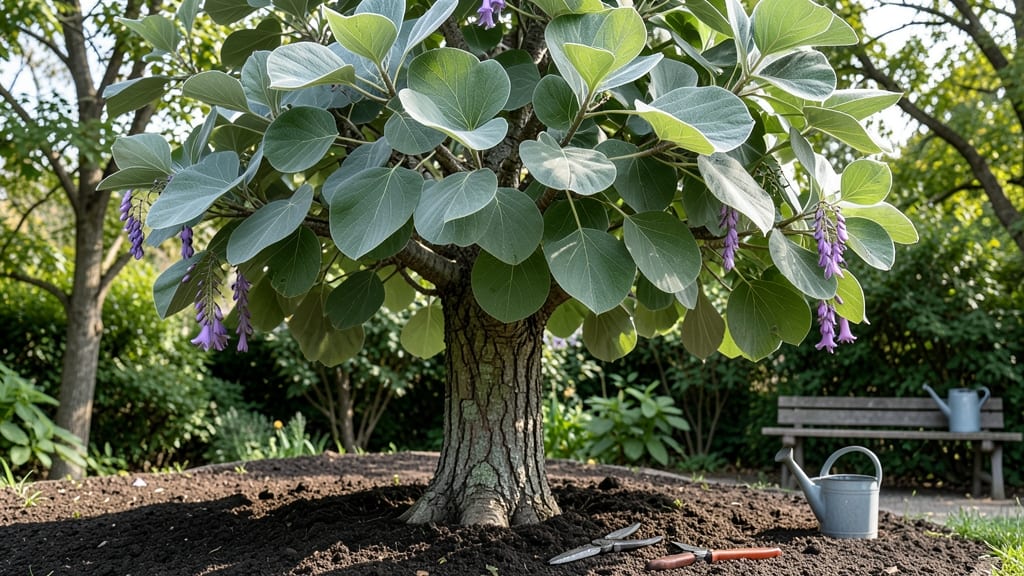
The right 30-foot-tall trees can turn a backyard into a grand forest retreat—just look at how my neighbor’s tulip poplar now frames their patio with shade and drama. These giants aren’t just for big estates; even smaller lots can handle them with the right spacing and species.
The key is matching the tree’s growth rate to your timeline—some, like silver maples, shoot up 3-4 feet per year, while others, like eastern redbuds, take their time but reward you with stunning spring blooms.
For privacy, nothing beats a leucothoe or arborvitae—both grow tall and dense, blocking nosy neighbors while filtering light just enough for dappled shade below. Need shade? Shagbark hickories or sugar maples deliver year-round cover, their leaves turning fiery in fall.
And if you want a focal point, a dawn redwood (yes, it’s a tree!) adds prehistoric drama with feathery foliage that sways in the breeze.
Planting one of these beauties means instant curb appeal, but it’s the long-term payoff that really sells me: less lawn to mow, more wildlife visits, and that canopy effect where your garden feels like a secret grove.
Just give them room—20-30 feet from structures—and watch your landscape transform from ordinary to extraordinary over a decade.
Whether you’re going for privacy, shade, or sheer wow factor, these trees deliver. The trick is picking the right one for your climate and soil—so let’s dive into the best options for your space.
📚 In This Guide
- What you need
- Instructions
- Tips and common mistakes
- Wrapping up and next steps
What you need
- ● Tree: A 30-foot mature height species like Sequoia sempervirens (coast redwood), Quercus robur (English oak), or Paulownia tomentosa (empress tree). Ensure it’s container-grown (5–10 gallons) or a bare-root sapling for transplanting.
- ● Planting Hole: Width: 3x the root ball diameter (minimum 3–4 feet wide).
- ● Depth: 2x the root ball depth (or until the top of the root ball sits 2–3 inches above ground level).
- ● Soil Amendments: Compost (2–3 cubic yards) for nutrient-rich soil.
- ● Native topsoil (4–5 cubic yards) to blend with amendments.
- ● Mycorrhizal fungi (1–2 lbs) to boost root health.
- ● Support System: 3–4 wooden stakes (8–10 ft tall, 2x4 inches).
- ● Tree ties or soft straps (10–15 pieces, 2–3 inches wide).
- ● Watering Supplies: Drip irrigation kit or soaker hose (50–100 ft length).
- ● Water storage tank (50–100 gallons) or direct hose access.
- ● Mulch: 6–8 cubic yards of wood chips or bark mulch (keep 6 inches away from the trunk).
- ● Root stimulator (e.g., Mycorrhizal inoculant) to speed up establishment.
- ● Tree guard or wire basket to protect from animals.
- ● Soil pH test kit to adjust acidity/alkalinity if needed.
- ● Fertilizer (slow-release, balanced NPK 10-10-10) for the first year.
- ● Pruning tools: Loppers (for branches up to 2 inches thick) and a pruning saw for thicker limbs.
Step-by-step guide for planting and cultivating towering trees
Here’s how to establish majestic trees that will transform your landscape over decades.
Select and Prepare the Planting Site
Choose a location with at least 20 feet of clearance on all sides for mature growth, avoiding overhead power lines or structures. Test the soil pH—most towering species thrive in slightly acidic to neutral soil (6.0-7.0). If your soil is compacted, amend it with 3-4 inches of compost mixed into the top 12 inches of soil to improve drainage and root establishment.
Dig a hole twice as wide as the root ball but no deeper than the container’s depth. Loosen the sides of the hole with a shovel to encourage root spread. Avoid disturbing the root ball itself—gently tease apart any circling roots with your fingers if they’re tightly bound. This prevents girdling as the tree matures.
Plant with Precision for Long-Term Stability
Position the tree so the top of the root ball sits 1-2 inches above ground level. This prevents soil from settling and smothering the trunk over time. Backfill the hole with the native soil you removed, tamping lightly every 6 inches to eliminate air pockets. Water deeply as you fill to help settle the soil and eliminate gaps.
Create a watering basin by mounding soil around the perimeter of the hole to direct water toward the roots. Mulch the area with 2-3 inches of organic mulch (like wood chips), keeping it 6 inches away from the trunk to prevent rot. Mulch retains moisture and regulates soil temperature, which is critical for young trees struggling to establish deep roots.
Establish a Watering and Fertilization Routine
Water the tree deeply 2-3 times per week for the first growing season, ensuring the soil is moist 12 inches down. Use a soaker hose or drip irrigation to deliver water slowly at the base—avoid overhead sprinklers, which can spread disease. Check moisture by inserting a screwdriver into the soil; if it resists, water again. Over time, reduce frequency as the tree develops a deeper root system.
Apply a balanced, slow-release fertilizer (10-10-10 ratio) in early spring and again in mid-summer. Follow the package instructions for dosage, but reduce by half if the tree is in its first year. Fertilizer encourages top growth, but too much can stress young roots. Pair fertilization with a 3-inch layer of compost spread over the root zone annually to improve soil structure and microbial activity.
Prune and Support for Structural Integrity
Prune only to remove dead, diseased, or crossing branches in the first year. Use clean, sharp pruners to make cuts just outside the branch collar—the swollen area where the branch meets the trunk. Avoid heavy pruning, which can stress the tree and reduce its ability to establish. Focus on shaping the canopy only after the tree has been in the ground for 2-3 years.
Stake the tree only if necessary—most towering species have strong root systems that anchor them naturally. If staking is required, use two stakes positioned diagonally from the trunk and tie the tree loosely with soft fabric strips to allow trunk movement. Remove stakes after 12 months to prevent girdling from the ties. Monitor the tree’s growth direction and adjust pruning or support as needed to encourage upright, balanced development.
Monitor and Adapt for Long-Term Health
Inspect the tree annually for signs of pest infestations, fungal diseases, or structural weaknesses. Common issues like aphids or powdery mildew can be treated early with neem oil or horticultural soap, but prevention—like proper spacing and airflow—is key. If you notice yellowing leaves or stunted growth, test the soil again for nutrient deficiencies or pH imbalances and adjust accordingly.
As the tree matures, expand the mulch ring to 3 feet in diameter and maintain it at 2-3 inches deep. Avoid piling mulch against the trunk, as this can trap moisture and promote rot. By the time the tree reaches 10 feet tall, it should require minimal intervention beyond regular watering during droughts and occasional pruning to remove hazardous branches. With patience and care, your towering tree will become a lasting centerpiece for generations.
Tips & tricks for perfect towering trees
These insights will help you avoid common pitfalls and ensure your towering trees grow strong for decades.
Soil Preparation: When amending compacted soil with 3-4 inches of compost, mix it thoroughly into the top 12 inches—not just the surface. This creates an ideal rooting environment where moisture and nutrients can penetrate deeply. I've seen trees struggle when compost sits in a thin layer; the roots need consistent access to enriched soil throughout their growing zone.
Root Ball Handling: The key to preventing girdling is gently teasing apart any circling roots you find in the root ball. Use your fingers to separate them naturally rather than cutting with pruners. This mimics how roots would grow in nature and gives your tree the best chance to establish a strong, stable foundation. Remember, the goal is to encourage outward growth, not create tension around the trunk.
Watering Technique: For the critical first growing season, focus on deep watering that reaches 12 inches down—not just surface moisture. The screwdriver test is your best friend here: if it resists when pushed into the soil, you need to water again. I've learned this the hard way—shallow watering leads to weak root systems that can't support towering growth over time.
Mulch Placement: Maintain that 6-inch gap between mulch and trunk at all times, even as your tree grows. I've seen many gardeners forget this rule as the mulch ring expands, leading to trunk rot. The mulch should form a donut shape around the tree, not touch the bark. This simple detail makes all the difference in preventing moisture-related diseases that could compromise your tree's health.
Pro Tips for 30 Ft Tall Trees
- These insights will help you avoid common pitfalls and ensure your towering trees grow strong for decades.
- Soil Preparation: When amending compacted soil with 3-4 inches of compost, mix it thoroughly into the top 12 inches—not just the surface.
- Root Ball Handling: The key to preventing girdling is gently teasing apart any circling roots you find in the root ball.
Frequently asked questions
Got questions about towering 30-foot-tall trees? You’re not alone! Whether you’re dreaming of a lush skyline or troubleshooting growth, here’s what you need to know:
What types of trees can realistically reach 30 feet in height?
Fast-growing species like Paulownia tomentosa (Empress Tree), Populus deltoides (Eastern Cottonwood), or Thuja occidentalis (Arborvitae) can hit 30 feet in 5–10 years with ideal conditions. Evergreens like Picea glauca (White Spruce) also thrive but grow slower. Always check your climate zone—some trees need USDA Zone 5+ for full potential!
How long does it take for a 30-foot tree to mature?
Timing varies! Deciduous trees like Tilia cordata (Littleleaf Linden) may take 10–15 years, while Salix babylonica (Weeping Willow) can surge to 30 feet in just 3–5 years. Evergreens like Pseudotsuga menziesii (Douglas Fir) take 15–20 years. Pro tip: Choose fast-growing varieties if you’re impatient—just be ready for pruning!
Are 30-foot trees expensive to plant and maintain?
Costs add up! A 5-gallon sapling may run $50–$150, while a 15-foot balled-and-burlapped (B&B) tree can cost $300–$800+. Maintenance includes annual pruning ($100–$300/year), mulching, and pest control. Save money: Start with smaller trees and transplant them—just ensure they’re root-bound!
Can I plant a 30-foot tree in a small yard or urban area?
but plan ahead! Opt for narrow-canopy trees like Cercis canadensis (Eastern Redbud) or Fagus sylvatica (European Beech). Avoid aggressive rooters (e.g., Willows) near sidewalks or foundations. Urban hack: Use container-grown trees for balconies—just ensure they get 6+ hours of sunlight!
What if my 30-foot tree isn’t growing as expected?
Troubleshoot with these fixes:
Poor soil? Test pH (ideal: 6.0–7.5) and amend with compost.
Not enough water? Deep-water 1–2x/week in dry spells.
Pests/disease? Check for aphids, borers, or fungal spots—treat with neem oil or fungicide.
Wrong location? Move it to full sun/partial shade based on species needs.
Last resort: Consult an arborist for a health check!Wrapping up and next steps
Growing 30-foot-tall trees in your garden isn’t just about adding height—it’s about crafting a statement that elevates your outdoor space into a breathtaking canopy. Whether you’re drawn to towering oaks, elegant maples, or dramatic redwoods, the key lies in patience, proper care, and a touch of vision.
Your future shady retreat is within reach—start small, dream big, and watch your garden grow!
🌱 Next step: Pick your favorite towering tree, sketch its future spot, and begin prepping the soil today. The sky’s the limit—literally! 🌳