
Trees
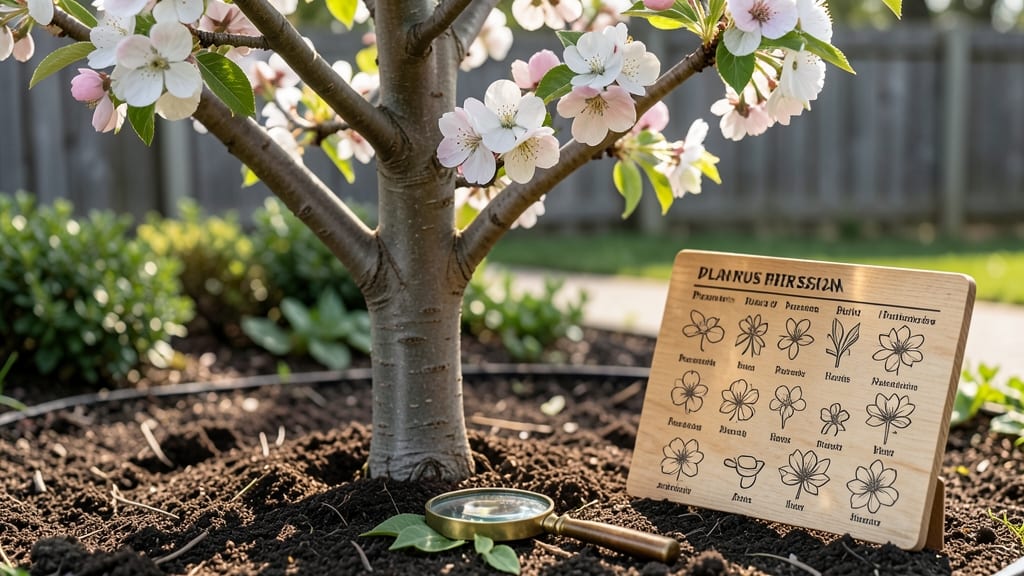
Identifying fruit trees by their flowers saves you from guessing—and my first mistake was assuming all white blossoms meant apple. 🌸 Those delicate petals hold the secrets to what will grow on your tree, from the rosy-pink pomes of a flowering crab to the fragrant clusters of a peach.
The shape, color, and scent of flowers reveal whether you're dealing with an apple, pear, cherry, or something entirely different before a single fruit appears.
Start with the basics: flower shape tells you the family. Apple and pear trees have five-petaled blossoms, while citrus trees burst with 4-inch-wide white or pink blooms that smell like spring in a bottle. Peach and plum flowers dangle in clusters, their petals often tinged with blush or deep pink.
I learned the hard way that ignoring these details leads to confusion—especially when a neighbor's "apple tree" turns out to be a crabapple with no edible fruit.
Once you master the visual cues, you'll spot blooms in early spring and know exactly what's coming: tart green apples, juicy peaches, or clusters of grapes. This knowledge helps you prune correctly, fertilize appropriately, and even predict harvest times.
No more guessing whether that tree is a fig or a mulberry—just a quick look at the flowers tells the story.
Regional variations add another layer. Citrus trees bloom year-round in warm climates but only in spring in cooler zones. Meanwhile, cherry trees might flower earlier in the South than in the North.
Keep a notebook or snap photos of your trees' blossoms to build a personal reference guide—your garden's future harvests depend on it.
📚 In This Guide
- What you need
- Instructions
- Tips and common mistakes
- Wrapping up and next steps
What you need
- ● Field Guide or Smartphone: A printed guidebook (e.g., National Audubon Society Field Guide to North American Trees) or
- ● A smartphone with a reliable app like PictureThis, LeafSnap, or iNaturalist (free/paid options available).
- ○ Magnifying Glass (3x–10x): For inspecting tiny details like petal texture, stamen length, or leaf arrangement. Optional but handy!
- ● Notebook & Pen: To sketch flower shapes, note colors, and jot down observations (e.g., "5 white petals, clustered blooms, sweet fragrance").
- ● Camera (Smartphone or DSLR): Capture close-ups of flowers, leaves, and bark. Pro tip: Use natural light and include a reference object (like a coin) for scale! 📸
- ● Pruning Shears (Small, 4–6 inch): For safely collecting fallen petals or small samples (if permitted). Sterilize with rubbing alcohol afterward.
- ● Ruler or Measuring Tape: To record flower/leaf sizes (e.g., "petals 1.5 inches wide").
- ● Gloves (Nitrile or Latex): Protects hands when handling thorns or unknown plants.
- ● Portable UV Light (Blacklight): Reveals hidden patterns in petals (e.g., apple blossoms fluoresce!).
- ● Field Pressing Kit: Includes a plant press and silica gel for preserving samples (for advanced ID).
- ● Local Flora Database: Check your state’s extension service website for region-specific guides.
Step-by-Step guide to identifying fruit trees by their flowers
Here's how to recognize blossoms and match them to the right tree.
🌿 Step 1: Observe Flower Shape and Arrangement
Start by noting how the flowers grow on the branches. Apple and pear trees have flowers that grow in clusters of 4-6, while cherry blossoms appear in drooping racemes. Peach and plum flowers grow singly or in small groups of 2-3 along the branches. Look for these groupings first—they’re the quickest way to narrow it down.
Pay attention to whether the blossoms face upward or downward. Apple and crabapple flowers typically face upward, while cherry blossoms hang downward. This simple visual cue can cut your guesswork in half. If you see a tree with flowers that look like they’re bowing their heads, it’s likely a cherry variety.
🌸 Step 2: Examine Petal Color and Number
Most fruit tree flowers have 5 petals, but some varieties stand out. Apple and pear blossoms are usually white or pale pink, while cherry blossoms can range from deep pink to white. Peach and plum flowers often have a slightly fuzzy texture and may appear in shades of pink or white with a yellow center.
Here’s the thing—some trees have double blooms (like certain crabapple varieties), where the flowers have extra petals and look fuller. Single blooms are more common in standard fruit trees. If the flowers look like they’ve been edited to have more layers, it’s a strong hint you’re dealing with a cultivated variety.
☀️ Step 3: Check for Leaf and Bud Development
While the flowers are in bloom, look at the leaves and buds nearby. Apple and pear trees often have buds that look like tiny green horns near the flowers. Cherry trees, on the other hand, have small, pointed buds that are easier to miss. This is where patience pays off—wait until the flowers fade slightly to spot these details.
If you see new leaves emerging alongside the flowers, it’s likely a tree that blooms early in the season, like peach or plum. Late-blooming trees, such as apples, might still have bare branches or just a few leaves when their flowers appear. This timing clue helps confirm your guess.
🌱 Step 4: Note the Tree’s Overall Size and Trunk
Taller trees with thick, rough bark and a rounded canopy are often apple or pear varieties. Cherry trees tend to have smoother bark and a more upright growth habit. If the tree is small with a dense, bushy shape, it could be a dwarf fruit tree or a crabapple.
Don’t skip this step—tree size and bark texture can be game-changers. For example, a peach tree’s bark often has horizontal lenticels (those tiny raised dots), while a plum tree’s bark might look slightly scaly. These details might seem small, but they’re often the final piece of the puzzle.
⏰ Step 5: Time the Bloom Season
When the flowers appear can tell you a lot. Apple and pear trees bloom early spring, often before the leaves fully emerge. Cherry blossoms also bloom early but may last longer, creating those iconic pink canopies. Peach and plum trees tend to bloom a little later, often when the leaves are already starting to fill out.
Real talk: If you’re identifying in late spring, you might miss early bloomers like apples. Keep a garden journal or take photos of the flowers alongside notes on the date and location. Over time, you’ll start recognizing patterns and even predicting which trees will bloom next.
Tips & tricks for identifying fruit trees by their flowers
Here's what nobody tells you about nailing fruit tree identification—these details separate the guesswork from the certainty.
Focus on Flower Clusters: In Step 1, the flower arrangement is your first clue. Apple and pear trees have those distinctive 4-6 flower clusters—think of them as nature's way of grouping their blossoms. Cherry blossoms, on the other hand, dangle like elegant chandeliers in drooping racemes. This simple observation cuts your identification time in half.
Petal Count and Texture Matter: Most fruit tree flowers have 5 petals, but pay attention to texture in Step 2. Peach and plum blossoms often have that signature fuzzy texture that sets them apart. And here's the thing—double blooms (like those showy crabapple varieties) have extra petals that make them look like they've been professionally edited. This visual difference is your secret weapon for cultivated varieties.
Bud Shape Reveals the Tree: In Step 3, those tiny buds near the flowers are often overlooked. Apple and pear trees have buds that look like miniature green horns, while cherry trees have small, pointed buds that are easier to miss. This is where patience pays off—wait until the flowers fade slightly to spot these details. Trust me, this one small observation can solve half your identification puzzles.
Bark Texture is the Final Piece: Don't skip Step 4—tree size and bark texture can be game-changers. Peach trees have those distinctive horizontal lenticels (tiny raised dots) on their bark, while plum trees often have slightly scaly bark. These details might seem small, but they're often the final piece that confirms your identification.
Pro Tips for Identifying Fruit Trees By Flowers
- Here's what nobody tells you about nailing fruit tree identification—these details separate the guesswork from the certainty.
- Focus on Flower Clusters: In Step 1, the flower arrangement is your first clue.
- Petal Count and Texture Matter: Most fruit tree flowers have 5 petals, but pay attention to texture in Step 2.
Frequently asked questions
Got questions about spotting fruit trees by their blooms? Here are some of the most common ones—and their answers—to help you become a pro at identification!
Why do some fruit trees have similar-looking flowers?
Many fruit trees belong to the same botanical families (like Rosaceae), so their flowers share traits like five petals or clustered blooms. However, subtle differences—such as petal shape, color intensity, or bloom timing—can help distinguish them. For example, apple and crabapple flowers both have five white petals, but crabapples often have pinkish centers and grow in flatter clusters.
What’s the best time of year to identify fruit trees by flowers?
Spring is peak season! Most fruit trees bloom between March and May, depending on your climate. Early bloomers like peach and cherry trees appear first, followed by apple and pear varieties. If you miss spring, check for buds forming in late winter—they’ll give you a hint about what’s coming.
Can I identify a fruit tree if it’s not in bloom?
Combine flower clues with other features:
- Leaves: Shape, size, and arrangement (e.g., fig leaves are lobed, while citrus leaves are glossy and oval).
- Fruit: Even if it’s not ripe, look for size, color, or texture (e.g., plums vs. cherries).
- Bark or thorns: Hawthorn trees have thorns, while persimmon bark is uniquely scaly.
Use a field guide or app to cross-reference these traits.
What if my tree’s flowers don’t match any of the common varieties?
It might be a less common cultivar, hybrid, or even a non-fruit-bearing tree (like ornamental ornamental cherry or dogwood). Try these steps:
- Take clear photos of flowers, leaves, and fruit (if any) for comparison.
- Check local extension service databases or gardening forums for regional varieties.
- Consider pollination needs: Some trees (like almonds) require cross-pollination and may have unique blooms.
If all else fails, a local arborist can help!
How can I take good photos to identify my tree?
For accurate ID, capture these details:
- Close-ups: Focus on flower structure, petal edges, and stamens (use natural light!).
- Full tree view: Show the shape, height, and branching pattern.
- Leaf and fruit samples: Include undersides of leaves (some have unique textures) and any existing fruit.
Use your phone’s macro mode or a 10x magnifying lens for tiny details. Apps like iNaturalist or PictureThis can analyze your photos for IDs!
Wrapping up and next steps
Mastering the art of identifying fruit trees by flowers turns every spring stroll into a rewarding adventure! 🌸 With just a few key traits—like petal shape, color, and fragrance—you can unlock the secrets of your local orchard or garden.
Whether you’re a curious gardener or an aspiring arborist, this visual guide gives you the confidence to spot apple blossoms from peach blooms in no time.
Now that you’re equipped with the know-how, why not put your skills to the test? Grab a notebook, head outdoors, and snap photos of the blooms you encounter. Over time, you’ll build an even sharper eye—and maybe even discover a hidden gem in your neighborhood! 🌳✨